KGMU Trauma Critical Care Unit Saves Seven-Year-Old Boy in 22-Day Battle Against Guillain-Barré Syndrome
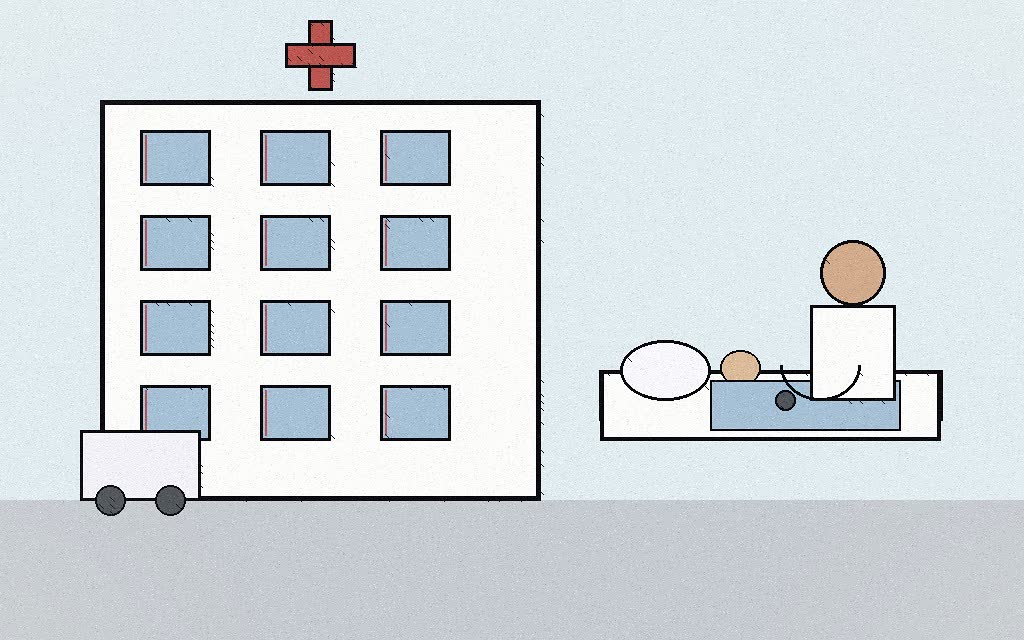
Operating inside the KGMU Trauma Critical Care Unit, medical professionals recently achieved a remarkable clinical breakthrough by saving a young life against heavy odds. A seven-year-old boy from Prayagraj has walked out of King George’s Medical University after spending 22 harrowing days battling Guillain-Barré syndrome, severe pneumonia, and septic shock. Discharged on September 14, the young patient owes his survival to rapid intervention when standard paediatric intensive care beds were completely full.
Referred to Lucknow in critical condition, the child faced an exceptionally bleak medical outlook. The local Paediatric Intensive Care Unit had no vacancies available for urgent admission. Recognizing the life-threatening delay, Trauma CMS Dr Prem Raj Singh intervened directly, arranging an immediate transfer to the trauma facility where ventilatory support began without delay.
Navigating Critical Gaps in Paediatric Care Across Uttar Pradesh
For families across Uttar Pradesh, tertiary referral hospitals in Lucknow remain the ultimate safety net when local district facilities fall short of required expertise. However, persistent bed crunches in specialized wards routinely force state-run hospitals to adapt under immense pressure. This particular case underscores how institutional flexibility can mean the difference between life and death. While patients often encounter administrative hurdles in large institutions, swift administrative clearance prevented a family tragedy.
Medical infrastructure in the state capital faces intense daily scrutiny regarding proper resource allocation. Past local reporting has highlighted systemic strains, such as when KGMU medicine shortage forces patients to private stores despite subsidised network. Despite these logistical hurdles, the sheer dedication of critical care physicians remains a reliable pillar for families traveling hundreds of kilometers from neighboring districts like Prayagraj.
Understanding Guillain-Barré Syndrome and Pediatric Emergencies
Guillain-Barré syndrome is a rare, serious neurological disorder where the human immune system mistakenly attacks peripheral nerves connecting the brain and spinal cord to the rest of the body. When combined with severe pneumonia and septic shock, the physiological toll on a growing child’s body is catastrophic. Managing such a complex case requires coordinated teamwork across neurology, pulmonology, and critical care departments.
Families navigating long-term medical emergencies in Lucknow often encounter multifaceted civic challenges. Whether dealing with high-profile incidents like the Ayodhya firing case intensifies in Lucknow as victim’s mother dies at KGMU or seeking specialized care for acute neurological traumas, our city’s hospitals absorb the heaviest patient caseloads in the region. Meanwhile, broader discussions regarding municipal readiness continue across the state. Public safety conversations touch upon everything from municipal infrastructure gaps seen when Lucknow structural audits reveal severe municipal gaps after tragedies to urban transit dangers highlighted after Lucknow student killed in Nakkhas flyover crash after brake failure.
Daily urban life in the state capital brings its own logistical headaches for visiting families. Commuters frequently grapple with traffic disruptions, whether navigating roadblocks or dealing with noise pollution enforcement like the Lucknow traffic police weighing crushing response to loud bike silencers after seizing 510 in 10 days. Seasonal weather shifts also impact city health infrastructure, particularly during periods of intense downpours when Lucknow monsoon rain erases seasonal deficit after September deluge, bringing vector-borne disease risks that further strain hospital wards.
Key Case Milestones
- Patient Condition: Critical multi-organ failure and severe neurological compromise upon arrival.
- Length of Stay: 22 days of continuous ventilator and intensive care support in the trauma ward.
- Outcome: Successful recovery and discharge on September 14, enabling the child to return home to Prayagraj.
Why It Matters for Lucknow Residents
This successful discharge stands as a powerful testament to the resilience of specialized medical teams operating under extreme pressure in state institutions. For residents of Lucknow and the wider UP diaspora tracking regional health developments, it illustrates both the fragility of paediatric bed availability and the exceptional clinical capabilities of state medical institutions when protocols function seamlessly.
Quick action and inter-departmental cooperation at major tertiary centers can successfully reverse seemingly hopeless medical emergencies for children from across Uttar Pradesh, proving that public healthcare facilities remain essential lifelines for the region.