Lucknow Firecracker Injuries Surge to 612 as ERs Overwhelm Emergency Wards
Emergency Wards Flooded Across Lucknow
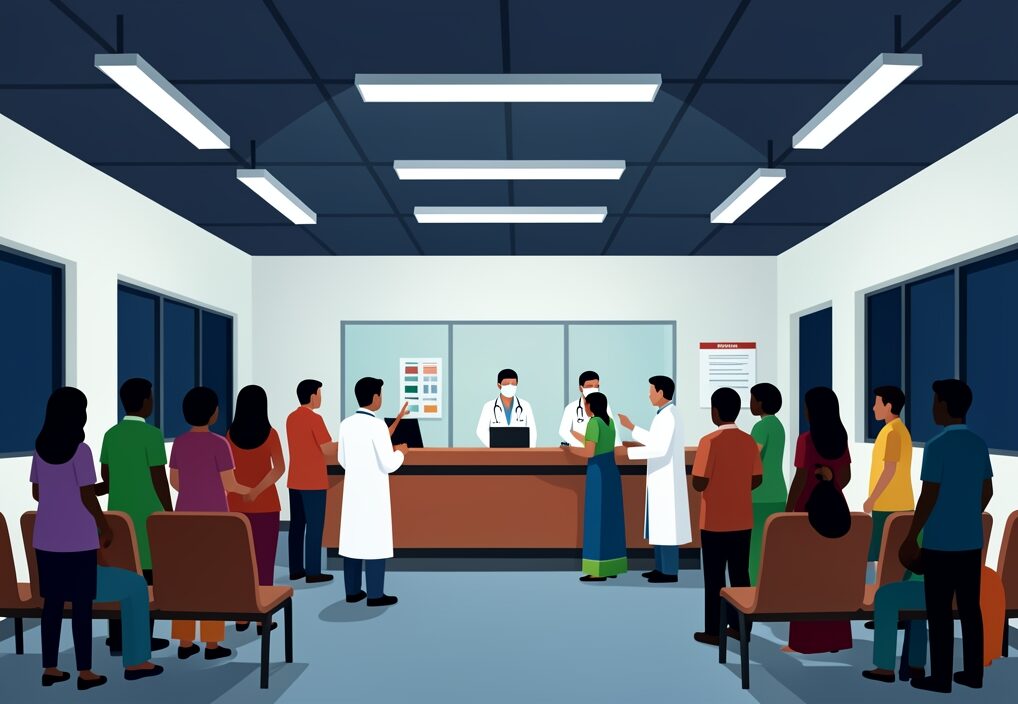
Lucknow firecracker injuries surged dramatically this festive season, with at least 612 injured patients rushing to major government hospital emergency wards between Sunday and Monday. The festival of lights left medical staff scrambling as emergency rooms contended with an influx of burns, deep tissue lacerations, and traffic accidents tied to late-night celebrations.
For families across our city, the celebrations turned into a medical nightmare. The numbers paint a grim picture of safety protocols failing during high-intensity community celebrations, echoing concerns similar to those raised during major civic disruptions or infrastructural strain elsewhere in Uttar Pradesh, such as the recent administrative reviews seen around the Lucknow Development Authority Proposes Massive Expansion Over 662 Revenue Villages or commercial disputes like the Lazeez Gali Lucknow Food Hub Project Sealed by LDA Over Unpaid Dues.
When public safety measures falter on city streets, emergency medical infrastructure bears the immediate brunt. Similar administrative vigilance and public safety questions frequently surface in regional crime reporting, such as the investigation into the Lucknow Crematorium Murder: Contractual Worker Killed Over Video Dispute at Baikunth Dham or enforcement actions like the Noida Construction Sites Theft: 5 Arrested Over 60 Quintals Iron Rebars Theft. Financial oversight also remains a recurring talking point across municipal bodies, touching everything from state administration reviews like Yogi Adityanath Teachers Welfare Attacks SP Over Past Governance and regional welfare announcements such as Yogi Adityanath Attacks SP and Congress Over Dalit Welfare at Bithoor Rally to law enforcement actions like the ED officer Lucknow: CBI Arrests Federal Staff Over ₹5 Lakh Bribe and legal disputes including the Prayagraj Lawyer Shot Dead Over Land Dispute Involving Government Advocate.
Inside the KGMU Trauma Centre
The situation was particularly critical at the King George’s Medical University (KGMU) Trauma Centre. Medical records show that 203 patients were admitted over November 7, 8, and 9 alone. Among them, 30 individuals sustained direct injuries from exploding firecrackers, while another eight patients suffered secondary injuries after being struck by stray projectiles.
Dr Vijay Kumar, head of the surgery department at KGMU, noted that the severity of trauma cases was noticeably higher this season compared to previous years. Several patients arrived with firecrackers exploding directly in their hands or pockets, causing severe bone fractures, deep tissue damage, and permanent loss of fingers. Those needing intensive surgical intervention were immediately shifted to the plastic surgery department for specialized care.
The Broader Civic Impact
Beyond the immediate medical emergency, the surge in hospital visits puts a sharp spotlight on urban emergency preparedness in Uttar Pradesh. As reported by Hindustan Times, local medical facilities faced an unprecedented wave of trauma admissions that stretched frontline resources to their absolute limits.
Residents must weigh the fleeting thrill of loud explosives against the permanent physical costs handled by overworked ER staff. As our neighborhoods continue to grow, municipal health guidelines and stricter local monitoring of high-explosive sales remain urgent necessities.
- 612 total emergency admissions recorded across five major Lucknow hospitals over three days.
- 203 trauma cases handled exclusively at the KGMU Trauma Centre.
- Severe hand fractures and finger amputations driven by pocket and hand detonations.
Key Takeaway: The massive influx of 612 emergency cases into Lucknow hospitals over Diwali underscores an urgent need for stricter firework safety enforcement and better community-level injury prevention.
Why it matters
For long-term residents and the wider UP diaspora keeping tabs on home, these emergency room numbers reveal systemic gaps in festive safety culture. When local medical infrastructure absorbs hundreds of preventable trauma cases over a 72-hour window, standard healthcare delivery for non-festive emergencies takes a direct hit. Protecting our city’s health requires a collective shift toward cautious celebration and responsible public oversight.