Noida Metro Aqua Line Hits Record 1.05 Lakh Daily Ridership: What It Means for Uttar Pradesh Transit
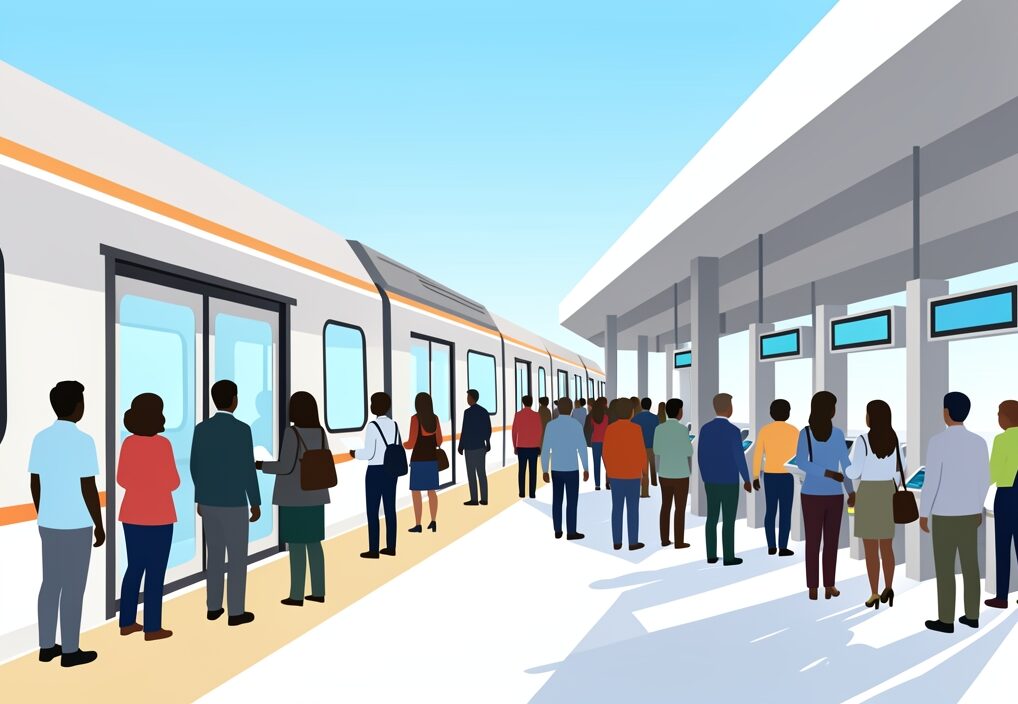
When the Noida Metro Aqua Line crossed a landmark threshold on October 23 by recording 1,05,358 passengers in a single day, according to Hindustan Times, it sent a clear message about how urban commuters across Uttar Pradesh want to travel. Operated by the Noida Metro Rail Corporation (NMRC), this transit corridor bridges Noida Sector 51 and Depot Station in Greater Noida across its 29.7-kilometer stretch. For daily workers, students, and visitors navigating the National Capital Region, this surge shatters previous benchmarks and highlights a massive shift toward structured, reliable public transportation.
This milestone did not happen by accident. NMRC officials point to targeted passenger-friendly initiatives that solved long-standing commuting bottlenecks. The inauguration of a dedicated skywalk connecting the Sector 51 and Sector 52 metro stations finally eased pedestrian friction, while the widespread adoption of QR-code-based ticketing and the National Common Mobility Card (NCMC) streamlined entry gates. Average daily ridership for the year through September already hovered at a solid 66,333 commuters, but the October spike shows that seamless physical and digital integration unlocks latent demand.
Lessons for Urban Transit and Infrastructure Across UP
For residents and urban planners watching transit developments across Uttar Pradesh, the Aqua Line’s success offers a blueprint worth examining. Public transport projects often struggle with last-mile connectivity and ticketing friction, issues that Noida managed to tackle through smart infrastructure placement. Similar transit adjustments frequently make headlines, echoing conversations sparked by large-scale projects such as the Noida Six-Lane Underpass Plan Moves Forward to Untangle Parthala Chowk Traffic, which aims to untangle chronic road bottlenecks.
Infrastructure development in the region continues to expand rapidly, aligning with major aviation upgrades like those seen when the Noida International Airport Renamed: UP Cabinet Approves Narendra Modi International Airport, Noida-Jewar. Yet, as concrete and steel transform the landscape, local residents remain watchful of environmental and social safeguards. Balanced growth requires careful management, reminding us of discussions surrounding urban forestry seen in the Noida Biodiversity Park Tree Felling Sparks Fresh Environmental Concerns Across Uttar Pradesh. Safety and regulatory oversight remain paramount, echoing public concerns highlighted following incidents like the Noida observation home liquor shop relocation highlights UP child safety gaps and the tragic safety lapses noted after the Noida Sector 125 fire leaves one dead as temporary food stalls turn into a blaze.
Other challenges, such as the recent incidents involving Noida Construction Sites Theft: 5 Arrested Over 60 Quintals Iron Rebars Theft, remind us that municipal security must keep pace with rapid urban expansion. Even as law enforcement addresses matters like Noida Police Case Highlights the Growing Danger of Social Media Misinformation in Uttar Pradesh, citizens keep a keen eye on how daily civic services perform.
Expanding the Horizon: From Noida to Lucknow
Transit milestones in the NCR region carry direct relevance for other growing urban centers in our state, including Lucknow and Kanpur. When commuters experience hassle-free transfers, they expect similar reliability closer to home. Academic and professional training hubs, such as those discussed regarding IIM-Lucknow Family Business MBA Announced for Noida Campus Starting Next Year, rely heavily on seamless regional transit to connect students and working professionals. Similarly, travelers moving between major hubs often feel the pinch of service disruptions, much like when Delhi metro station closures disrupt travel plans for Lucknow passengers ahead of Gandhi Jayanti.
Accountability remains essential for public trust. Just as citizens watch administrative bodies—noting developments such as when ED officer Lucknow: CBI Arrests Federal Staff Over ₹5 Lakh Bribe—they expect transit operators to maintain transparent, high-quality standards. Efficient mass transit directly reduces urban stress, curbs vehicular emissions, and makes city life manageable for everyone.
Why It Matters
For anyone living in Lucknow, Delhi, or Noida, public transit is the economic lifeblood of daily routine. When metro systems run efficiently, traffic congestion drops, air quality gets a slight reprieve, and workers reach offices without losing hours to gridlock. The Aqua Line proof-of-concept demonstrates that commuters will gladly ditch personal vehicles if agencies invest in practical, frictionless infrastructure.
- Seamless interchange skywalks eliminate frustrating street-level walks between networks.
- Digital ticketing options like QR codes and NCMC cards reduce station queue times significantly.
- Record ridership proves high-capacity transit can scale effectively when planned around actual commuter habits.
Integrated physical and digital upgrades are the single most effective way to turn occasional metro riders into daily commuters.
As Uttar Pradesh urbanizes at an unprecedented pace, the lessons from Noida’s transit corridors will guide future expansions across other metropolitan districts. Whether you commute daily or visit the region occasionally, watching how public agencies tackle infrastructure bottlenecks gives us a reliable window into the future of our cities.