State Human Rights Commission Seeks Inquiry Report Over Prayagraj Pipe Accident Death
Human Rights Body Steps In After Fatal Civic Negligence in Prayagraj
The Uttar Pradesh State Human Rights Commission has stepped in regarding the Prayagraj pipe accident that claimed the life of 13-year-old Pawan Adivasi in Koraon area on October 17. Acting on a formal complaint filed by Delhi-based social activist Krishna Rajput, the rights panel directed the Prayagraj District Magistrate to conduct a detailed inquiry and submit a comprehensive report by January 5, 2027. The matter is slated for a subsequent hearing on January 6, bringing renewed focus to urban infrastructure safety across the state. Ordinary families watch these developments closely because civic apathy strikes hardest at everyday neighborhoods.
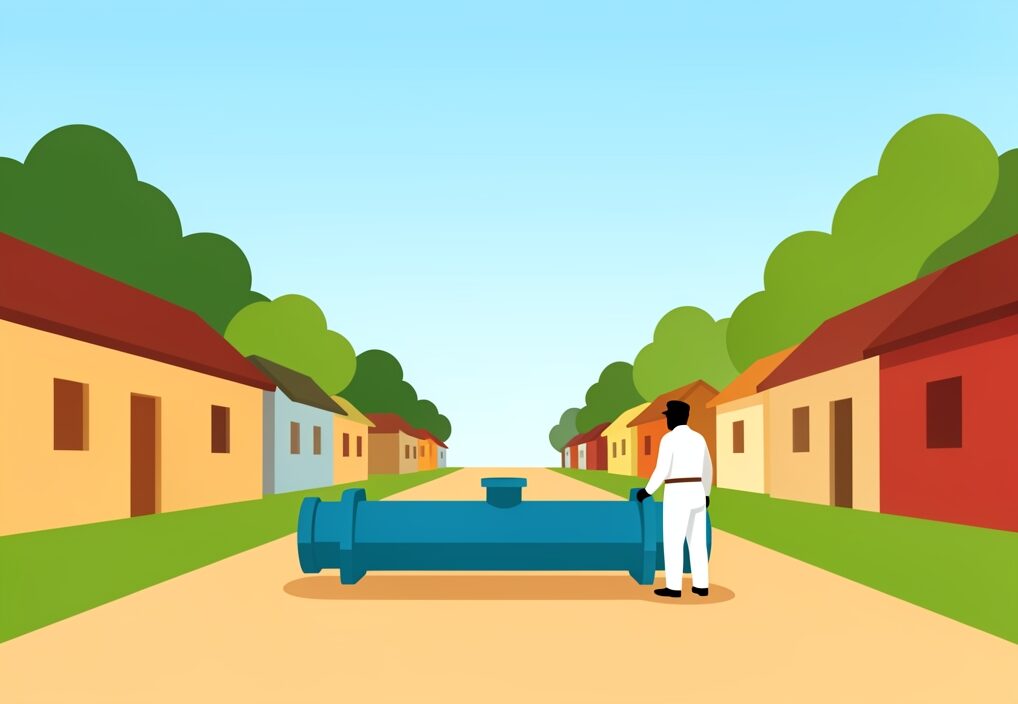
According to local accounts from Pura Munai village, the teenager was struck by a heavy water supply pipe belonging to the Jal Nigam that collapsed unexpectedly. Family members rushed him to the community health centre in Koraon, where doctors declared him dead upon arrival. For residents keeping track of municipal developments, such incidents highlight the grim human cost of poor site management during public works. Similar concerns about local infrastructure maintenance often surface in discussions regarding projects like the Prayagraj drainage overhaul waterlogging initiatives, where safety protocols directly impact ordinary families. When contractors leave heavy materials unsecured on roadsides, they turn residential paths into silent hazards.
Accountability and Public Infrastructure Standards
Civic safety lapses across Uttar Pradesh frequently trigger intense public debate, touching on issues ranging from administrative oversight to urban development accountability. While urban centers expand, the execution of water supply and pipeline projects requires stringent adherence to safety barriers to prevent hazards in residential zones. This tragedy echoes other administrative accountability cases across the region, such as those monitored by oversight bodies or probed following incidents like the UP human rights panel orders probe into recruitment candidate death. Citizens across towns like Lucknow, Kanpur, and Prayagraj expect officials to enforce basic safety rules before construction turns fatal.
Local authorities often rush public utility projects to meet administrative deadlines, leaving behind exposed trenches and unstable stacks of heavy pipes. When accidents happen, compensation packages arrive only after prolonged public outcry and activist pressure. This systemic cycle of neglect demands permanent structural reforms rather than temporary administrative band-aids. Families deserve safe roads where children can walk without fear of municipal infrastructure collapsing around them.
Key aspects mandated by the rights commission’s directive include:
- A thorough magisterial inquiry into the structural failure of the Jal Nigam pipe.
- Mandatory inclusion of the complainant, Krishna Rajput, in the investigative proceedings.
- Submission of the finalized report to the commission ahead of the January 5 deadline.
- Review of compensation and remedial measures for the grieving family.
Why it matters
For citizens living in Lucknow and wider Uttar Pradesh, accountability in public infrastructure projects remains a pressing concern. Unsecured construction materials and neglected public works threaten daily life in neighborhoods across the state. When oversight fails, vulnerable rural and semi-urban communities bear the brunt. Ensuring transparency in administrative inquiries deters future negligence and pushes civic agencies to enforce stricter on-site safety standards.
Legal and civic battles in Uttar Pradesh often intersect with broader land and development disputes, drawing parallels to tense local legal battles such as the Prayagraj lawyer shot dead land dispute or enforcement actions tied to properties like the Prayagraj development authority shaista parveen plot crackdowns. Beyond urban real estate battles, rural and semi-urban residents also deal with administrative hurdles in education and public welfare, mirroring the systemic challenges seen during initiatives like the UP board counselling initiative seeks to curb cheating and exam stress. Meanwhile, regional infrastructure projects like the Varanasi air show: Indian air force displays fighter might over the ganga draw massive crowds, yet everyday civic safety in smaller neighborhoods often lacks the same high-level attention.
As the district administration prepares its findings for the human rights panel, residents and activists will be watching closely to see whether institutional accountability translates into lasting improvements on the ground.
Takeaway: The State Human Rights Commission’s directive forces local authorities to re-examine field safety protocols and deliver answers in a case that underscores the urgent need for strict oversight of public infrastructure projects across Uttar Pradesh.