Yatra of Seva: 20 Teams Map 35,500 KM Route from Vadnagar to Varanasi
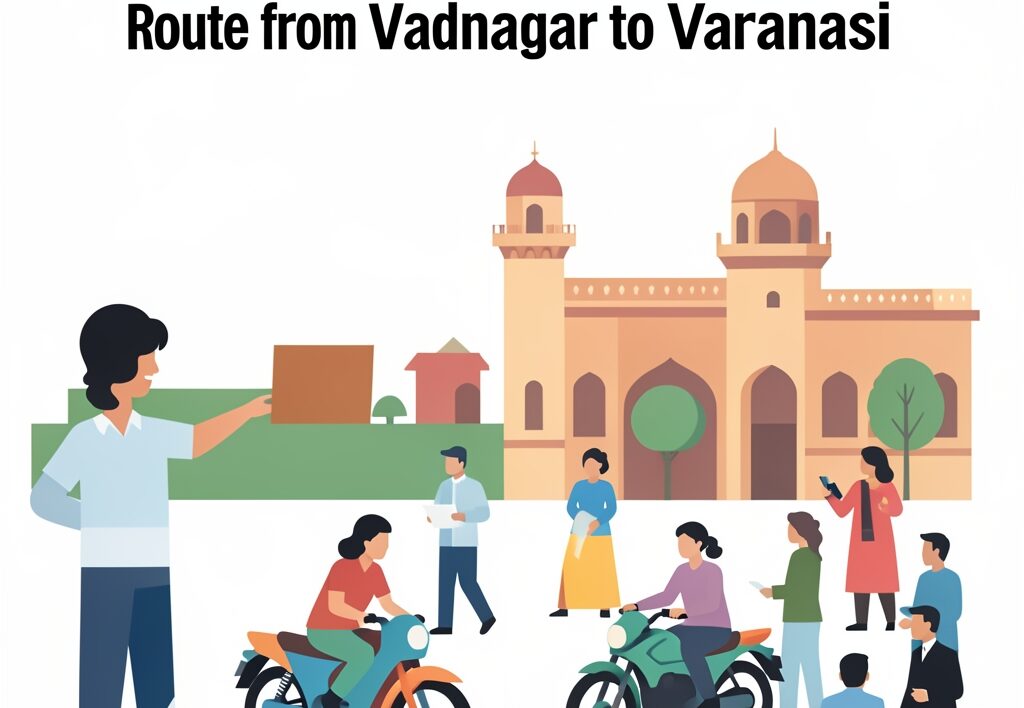
The Yatra of Seva is currently underway, sending 20 dedicated motorcycle teams across a massive 35,500-kilometre route from Gujarat’s Vadnagar to Varanasi and back between September 17 and October 7. Designed as an extensive grassroots outreach initiative centered entirely on public service, the campaign connects urban administrative centers directly with deep rural hinterlands.
For residents across Uttar Pradesh, large-scale mobilizations of this scale alter regional dynamics, echoing political rhythms seen during major state campaigns like the BJP 2027 polls roadmap: Core group plans Seva Sankalp blitz in Lucknow and similar state-wide efforts. Political observers note that such yatras bridge communication gaps between grassroots populations and administrative capitals, mirroring high-visibility strategies often launched from Lucknow, such as the Yogi Adityanath Lucknow press conference launching month-long Seva Sankalp Abhiyan for PM Modi.
As these riders cross district borders, they encounter diverse local realities that shape public sentiment well before voters head to polling booths. Understanding these movements provides ordinary citizens with clear context on why state highways witness heavy logistical deployments, traffic management shifts, and focused administrative attention during specific calendar windows.
Route Logistics and Grassroots Engagement
The campaign’s 20 motorcycle teams are traversing through towns, districts, talukas, and remote villages. Instead of merely passing through, these riders make extended halts to interact directly with local communities, address localized needs, and record feedback on central and state developmental schemes. This ground-up approach brings policy implementers face-to-face with everyday realities in semi-urban and rural regions.
Similar administrative scrutiny and security deployments often ripple across the state, bringing memories of targeted operations and regional sweeps, such as the high-profile Brajesh Ganjhu encounter: Wanted TSPC commander killed in Varanasi by UP ATS. Furthermore, leadership speeches frequently highlight these security and welfare intersections, much like the Yogi Adityanath Varanasi speech highlights law and order focus on daughters and mafia delivered in the very destination city of this yatra.
By engaging directly with village elders, local leaders, and youth groups, the expedition creates a two-way communication channel. Rural residents voice their everyday grievances regarding civic infrastructure, while organizers document local feedback to feed back into administrative planning cycles.
Welfare Activities on the Ground
The itinerary of the Yatra of Seva includes specific micro-interventions aimed at social upliftment and ecological stewardship. Communities participate alongside the riders in structured public programs:
- Cleanliness drives targeting local ponds, temples, schools, parks, and hospitals
- Beneficiary interactions and Gram Sabha samvad sessions
- Youth dialogues focused on local employment, vocational training, and skill development
- Gau Seva and tree plantation drives conducted under the ‘Ek Ped Maa Ke Naam’ banner
While state capitals grapple with macro-level governance—from urban infrastructure challenges like the Varanasi waterlogging crisis leaving colonies submerged for 10 days as civic apathy grips UP to seasonal disruptions covered in reports on heavy rain in UP disrupting life: schools shut in Lakhimpur Kheri and boats out in Varanasi—these grassroots yatras attempt to maintain direct contact with rural vote banks.
Political parties across the spectrum frequently utilize bus and motorcycle yatras to gauge public sentiment ahead of legislative battles. For instance, opposition frameworks rely heavily on parallel movements, as seen when the Samajwadi PDA yatra bus reaches Lucknow as SP locks 2024 slogan for 2027 polls.
Local Civic Impact and Regional Significance
For citizens living in Lucknow and across Uttar Pradesh, tracking these large-scale logistical exercises helps contextualize the heavy security deployments, traffic advisories, and local administrative shifts that accompany high-profile political movements on national highways. These yatras directly influence local resource allocation and shape the political narrative leading up to future electoral cycles.
Beyond politics, the campaign draws attention to local environmental campaigns and community service models. Residents looking for ways to engage with local cultural events can also explore community milestones, such as community book fairs like the Gomti Book Festival 2026 set for 12–20 September at Lucknow University ground, or welfare updates such as Uttar Pradesh lawyers receive ₹5 lakh cashless health cover under new Yogi scheme, which highlight the steady pace of state-backed welfare interventions.
Key Takeaway: The Yatra of Seva combines high-mobility motorcycle rallies with structured village-level welfare activities, creating a direct bridge between Gujarat and Varanasi that impacts grassroots political engagement across northern India.
Sources
Why it matters
Here is why Yatra Of Seva matters for readers following this story.