AIMIM Campaign Uttar Pradesh: Owaisi Resumes Trail in Kanpur
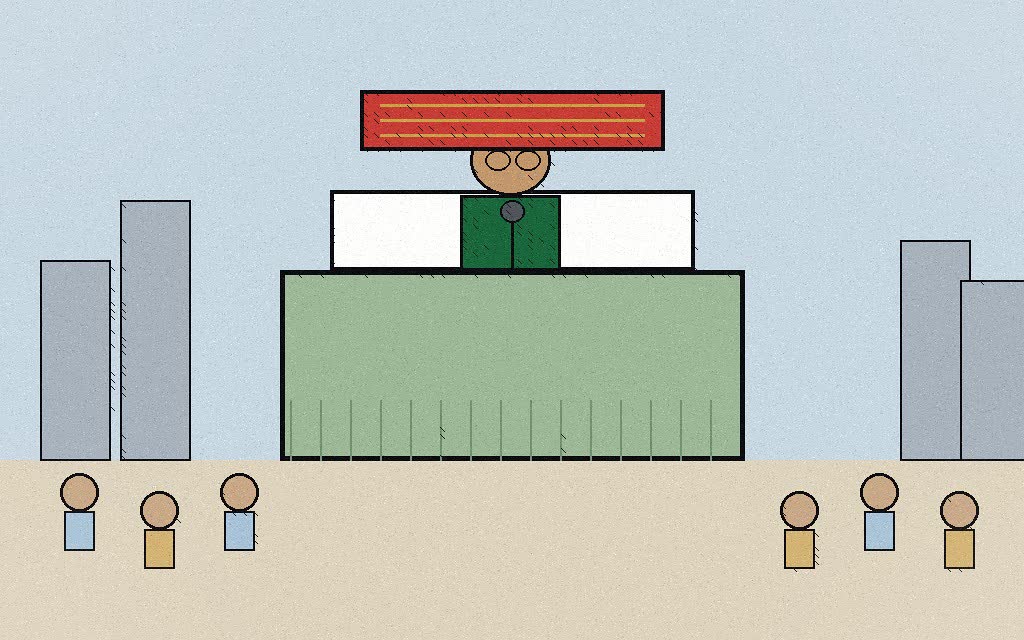
AIMIM campaign Uttar Pradesh updates begin today as All India Majlis-e-Ittehadul Muslimeen (AIMIM) president and Hyderabad MP Asaduddin Owaisi takes the stage at the Bagahi Eidgah Ground in Kanpur. Marking a decisive step toward the 2027 assembly polls, this rally signals the formal resumption of aggressive political outreach across state constituencies with significant Muslim populations.
For residents and political watchers across Awadh and neighbouring districts, the timing of this rally brings local discourse back to core structural debates. Owaisi’s itinerary extends beyond Kanpur, with scheduled public gatherings in Shravasti on September 27 and Azamgarh on October 11. These regions remain focal points for electoral realignment as major political formations size up grassroots sentiment well ahead of schedule.
Strategic Demographics and Regional Focus
The party’s current strategy deliberately bypasses broad regional sweeps in favour of hyper-targeted constituencies. By prioritizing areas where demographic density allows for formidable electoral bargaining power, AIMIM aims to consolidate local support. Previous stops in Bahraich, Najibabad, Moradabad, and Saharanpur established a template centered on direct voter engagement.
Local political conversations in Lucknow and nearby hubs frequently revolve around how smaller factions alter traditional voting blocs. The central friction point remains the distribution of political leverage. Owaisi has repeatedly challenged the Samajwadi Party, arguing that minority communities have historically provided captive electoral support without receiving a proportional share in governance. At the same time, the party keeps channels open for strategic alliances designed to block ruling party consolidation.
Policy Debates and Legislative Concerns
Campaign speeches on this leg are heavily driven by high-stakes national and local policy debates. Key discussion pillars include:
- The legislative framework surrounding the proposed Uniform Civil Code Uttar Pradesh rollout and its civic implications.
- Concerns over recent administrative actions, including local mosque demolitions and community representation.
- The ongoing search for reliable security and economic stability, a concern magnified after recent incidents such as the Kanpur crime business homicide safety fears that prompted intense civic debate across the region.
- Broader law and order scrutiny following episodes like the Bareilly stabbing incident Uttar Pradesh authorities scrambled to contain.
- Community safety discussions sparked by urban security challenges, echoing anxieties seen during the Kanpur Pharma Trader Murder Shocks Uttar Pradesh as Police Detain Two Suspects reports.
These policy arguments resonate strongly with urban youth and working-class families trying to reconcile shifting political rhetoric with everyday civic realities. Observers tracking student sentiments across campuses—similar to the activism seen during the Noida Student Protest Notice Raises Questions Across Uttar Pradesh Campuses events—note that younger voters demand concrete socio-economic commitments rather than identity-based appeals alone.
Why it matters
Electoral shifts in industrial hubs like Kanpur inevitably ripple outward into state capital calculations. For Lucknow residents, the trajectory of third-front politics alters how major parties frame their manifestos on minority welfare, economic development, and civic security. If AIMIM successfully mobilizes voters in eastern and central UP districts, traditional triangular contests will redraw winning margins across dozens of assembly seats.
The ongoing realignment of voter loyalty across Uttar Pradesh ensures that every scheduled rally, from Kanpur to Azamgarh, serves as a direct test of grassroots discontent and shifting political allegiances.
As campaigns heat up alongside shifting seasonal weather patterns—frequently evoking memories of the erratic Uttar Pradesh Monsoon Weather Swings From Deluge to Deficit in August cycles—voters face an increasingly unpredictable political climate.