Yogi Adityanath Procession Halts for Ambulance in Gorakhpur
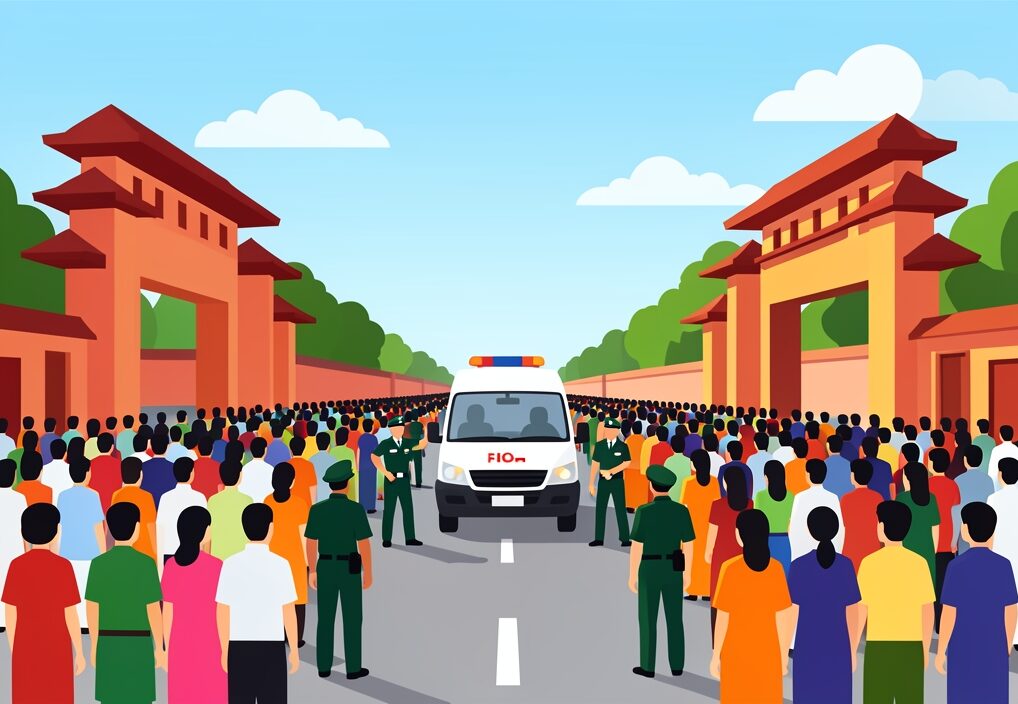
During a high-profile Yogi Adityanath procession outside Gorakhnath Temple on Vijayadashami, the Chief Minister made a split-second decision that drew widespread local appreciation. When the wail of an emergency siren pierced the festive air, the state leader ordered security forces to halt the march immediately, clearing a clean corridor for a critically ill patient trapped in traffic.
The incident, reported from Gorakhpur during the traditional Gorakshpeeth celebrations, underlines a firm governance stance: human life overrides protocol and rigid scheduling. As thousands of devotees and security personnel packed the temple vicinity, the faint sound of an ambulance siren prompted an immediate administrative pause. The quick intervention allowed the medical vehicle to pass unhindered before the festive march resumed its course.
Balancing Festive Protocol and Public Safety
For residents across Uttar Pradesh, managing massive crowd surges during major festivals remains an intricate civic challenge. From the bustling chowks of Lucknow during festive weeks to large-scale temple processions in eastern UP, balancing public security with the daily movement of citizens requires strict traffic management. The administration has frequently emphasized that emergency corridors must remain operational, echoing the directives seen when officials review festive security and traffic management in Lucknow.
Festivals bring immense joy and cultural resonance to the state, but they also bring severe traffic bottlenecks. When VIP movements and massive processions intersect with emergency medical needs, the potential for delays can turn fatal. By personally intervening to let the medical transport through, the state leadership demonstrated a practical approach to civic disruptions.
The Broader Impact on UP Governance and Daily Life
This episode resonates deeply with citizens who navigate congested urban corridors daily. Observers note that administrative responsiveness during high-pressure events sets a tone for local police and security personnel. Whether it involves monitoring regional infrastructure or addressing local grievances, executive presence dictates how lower-tier authorities handle public emergencies.
- Emergency sirens take absolute precedence over ceremonial schedules.
- Security personnel receive immediate cues from leadership on ground-level empathy.
- Civic order adapts dynamically to save lives during mass gatherings.
Emergency response must always outrank protocol, ensuring that every citizen’s right to medical care remains uncompromised even during major cultural celebrations.
Why it matters
For the people of Uttar Pradesh and the diaspora keeping a close eye on home affairs, this moment serves as a reminder of how leadership actions influence grassroots execution. Citizens often struggle with VIP culture causing road closures and transit delays during festivals. When the state’s highest official halts a major traditional procession for an ordinary citizen’s medical emergency, it establishes a vital precedent for police forces and administrative officers statewide. Similar shifts are visible across various sectors, from urban planning adjustments to infrastructure review push expressways in UP and structural changes like when Kasari-Masari was renamed by the administration.
Ultimately, daily urban life in expanding UP cities relies heavily on how emergency services are protected against gridlock. As local civic bodies work alongside state departments—often addressing issues similar to those managed when permanent solutions for Gomti flooding were announced or when farmers relief funds were distributed—the emphasis on swift, humane intervention remains paramount.