Ghaziabad Elevated Corridor Plan Offers a Blueprint for Uttar Pradesh Urban Transit
Ghaziabad Elevated Corridor Plan Offers a Blueprint for Uttar Pradesh Urban Transit
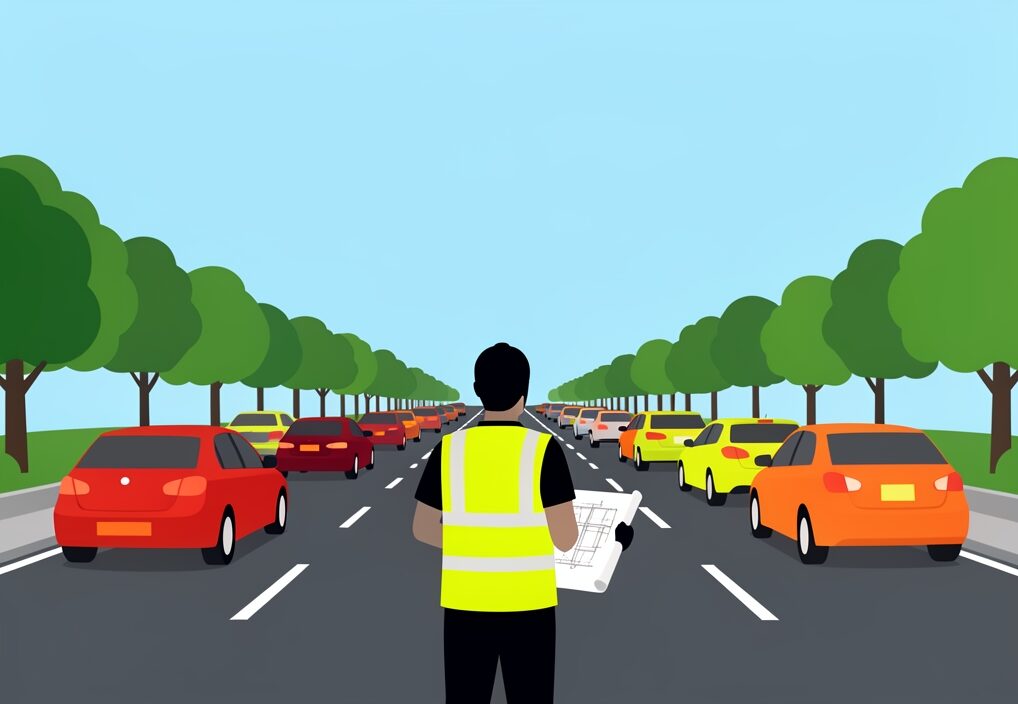
The Ghaziabad elevated corridor project took a major step forward as the Ghaziabad Development Authority announced a crucial extension connecting the New Bus Adda metro station to the historic Ghanta Ghar crossing on the Grand Trunk Road. Unveiled following a recent site inspection by planning officials, this infrastructure blueprint aims to permanently unclog one of the region’s most heavily congested surface arteries. For anyone who has ever wrestled with gridlock during rush hour, this announcement brings a welcome glimpse of forward-thinking civic planning.
For daily commuters, business owners, and residents across Uttar Pradesh, this announcement signals a proactive shift in how urban planning authorities tackle chronic traffic bottlenecks. The GT Road stretch currently operates as a four-lane surface road, absorbing heavy daily volumes heading toward Gautam Budh Nagar, Bulandshahr, and Aligarh, while feeding directly into National Highway 9 and the Delhi-Meerut Expressway near Lal Kuan. As towns across our state expand at a staggering pace, finding smart ways to move people without tearing down established neighborhoods remains a top priority for municipal administrators.
Connecting the Dots on Grand Trunk Road
The newly conceptualized stretch will not stand in isolation. Instead, planning officials intend to merge this section seamlessly with an already sanctioned elevated corridor stretching from Ghanta Ghar to Bhatia Morh. By joining these two major segments, the authority creates a continuous, high-speed bypass that lifts local commuter traffic above street-level snarls. Local shopkeepers and auto-rickshaw drivers along GT Road have long complained about delivery delays and lost business hours caused by perennial bumper-to-bumper traffic, making this integration a welcome relief.
Urban planners across the state are watching these developments closely. Similar to how the Noida six-lane underpass plan moves forward to untangle Parthala Chowk traffic, or how major highway expansions like the Uttar Pradesh defence corridor replacing katta industry reshape regional economies, local infrastructure upgrades carry massive ripple effects. Effective transit engineering remains central to supporting regional growth, reducing fuel waste, and cutting daily transit times for millions of travellers across the state. When municipal bodies invest in grade-separated roads, they prevent the chronic logjams that plague older commercial districts.
Transit analysts point out that piecemeal road widening often fails to keep pace with soaring vehicle registrations. Building multi-tier bypasses or elevated arteries offers a sustainable alternative where land acquisition proves challenging. Similar lessons apply closer to home, where civic authorities constantly balance vehicular demands, such as managing traffic during peak festive rushes or addressing unexpected roadway issues like the Ekana stadium road cave-in following heavy downpours. In addition, keeping roads safe prevents tragedies like the recent Lucknow road accidents that claimed three lives in Alambagh and BKT, reminding us that proper traffic flow and road maintenance are literal matters of life and death.
Balancing Growth and Commuter Safety
For residents and the broader Uttar Pradesh diaspora tracking municipal advancements, infrastructure efficiency dictates the quality of daily life. When commercial arteries like GT Road move faster, logistics costs drop and commuter safety improves. Streamlined urban corridors complement major regional initiatives, mirroring how the state handles large-scale projects like the Shinzo Abe memorial corridor opened in UP or transit network expansions like the Lucknow metro’s second corridor October launch. Every time a new transit link opens, it eases pressure on secondary roads, helping neighborhoods breathe a little easier.
Effective civic management requires anticipating growth before gridlocks paralyze commercial hubs. Whether implementing strict CM Yogi festive security and traffic management in Lucknow or following structured advisories akin to the Gurugram traffic police advisory, modern cities need proactive engineering. Just as the KGMU patient attendants facility set to ease hardships for families across Uttar Pradesh, infrastructure projects succeed when they directly address human needs and reduce everyday suffering. As construction modalities on GT Road advance, local commuters hope the final execution matches the ambitious blueprint laid out by the development authority.
- Seamless integration of two proposed elevated segments to bypass surface-level friction.
- Direct connection points linking major national highways and regional expressways.
- Enhanced commuter safety and reduced transit times for long-distance travellers.
Strategic integration of urban elevated corridors can drastically transform regional transit efficiency, providing a scalable model for growing metropolitan centers throughout Uttar Pradesh. According to details published in the Hindustan Times report on the Ghaziabad elevated corridor, the GDA is prioritizing timely execution to keep disruption to a minimum while upgrading municipal infrastructure for decades to come.
Why it matters
Here is why Ghaziabad Elevated Corridor matters for readers following this story.