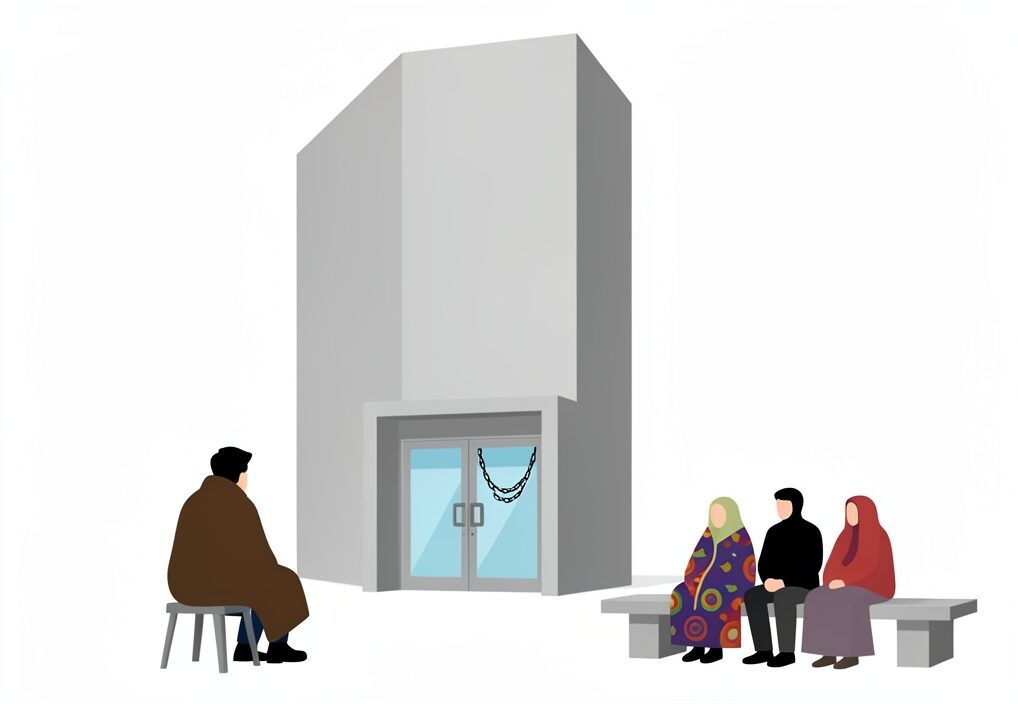
KGMU Attendants Shelter Delay Leaves Families in the Cold as Winter Sets In
As temperatures drop across Uttar Pradesh, thousands of families arriving at King George’s Medical University face a harsh reality. The new KGMU attendants shelter remains entirely empty and locked up despite being finished in early November. According to reports from the Hindustan Times, while university officials confirm that the massive 12-storey infrastructure project wrapped up right on schedule, poor coordination over a ribbon-cutting ceremony has left ordinary citizens shivering on open pavements.
For decades, families accompanying critical patients from remote districts of the state have endured unimaginable hardships. They camp out on hospital corridors, pavements, and open spaces near campus buildings while waiting for loved ones to recover. This modern, fully air-conditioned building was meant to permanently end that cycle of misery. Instead, bureaucratic red tape has kept the gates firmly shut just as winter grips the state.
Bureaucratic Delays vs. Ground Realities
KGMU spokesperson Prof KK Singh noted that construction of the Patients’ Attendants’ Accommodation Centre was completed within the stipulated timeframe. Yet, the university administration is still running pillar-to-post trying to secure a formal appointment from government dignitaries for the inauguration. This administrative bottleneck highlights a persistent civic disconnect where completed public utilities sit idle because VIP schedules take precedence over human needs.
Lucknow residents and visitors navigating the city’s premier healthcare ecosystem watch these delays with quiet frustration. When grand infrastructure projects miss their operational window, the human cost is borne immediately by the working-class families who form the backbone of UP’s migrant and medical visitor population.
- The facility stands 12 storeys tall with modern amenities.
- It boasts a total capacity to comfortably house 1,200 people at once.
- Families from across the state continue to sleep outdoors despite freezing night temperatures.
Broader Implications for Lucknow’s Healthcare Infrastructure
This incident is not isolated within the university grounds. Medical infrastructure updates have frequently made headlines recently, ranging from forensic advancements like the KGMU DNA fingerprinting lab opens in Lucknow to transform Uttar Pradesh forensics to administrative inquiries such as the KGMU anti-ragging probe launched after viral video shows freshers greeting seniors. Past controversies, including the KGMU Resident Doctor Studies in Limbo as 10-Month Absence Exposes Campus Safety Gaps and KGMU conversion harassment allegations: UP Government Orders Strict Action, underline how intensely scrutinized every administrative move at the institution is. However, physical welfare projects like the attendants’ shelter directly touch the daily survival of everyday visitors.
Regional healthcare expansion continues elsewhere in the state, such as the massive Park Hospitals Uttar Pradesh: ₹200 Crore Prayagraj Project, showing that physical structures are rising fast. Yet, the gap between construction completion and public utility remains a glaring administrative hurdle.
Commuting safely across the region also requires attention during these foggy months, much like observing UP Expressways Speed Limits Lowered Starting November 1 for Winter Safety. When basic support systems like indoor shelters are delayed by ceremonial politics, vulnerable citizens pay a heavy price. Cutting the ribbon can wait, but keeping people safe from the winter chill cannot.
Opening this 1,200-bed facility immediately is no longer just an administrative formality; it is an urgent humanitarian necessity for the thousands seeking healing in Lucknow.
Why it matters
For anyone living in Lucknow or traveling into the city for medical emergencies, KGMU acts as a final resort. When basic support systems are delayed, vulnerable citizens suffer. The city needs responsive administration that prioritizes human lives over ceremonial photo opportunities.