KGMU anti-ragging probe launched after viral video shows freshers greeting seniors
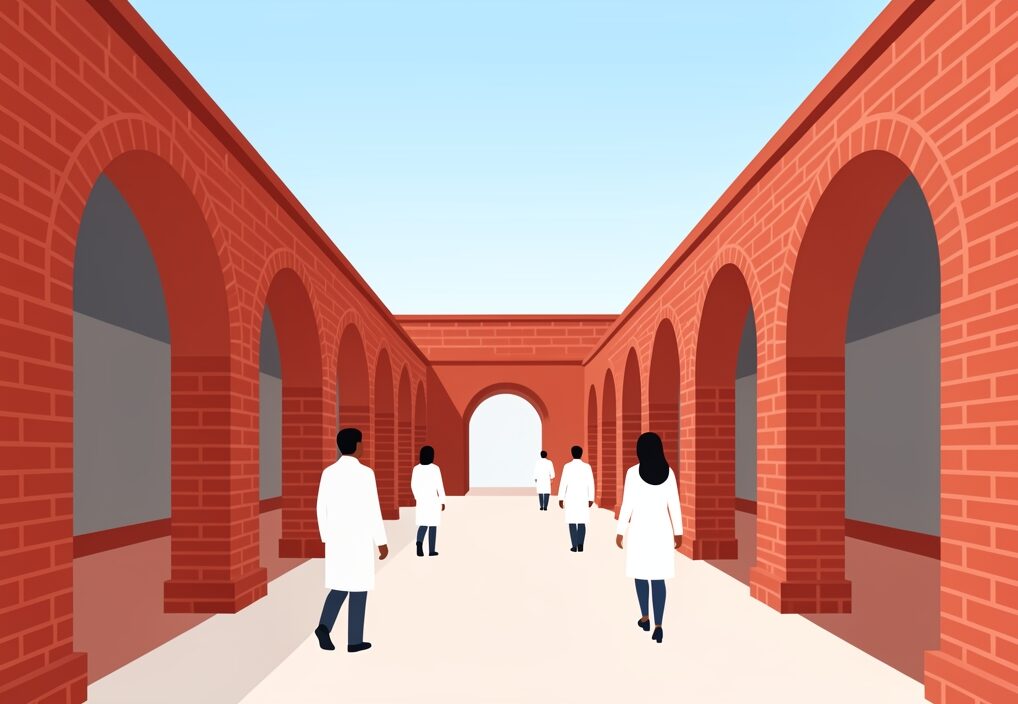
King George’s Medical University has initiated a formal KGMU anti-ragging probe following a viral video that captured first-year MBBS students standing in queues to greet passing seniors in Lucknow. The circulating footage, which surfaced across social media platforms, shows incoming batches addressing senior students with formal salutations like “Pranam Mahoday” and “Pranam Madam.” While university administrators maintain that the footage lacks immediate evidence of direct physical coercion, the public outcry has forced institutional leaders to re-examine the fragile boundary between traditional campus hierarchy and subtle intimidation in local higher education institutions.
Decoding the Institutional Response and Campus Climate
University spokesperson Dr KK Singh addressed the growing controversy by confirming that official inquiries are underway across the Chowk campus. According to administration statements, the initial review did not reveal clear-cut physical forcing within the frame of the recording. However, the sheer optics of structured subordination have rattled students and parents alike. When young adults entering a prestigious medical institution feel compelled to line up for formal greetings, it reflects an underlying culture of enforced deference that goes far beyond harmless campus tradition.
This incident arrives at a sensitive time for the institution as it attempts to build a more transparent academic environment. Readers tracking local institutional accountability can review past governance concerns detailed in our reports on the KGMU conversion harassment allegations and the administrative gaps highlighted by the KGMU resident doctor studies limbo. For medical aspirants and families across Uttar Pradesh, academic safety must be prioritized just as much as clinical excellence. Alongside campus safety concerns, the institution has also expanded advanced scientific capabilities, such as launching the KGMU DNA fingerprinting lab in Lucknow to transform Uttar Pradesh forensics.
Maintaining a secure academic environment requires constant vigilance from anti-ragging cells rather than reactive defense mechanisms once videos hit public domains. When administrative oversight slips, other civic issues in the city often mirror a broader lack of ground-level enforcement. For instance, residents have frequently noted how uncovered construction sites worsen Lucknow dust pollution due to bureaucratic apathy, while unchecked dust sources lead to Lucknow poor AQI exposing enforcement failure as open construction sites choke the city. Similarly, administrative lapses demand systemic fixes rather than temporary public relations cover.
Why Hierarchical Etiquette Crosses the Line
Medical colleges across Uttar Pradesh have long nurtured strict hierarchical traditions under the guise of building discipline and respect. Yet, institutional psychologists and student welfare advocates argue that mandatory vocal salutations create an atmosphere of psychological pressure. Freshers navigating away from home for the first time are uniquely vulnerable to subtle peer dynamics. When routine respect morphs into obligatory public ritual, it strips students of their autonomy and introduces unnecessary anxiety during their crucial academic formation.
- Freshers line up in campus corridors to voice formal salutations to passing seniors.
- Videos circulate widely online, drawing immediate attention from university authorities.
- Probes evaluate whether psychological compulsion or unwritten mandates forced the greeting ritual.
The university’s anti-ragging committee must look beyond the literal interpretation of the video clip. A thorough investigation requires confidential channels where students can speak freely without fearing academic retaliation or social alienation from their peers. Other state-level administrative shifts, such as recent UP IAS transfers involving six DMs among 16 officers moved, demonstrate how government machinery responds to structural inertia when accountability is demanded.
Why it matters
For residents, medical aspirants, and the broader community, safe campuses are a non-negotiable priority. KGMU stands as a premier medical institution in northern India, and controversies surrounding student interactions directly impact public trust in its administrative capabilities. Ensuring that junior doctors can pursue their degrees free from fear or intimidation is vital for cultivating a healthy, competent healthcare workforce in Uttar Pradesh. Transparent inquiries and strict enforcement of anti-ragging protocols remain the only reliable antidote to recurring campus anxieties.
As the investigation progresses, all eyes remain on the university administration to see whether this probe leads to meaningful cultural reforms or ends as a routine exercise in public relations damage control.