LDA Carbon App Tracks Tree Health in Lucknow for Credits
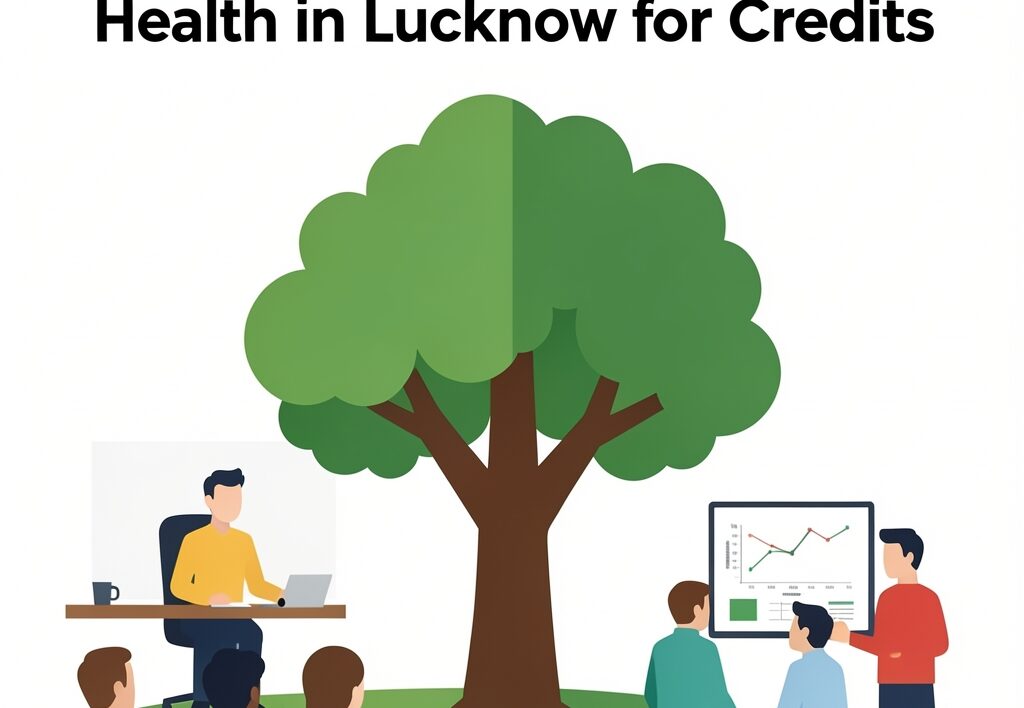
The LDA carbon app is shaking up urban environmental management in Lucknow as officials deploy a dedicated mobile application to track the health of trees across city parks. Launched in August, this software calculates carbon absorption rates and could eventually allow the civic body to unlock financial returns through carbon credits.
For decades, urban forestry management relied on manual audits and paper registries that left green spaces vulnerable to oversight. Now, city administrators are pivoting toward tech-driven accountability. But how will this tool alter day-to-day park management, and what does it mean for residents who rely on these urban lungs?
Digitizing Lucknow’s Green Cover Through Mobile Tech
The newly engineered mobile software, titled the “Carbon Sequestration Assessment Tool,” is heading to the Google Play Store soon. According to senior LDA officials, the application will systematically capture critical arboreal data. Field operators will input specific metrics for every tree they inspect.
- Tree species classification
- Exact age estimation
- Trunk diameter measurements
This granular data collection aims to establish a scientific database covering all trees inside LDA-managed parks. To test system reliability, the authority is initiating a targeted pilot phase. Twenty designated garden officers and field employees will test the application on the ground, ironing out operational glitches before a wider deployment.
This digital push arrives at a time when residents are already grappling with changing public access rules. Many locals have voiced concerns after seeing paid access curbs public use of LDA neighbourhood parks in Lucknow. Bringing transparency to green space maintenance through digital tracking could help rebuild community trust if managed properly.
Why It Matters
Urban centers across Uttar Pradesh face mounting pressure from vehicular pollution and concrete expansion. Tree conservation is no longer just about aesthetics; it is a vital public health necessity. By moving toward a metric-driven carbon accounting model, the LDA is attempting to treat trees as active environmental assets rather than passive landscaping features.
If successful, monitoring carbon sequestration could open up innovative revenue streams for the authority via international or domestic carbon markets. For local residents, students, and the wider UP diaspora tracking hometown developments, this initiative signals a modern approach to municipal governance. However, residents will naturally expect transparency regarding how any future carbon credit revenues are reinvested into neighborhood parks.
Citizens also remain watchful given past administrative controversies. The authority has faced severe scrutiny on multiple fronts over building approvals and enforcement lapses, ranging from past incidents highlighted when the Supreme Court issued contempt notice to LDA Vice-Chairman over Lucknow coaching centre fire case to strict actions seen when LDA Aliganj illegal buildings face crackdown after Supreme Court reprimand.
Internal corruption probes have also tested public confidence, notably when the LDA engineer arrest in ₹7.5 lakh bribery case exposes persistent civic corruption in Lucknow and the subsequent investigations surrounding the LDA enforcement wing under scrutiny after ₹7.5 lakh vigilance trap leads to three arrests in Lucknow.
Ensuring that technology initiatives like the Carbon absorption app introduced by the LDA remain transparent and corruption-free is essential for winning back civic support. As the pilot program scales up, Lucknow watchers will monitor whether digital tracking translates into healthier parks and cleaner air.
Key Takeaway: The LDA’s new carbon tracking app transforms tree management into a data-driven science, opening the door for future carbon credit revenues while testing public trust in civic modernization.