Lucknow Gambling Den Raid in Bazaar Khala Leads to 16 Arrests
A high-stakes Lucknow gambling den raid in the Bazaar Khala area has resulted in the immediate arrest of 16 men and the recovery of ₹1,27,150 in cash. Local law enforcement moved swiftly after receiving a confidential tip-off during routine patrolling, catching suspects off-guard inside a residential property.
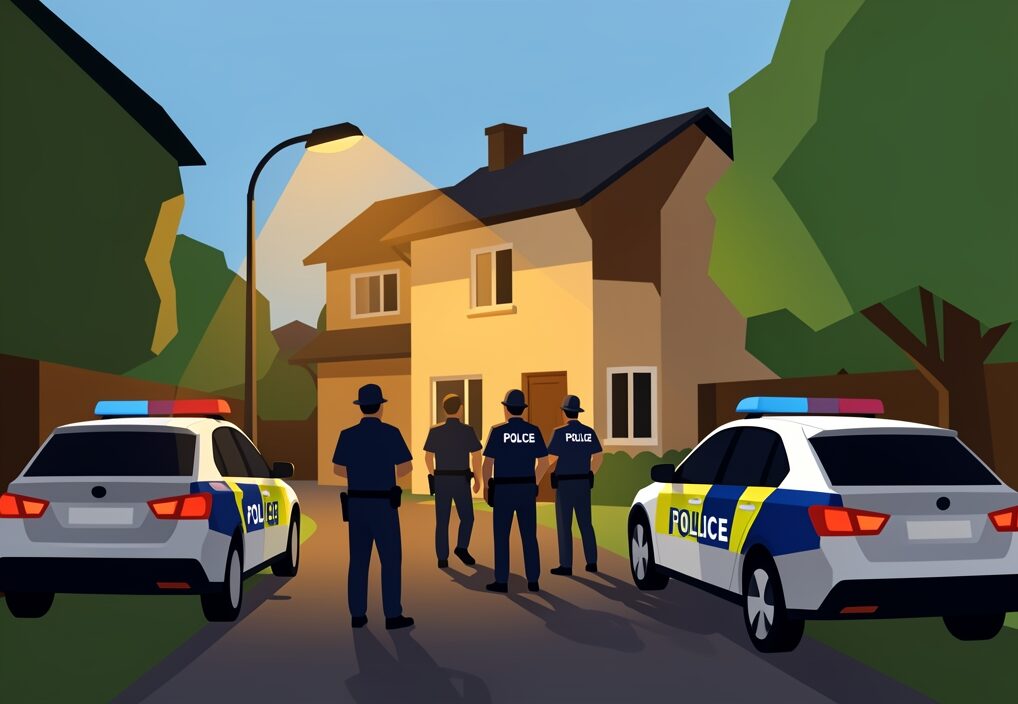
The operation unfolded in the Nand Kheda Mill Area, a bustling pocket of the city where local residents have grown increasingly vocal about neighborhood safety. Led by the assistant commissioner of police for Bazaar Khala, the tactical team surrounded the premises on October 21. While several individuals inside attempted a frantic dash toward the exits, the quick-footed police response ensured every single suspect was cornered and detained before they could scatter into the narrow alleys.
How the Bazaar Khala Operation Unfolded
Illegal betting rings often rely on the labyrinthine layouts of older city quarters to evade authorities. In this instance, tip-offs gathered by beat officers during evening patrols pointed directly toward suspicious nocturnal activities at the target house. Instead of waiting for formal complaints, the local precinct mobilized a dedicated team to verify the intelligence.
The swiftness of the raid highlights a broader push by urban policing units to crack down on underground dens before they morph into broader security headaches. Similar local enforcement actions, such as those seen when Goat thieves arrested in Lucknow: How Mohanlalganj police busted the car-borne gang, underscore how actionable intelligence and proactive patrolling keep neighborhood crime in check across Greater Awadh.
Furthermore, residents have noted that maintaining safe public spaces requires constant vigilance. Whether dealing with Lucknow Road Accidents Claim Three Lives in Alambagh and BKT or investigating unexpected incidents like the Tragedy in Naka: Lucknow Crime Investigation Shocks Residents, police presence remains a central pillar of civic stability.
- Total suspects arrested: 16 local men
- Cash recovered from the spot: ₹1,27,150
- Primary location: Nand Kheda Mill Area, Bazaar Khala
- Legal action: FIR filed under Sections 3 and 4 of the Public Gambling Act
Why It Matters for Lucknow Residents
For families living in dense residential clusters across Chowk, Bazaar Khala, and neighboring localities, underground dens are more than just a legal infraction—they act as magnets for transient crowds, petty disputes, and late-night disturbances. Residents often worry about how such covert operations degrade local safety norms. When criminal networks or illicit gambling rings operate unchecked, they create an atmosphere of vulnerability for school children, shopkeepers, and elderly residents.
Public safety in Lucknow relies heavily on community vigilance paired with aggressive police follow-through. While enforcement agencies tackle everything from high-value commercial scams—such as the recent investigation detailed when 18 Months of Planning: How a Fake-Gold Gang Duped a Lucknow Jeweller of 2.86kg Jewellery and ₹20 Lakh—street-level vigilance against illegal dens protects everyday neighborhoods from sliding into lawlessness.
Other recent city developments show a parallel push for order, ranging from measures discussed in Yogi Adityanath Lucknow Job Models Recast PDA and NDA to protections outlined when Lucknow Traders Protected As UP Government Warns Against Extortion. Together, these administrative actions shape the daily rhythm of the city.
The ongoing police crackdown sends a clear message that neighborhood syndicates operating out of residential safe houses will face immediate legal consequences under the Public Gambling Act.
As the investigation proceeds, authorities are examining whether the house was rented specifically for illicit gatherings or if repeat offenders were orchestrating the betting ring. Residents who value peaceful nights in the old quarters will be watching closely to see if local policing squads maintain this heightened level of street-level alertness.