
Solaryaan Hybrid Inverters at REI Expo 2026: What UP’s Clean Energy Push Means for Residents
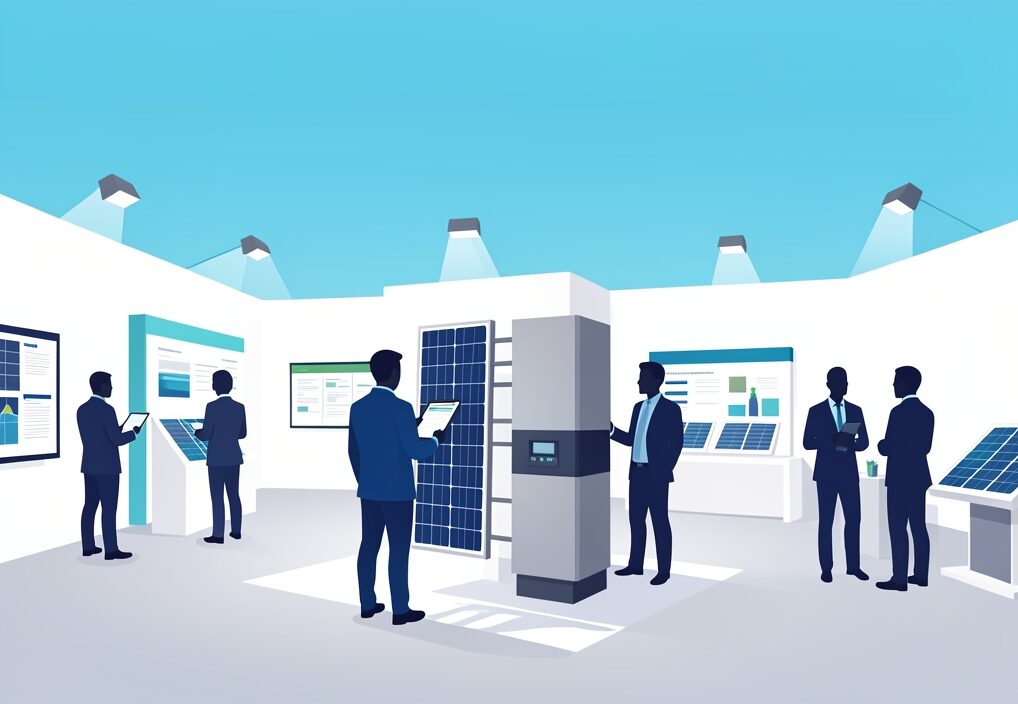
As industrial momentum picks up across the region, Solaryaan hybrid inverters are taking center stage at the Renewable Energy India (REI Expo 2026) in Greater Noida. Running from October 22 to 24, the expo has drawn clean energy stakeholders looking to tackle rising grid demands and frequent power fluctuations. According to a report by the Free Press Journal, Solaryaan, a clean energy solutions brand of HowD Innovations Pvt. Ltd., used the venue to outline ambitious manufacturing expansion plans, setting its sights on a massive 5 GWh battery facility in Gujarat. For households and businesses in Uttar Pradesh navigating shifting power dynamics, this industrial shift points toward more accessible domestic storage options.
The company’s showcase focuses on integrated solar power and energy storage units designed to help homes and industries cut down on grid reliance. With power cuts and fluctuating supply continuing to challenge urban centers and manufacturing hubs alike, reliable home storage systems remain a pressing topic. Similar industrial investments have been building up momentum in the state, mirroring the commercial scale seen during major trade events like the UPITS-2026 Trade Show Clocks ₹6,500 Crore in MoUs. As industrial corridors expand, the demand for stable, decentralized energy solutions grows more acute.
Scaling Up Manufacturing in Western India
Beyond the exhibition floor, Solaryaan has mapped out a concrete manufacturing roadmap. The brand is planning a sprawling 2 lakh square foot facility located in Kadi, Gujarat. This plant aims to hit a 5 GWh battery manufacturing capacity in the upcoming financial year to meet soaring national demand.
The production strategy is divided into distinct phases:
- Phase one will roll out 1.2 GWh of lithium-ion battery production capacity.
- The same initial phase incorporates 2 GW of dedicated inverter manufacturing output.
- The broader rollout aims to supply residential, commercial, and industrial segments across domestic markets.
These developments unfold alongside other regional industrial shifts, such as adjustments in Minimum wages increased for Gautam Budh Nagar workers following intense industrial pressure, highlighting the fast-paced evolution of the state’s manufacturing landscape. While the factory itself anchors in Gujarat, the commercial ripples extend directly into northern markets where consumers seek robust backup alternatives.
Navigating Grid Challenges Across Uttar Pradesh
For residents and commercial entities in Lucknow and across Uttar Pradesh, the push toward localized hybrid inverters and battery storage addresses a very practical daily friction: power reliability. As urban centers grow denser and summer cooling loads strain conventional grids, rooftop solar paired with advanced battery storage transforms from a luxury into a functional necessity. State-wide dialogues on energy independence parallel administrative focus areas seen in recent legislative and civic events, such as the UP MLC polls 2026: BJP top leadership sprints into final campaign phase across state, where infrastructure and resource management frequently dominate public discourse.
Travelers and local business owners keeping an eye on Uttar Pradesh’s economic trajectory will note how supply chain localization helps stabilize equipment costs. Navigating daily logistics in cities often intersects with broader regional changes, much like commuters adjusting to disruptions such as Delhi metro station closures disrupt travel plans for Lucknow passengers ahead of Gandhi Jayanti or commuters tracking transit upgrades like the Barapullah Phase III Opening: How a 2010s Traffic Plan Met a 2026 Reality. Clean energy manufacturing scales up precisely when regional consumers need affordable, independent power alternatives the most.
Other vital domestic sectors in the state face similar modernisation pressures. From local enterprise logistics to institutional safety upgrades like those discussed following incidents addressed in School van safety in Uttar Pradesh faces urgent scrutiny after Naini tragedy, infrastructure resilience remains a top priority for families. Adopting solar inverters directly cushions households against unpredictable utility bills.
Why it matters
Reliable energy storage technology moving from exhibition halls into mainstream markets directly impacts how local households manage rising utility costs and grid instability. When suppliers build out gigawatt-scale production capacity, equipment prices eventually adjust for everyday buyers. For families in Lucknow looking to install rooftop solar panels, having access to efficient, locally supported hybrid inverters means less downtime during summer outages and better long-term savings on electricity expenses.