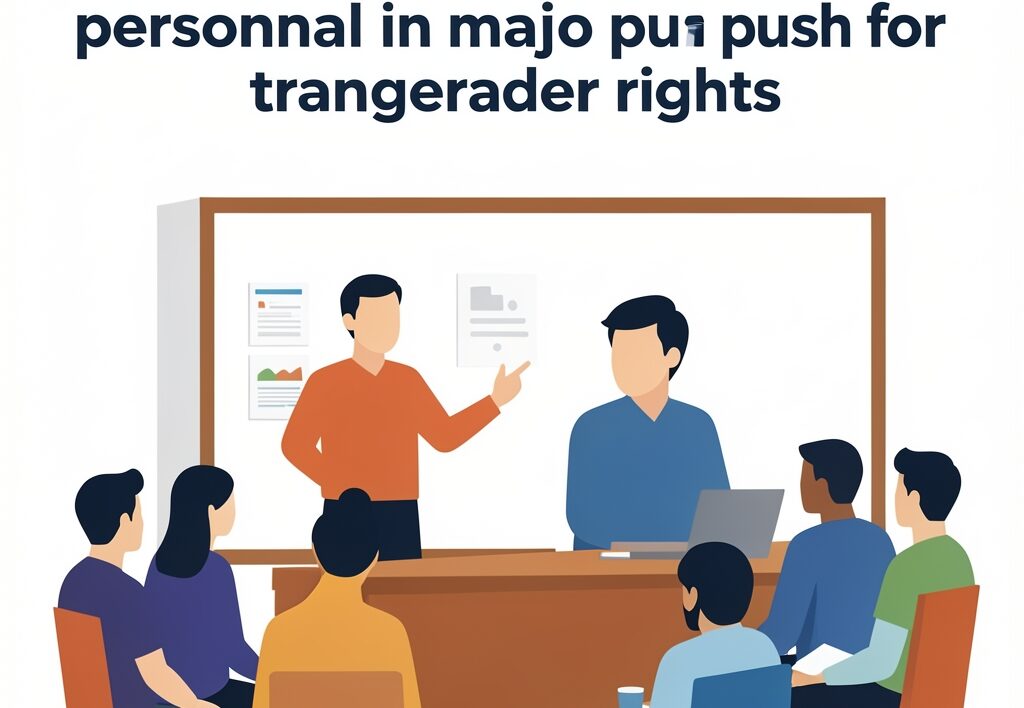
Lucknow police sensitise 120 personnel in major push for transgender rights
Lucknow police launched a targeted capacity-building initiative on Thursday, training 120 frontline personnel at the Reserve Police Lines to handle complaints involving transgender persons with dignity, respect, and strict legal awareness. As urban centers across Uttar Pradesh grapple with institutional accountability—echoing debates seen during heavy monsoon disruption alerts like those tracked in Heavy Rain in Uttar Pradesh: IMD Issues Orange Alert as Monsoon Intensifies Across the State and administrative accountability issues highlighted in Supreme Court Issues Contempt Notice To LDA Vice-Chairman Over Lucknow Coaching Centre Fire Case—ensuring local authorities remain responsive to marginalized communities is a critical step forward for everyday civic life.
Bridging the Gap Between Uniform and Community
The workshop focused on shifting traditional law enforcement reflexes toward an empathetic, non-discriminatory framework. For years, members of the transgender community across UP have faced systemic friction when approaching local police stations for help. By bringing in trainers to outline the legal protections and basic civil rights of transgender individuals, the department aims to dismantle deep-seated biases that prevent victims from seeking timely justice.
The participant roster was deliberately chosen to target everyday public touchpoints across our neighborhoods. The training cohort included:
- Additional inspectors and senior sub-inspectors
- 2023-batch sub-inspectors fresh out of training academies
- Women constables deployed specifically at Pink Booths across the commissionerate
- Beat officers responsible for local dispute mediation
This mix ensures that the officers first encountered by citizens walking into a stationhouse are equipped with the emotional intelligence and procedural knowledge required to file complaints fairly, without harassment or casual dismissal.
Local activists have long pointed out that structural reform in policing starts with ground-level orientation. When an officer understands the specific legal provisions under the Transgender Persons (Protection of Rights) Act, interactions shift from suspicion to support. This operational evolution also touches broader administrative themes seen elsewhere in the state, such as legislative discussions noted in UP monsoon session: CM Yogi urges lawmakers to raise public interest issues, educational scrutiny seen in Gorakhpur University Convocation: Governor Urges Introspection As Girls Outperform Boys, and regional administrative crackdowns like LDA Aliganj Illegal Buildings Crackdown After Supreme Court Reprimand.
Why it matters
Civic safety in a sprawling capital like ours depends entirely on public trust. When marginalized residents hesitate to report crimes or civil disputes due to fear of ridicule or institutional apathy, crime goes underreported and vulnerable populations remain unprotected. By modernizing how ground-level officers interact with everyday citizens, local administration builds a safer, more predictable environment. Similar proactive security measures are currently visible across major UP gatherings, as detailed in Varanasi Sawan security: 5,000 cops and massive CCTV net for Kashi rush and digital security advisories like Prayagraj Cyber Fraud: Fake Government Apps and Utility Scams Target UP Residents.
Furthermore, citizens frequently debate civic ethics and institutional rules across different domains, ranging from local municipal compliance to educational expectations as discussed in Noida Founder Boarding School Rule Sparks Parenting Debate Across Uttar Pradesh and legislative developments such as UP Assembly Adjourned Sine Die Amid Opposition Protests Over Ram Temple Donations; NHAI Suspends Toll on Lucknow-Kanpur Expressway.
True safety in our neighborhoods begins when every resident feels secure walking into a police station knowing they will be heard, respected, and protected under the law.
Whether this localized training expands into a permanent statewide curriculum remains to be seen, but for Lucknow, it represents a tangible improvement in daily civic engagement. Accountability is an ongoing process that requires constant dialogue between citizens and the state.