Lucknow triple murder: Top police brass assure fast-track trial and security to grieving family
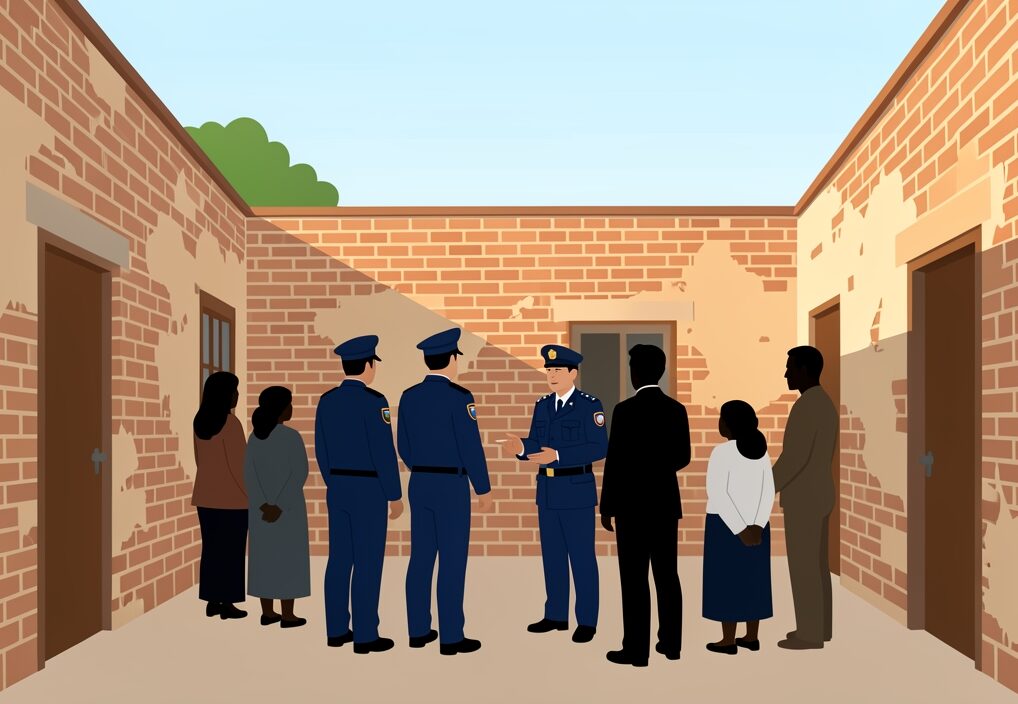
A Lucknow triple murder case has shaken the city’s conscience after top state officials intervened following a deadly escalation in Saadatganj. Four days after three men from a single family were gunned down in broad daylight, additional chief secretary (home) Sanjay Prasad and director general of police (DGP) Rajeev Krishna visited the bereaved household in Brahmani Tola on Friday. They assured the surviving women and children of adequate security, a speedy trial in a fast-track court, and stringent punishment for those found guilty.
The high-level administrative visit comes in the wake of widespread local outrage. Residents have openly alleged that local law enforcement ignored prior complaints of harassment filed against the accused neighbours. As the investigation deepens, authorities are also examining related municipal angles, mirroring recent administrative crackdowns seen elsewhere when Lucknow Triple Murder Investigation Deepens as Police Arrest Five More and LDA Seals Illegal Premises in Saadatganj. The initial October 24 shooting left three members of the Tiwari family dead following a bitter dispute over parking vacant land and building a platform around a banyan tree.
Escalation of a Neighborhood Dispute
What began as low-level friction over land use and parking in Saadatganj deteriorated into irreversible tragedy. Chilling videos surfaced on social media showing the accused, 29-year-old Rishabh Shukla, opening fire on Shivendra Tiwari, his elder brother Shivaji Tiwari, and their nephew Suyash Tiwari. The harrowing footage captured the gunman pacing the street with a pistol, shouting that he acted in self-defence.
For residents across the city, the incident forces an uncomfortable conversation about how ordinary civic disputes are allowed to fester until they turn lethal. Similar simmering tensions often boil over in residential pockets, requiring proactive local mediation rather than reactive policing. Comprehensive safety discussions, such as those prompted during administrative drives like CM Yogi Orders Strict Festive Security and Traffic Management in Lucknow, highlight the constant demand for reliable public order across neighbourhoods.
Further compounding public anxiety are recurring incidents of violent confrontations across urban spaces, ranging from tragic residential fallouts to workplace clashes reminiscent of the flashpoints documented in Lucknow Crematorium Murder: Contractual Worker Killed Over Video Dispute at Baikunth Dham and the fatal apartment fall reported in Lucknow café owner death: Family alleges murder after fatal fall from apartment building. These cases point to a broader societal need for accessible, swift local grievance redressal before minor arguments escalate into irreversible bloodshed.
The Police Response and Manhunt
In response to the mounting pressure from grieving relatives and local residents, the police machinery has swung into high gear. According to reports from Hindustan Times, investigators have formally declared a cash reward of ₹25,000 each for information leading to the arrest of two absconding suspects: Rajesh Shukla alias ‘Tunnu’, who is the prime accused’s uncle, and his sister Divya.
Detailed accounts of the horrific chain of events, including the viral clips capturing the execution, have been documented extensively by local journalists, as noted in the coverage of the Hindustan Times report on the shooting. As the net widens, the parallels drawn by citizens to previous localized flashpoints—such as the volatile events surrounding the Lucknow parking dispute turns fatal as ex-merchant navy officer guns down three family members in Saadatganj—emphasize that municipal authorities must clamp down heavily on illegal encroachments and unverified firearm ownership.
Why it matters
This tragedy transcends a localized neighborhood feud, serving as a critical litmus test for urban safety and administrative accountability in Uttar Pradesh. When routine civic disagreements over parking and property boundaries escalate into public executions, residents lose faith in the social contract. For families living across Lucknow’s dense mohallas, the assurance of a fast-track trial is a necessary first step, but rebuilding trust requires systemic reform in how local police handle early warning signs of harassment and intimidation.
Key Takeaway: The intervention by top state officials offers a measure of reassurance to the grieving family, but permanent safety in Lucknow’s neighborhoods will depend on proactive police response to minor disputes before they turn fatal.