Mission Shakti 6.0: UP Police Reaches Out to Vulnerable Women in Shelter Homes Across State
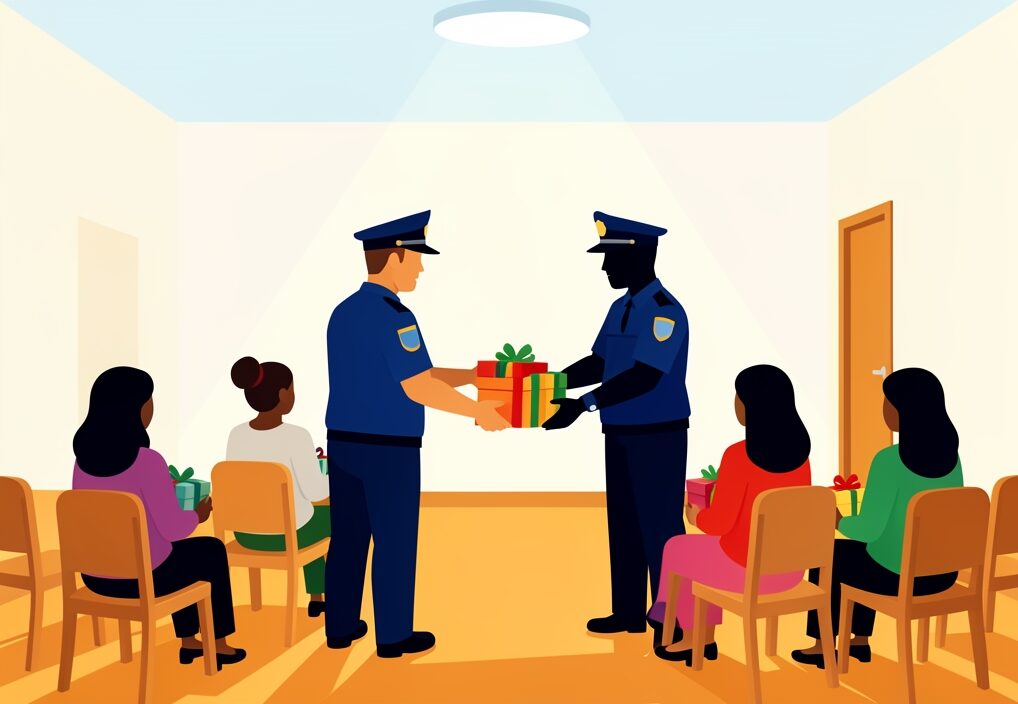
Mission Shakti 6.0 rolled across Uttar Pradesh this week, blending administrative outreach with festive cheer as law enforcement officers stepped inside state-run protection facilities. On October 14, senior state officials and gazetted police personnel visited 314 shelter and protection homes. They distributed nearly 22,000 packets containing food supplies, sarees, and warm blankets to 12,870 women and girls. Designed to bridge the gap between uniform and community, the initiative aims to make safety and dignity tangible during the peak of the Dussehra and Diwali season right here in Uttar Pradesh.
The campaign, running from October 11 to 20 under the leadership of Chief Minister Yogi Adityanath, shifts the needle from standard policing toward active social engagement. For residents in Lucknow and across UP districts, these drives represent a broader push to integrate marginalized citizens into public festivities. Similar administrative efforts have previously intersected with public safety initiatives, such as the cyber awareness drives highlighted when the Nana Patekar Lucknow Visit Boosts UP Police Cyber Campaign or administrative changes seen when the UP Police Brass Reshuffled: 18 IPS Officers Moved in Major Administrative Overhaul took place. Ground-level outreach relies heavily on these institutional shifts to ensure protection frameworks reach vulnerable populations effectively without unnecessary bureaucratic friction.
Beyond Enforcement: The Human Side of State Safety Drives
Security in urban centers requires more than patrol cars and checkpoint checks. By bringing festive packages directly into shelter homes, the police machinery attempts to foster trust among individuals who often remain outside mainstream civic life. This welfare push runs parallel to stricter enforcement actions across districts. State anti-Romeo squads registered 383 cases and arrested 415 individuals during the concurrent statewide sweep. Balancing punitive measures with empathetic community interaction remains a delicate task for local administration, drawing scrutiny and support alike from legal observers—comparable to discussions sparked when the Allahabad High Court Raps UP Police Over Unlawful Detention, Demands Better Training.
Community policing models in Lucknow have slowly evolved over the years, aiming to reduce the intimidation factor traditionally associated with police uniforms. When families see officers delivering blankets and sweets rather than just investigating incidents, it builds a localized bridge of confidence. This grassroots approach matters deeply in shelters where residents are rebuilding their lives after facing severe personal or social hardships.
- Distribution covered food essentials, sarees, and blankets for 12,870 women and girls.
- Events spanned 314 protection and shelter homes statewide.
- State anti-Romeo squads registered 383 cases alongside the welfare drive.
Safety frameworks must also evolve alongside institutional accountability. Reform discussions in the state capital often touch upon gender-sensitive protocols, echoing the standards promoted when the UP Police Directives Ban Blaming Sexual Crime Survivors in New Gender-Sensitive Protocol were issued. Whether tracking recruitment updates like the UP assistant teachers recruitment deadline extended to October 28 for 12,405 posts or monitoring regional security, Lucknawi readers watch closely to see how institutional mandates translate into everyday street-level reality.
Why It Matters
For everyday citizens, students, and families living in Lucknow, state-backed safety campaigns signal how civic administration handles public vulnerability during high-stress festive periods. When police departments step beyond criminal enforcement into direct welfare distribution, it alters the public perception of law enforcement from a reactive force to a community pillar. Bridging welfare with security creates an environment where marginalized residents feel acknowledged rather than merely monitored. As Mission Shakti 6.0 continues through October 20, its long-term success will be judged by how lasting these community bridges prove to be once the festive lights come down across our neighborhoods.
Sources: