Noida Air Pollution Surge Following Diwali Sparks Urgent Health Concerns Across Uttar Pradesh
Noida air pollution levels spiked dramatically on Monday, leaving doctors grappling with a sudden influx of patients suffering from severe respiratory distress following Diwali celebrations. Monitoring stations recorded an alarming air quality index of 327, placing the national capital region city firmly in the ‘very poor’ bracket. Across Uttar Pradesh, urban residents watching the smog roll in are asking familiar questions about how seasonal festivities collide with chronic environmental hazards and daily urban realities.
The aftermath of firecracker emissions and stagnant weather conditions created a toxic blanket over Delhi and neighbouring Noida. Official data indicates that roughly 80% of operational monitoring stations recorded ‘severe’ air quality between late night celebrations and early morning hours. For people living across the state, this recurring winter crisis underscores an urgent need for proactive governance, transparent local enforcement, and better municipal preparedness before smog blankets our cities year after year.
Hospitals Report Rising Respiratory Distress Cases
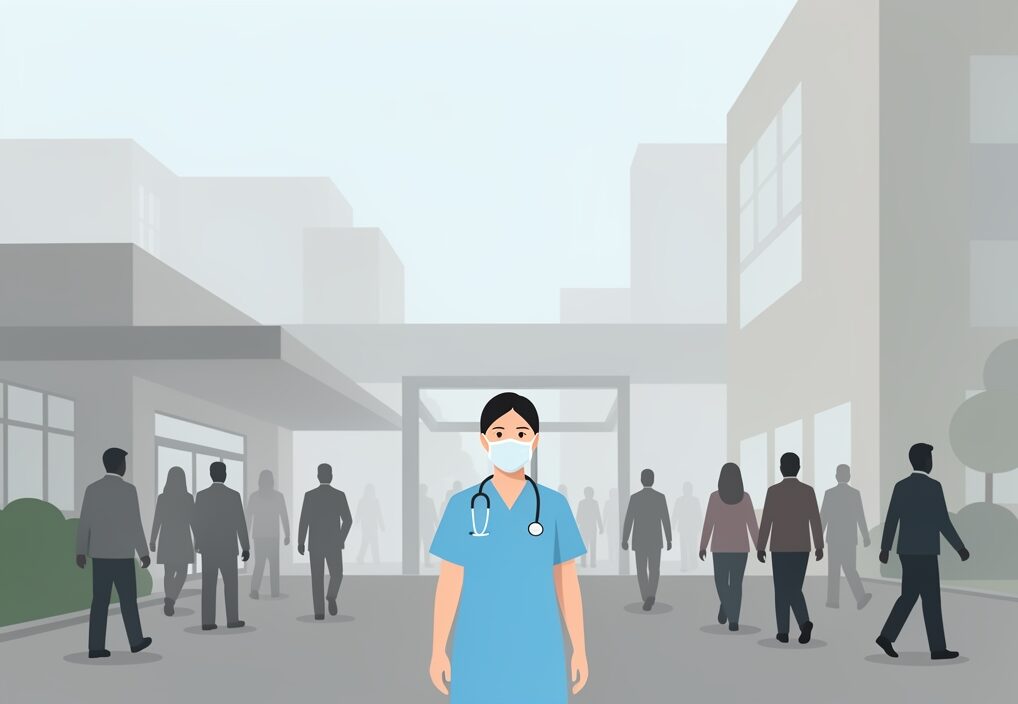
Medical professionals are witnessing an immediate strain on urban healthcare infrastructure. At Fortis Hospital in Sector 62, pulmonologists report managing between 20 and 30 new patients every day presenting with acute allergic airway diseases, severe asthma exacerbations, persistent coughs, and sudden breathlessness. Crucially, clinicians note that these symptoms are affecting individuals who have no previous history of chronic respiratory ailments.
The human toll goes beyond statistics. Families across the region find themselves trapped indoors, scrambling for air purifiers and medical consultations as throat irritation and wheezing become widespread. Similar environmental pressures have previously been felt closer to home, as seen when Lucknow air quality plunges into poor category ahead of Diwali celebrations, demonstrating that seasonal smog is a statewide systemic challenge rather than an isolated metropolitan glitch.
Furthermore, the compounding effects of dust from unceasing infrastructure development worsen these conditions. Residents often deal with particulate matter blown from open excavation sites, echoing concerns raised when Lucknow air pollution spikes as unceasing road digging leaves residents choking in dust. When festive smoke mixes with everyday construction particulate, the air becomes hazardous for children, the elderly, and outdoor workers alike.
Beyond air quality, urban centers across the state face intersecting administrative hurdles. Rumours and misinformation often add panic during festive windows, reminding citizens of unrelated administrative cleanups such as when local authorities tackled fake notices, similar to when Noida Police debunks fake news claiming Supreme Court mandated Diwali bonus. Clear communication from civic bodies remains essential to keep public focus on real hazards like particulate matter and vehicular emissions.
Protecting Health While Awaiting Structural Solutions
Medical experts have issued urgent advisories urging residents to take immediate self-protection measures. Key preventive steps include:
- Regularly tracking local air quality indices before stepping out.
- Wearing properly fitted N95 masks during outdoor commutes.
- Suspending high-intensity outdoor jogs or workouts during poor air quality windows.
While individuals can mask up and limit exposure, long-term relief requires robust civic intervention. Strict dust mitigation at building sites—such as those monitored under rules like Noida construction sites theft: 5 arrested over 60 quintals iron rebars theft—and better municipal coordination are essential. Citizens navigating urban spaces also benefit from reliable regional transit planning, similar to efforts seen with Yeida traffic booths planned around Noida airport corridor to boost regional safety.
Other urban districts in Uttar Pradesh are also wrestling with environmental and seasonal safety protocols. While neighbouring towns experiment with controlled guidelines such as Ghaziabad green firecrackers sales plan sets safety precedent ahead of Diwali, compliance gaps remain wide. At the same time, regional identity and pride occasionally shine through large-scale public spectacles, reminiscent of occasions like the Varanasi air show where Indian Air Force displays fighter might over the Ganga. Yet, residents balancing festive joy with public health realize that clean skies must remain the baseline priority.
The sharp spike in post-Diwali hospital visits serves as a stark reminder that urban air quality remains a public health emergency requiring year-round accountability from civic authorities.
Why It Matters
For residents, students, and families across Uttar Pradesh, the annual post-festival smog cycle disrupts daily life and threatens long-term cardiopulmonary health. Understanding these trends helps communities demand better urban planning, stricter emissions controls, and transparent environmental monitoring across every district.