
Lucknow State Museum
The State Museum is the old one, the museum Lucknawis mean when they say they are going “inside Banarasi Bagh” after the zoo. It stands in the Nawab Wajid Ali Shah Zoological Garden precinct, on the Narhi / Hazratganj side of town. Do not confuse it with the Folk Arts Museum or a private gallery.
This is one of India’s older museums. The collection began in 1863. Families come because the building is next to Lucknow Zoo, school groups come for sculpture and coins, and a few visitors come only for the Egyptian mummy and then look faintly surprised by how much else is in the cases. Give it two hours. The zoo lawns can wait.
From Kaiserbagh rooms to Banarasi Bagh
In 1863 Colonel Saunders Alexius Abbott, then commissioner of Lucknow, housed a civic collection in Choti Chattar Manzil at Kaiserbagh. It ran as a municipal holding until 1883, when it was given the status of Provincial Museum. In June 1884 the museum moved into Lal Baradari, the old coronation hall of the Nawabs. An archaeological section was organised in 1909, and a management committee was formed the same year. Emanuel Bonavia, a surgeon, was the first superintendent, from 1867. Archaeologist A.A. Fuhrer became the first curator in 1885. Finds from Kankali Tila at Mathura and later digs at sites such as Ahichchhatra fed the early stone and terracotta rooms.
After Independence the institution was renamed the State Museum in 1950. The collection had outgrown the old halls. A new, independent building was raised in Banarasi Bagh, in the middle of what was then the Prince of Wales Zoological Gardens, and inaugurated by Prime Minister Jawaharlal Nehru in 1963. That is the building you enter today. The zoo grew around it. The museum did not move to Gomti Nagar, and it is not the same place as Indira Gandhi Pratishthan or any newer city museum.
Galleries worth slow looking
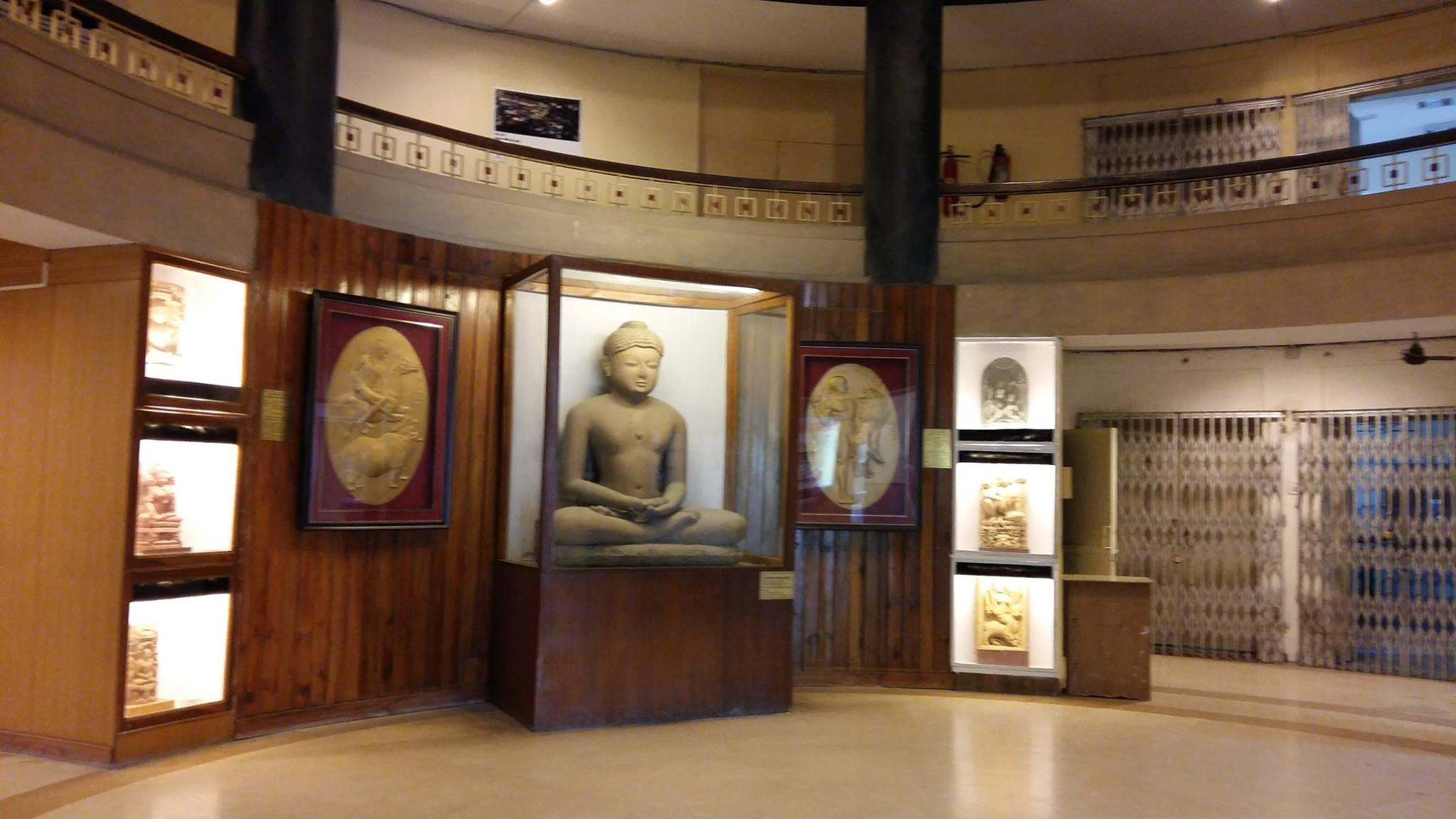
The archaeological rooms are the spine: Stone Age tools, Bronze Age objects, terracottas, and a strong run of Buddhist, Jain and Brahmanical sculpture, including Gandhara work and Gupta-period pieces. The Mankuwar Buddha, dated in the reign of Kumaragupta, is one of the sculptures scholars still cite. Hindu images from later centuries, Pala work, and a large reserve of metal sculptures sit behind and around the public cases. You will not see everything. What is on display is still enough to tire the feet.
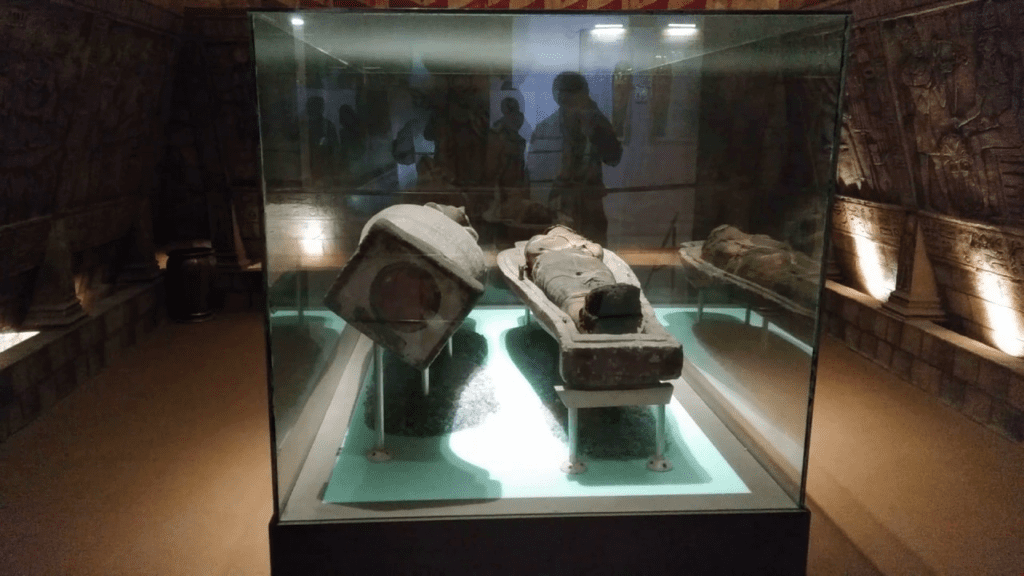
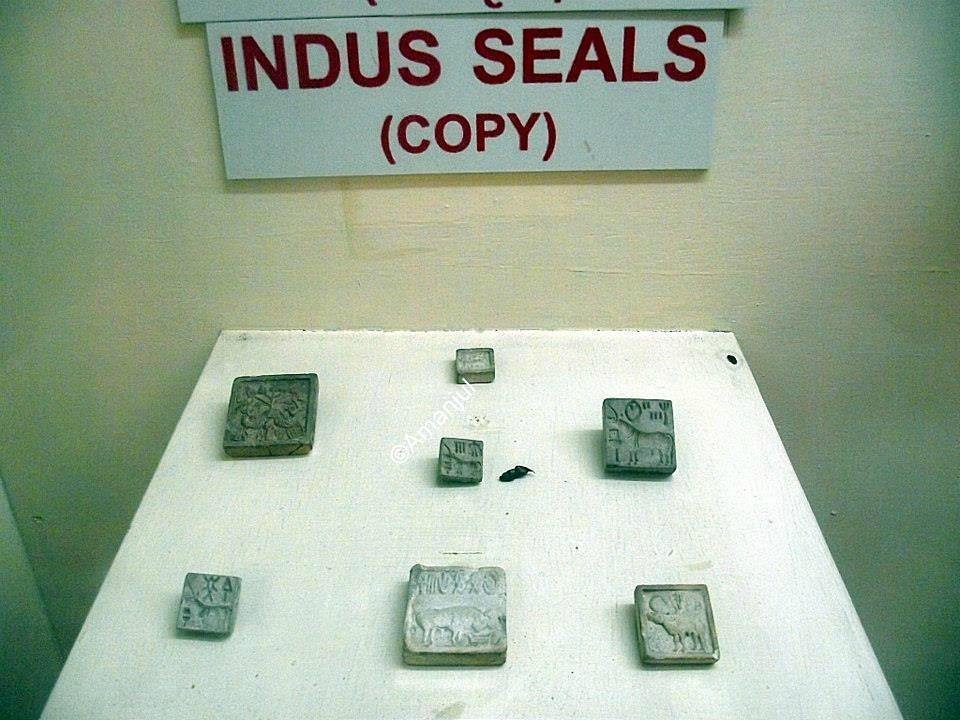
The Egyptian gallery, with a mummy and coffin, is the room children remember. Coins are another quiet strength. The Uttar Pradesh Coin Committee has long been tied to this museum, and the holdings run from early Indian punch-marked pieces through Sultanate, Mughal and Awadh issues. Most coins stay in reserve; a sample is shown. Paintings include Mughal and Pahari miniatures, a Jain Kalpasutra, Tanjore and thangka work, and manuscripts such as a Padmavat dated 1593. The Awadh gallery, grown from a 1985 exhibition, holds bidri, ivory, glass, chikankari and jamdani, with court objects from the Nawabi period. Natural history, weapons, decorative arts and a small set of musical instruments fill other floors.
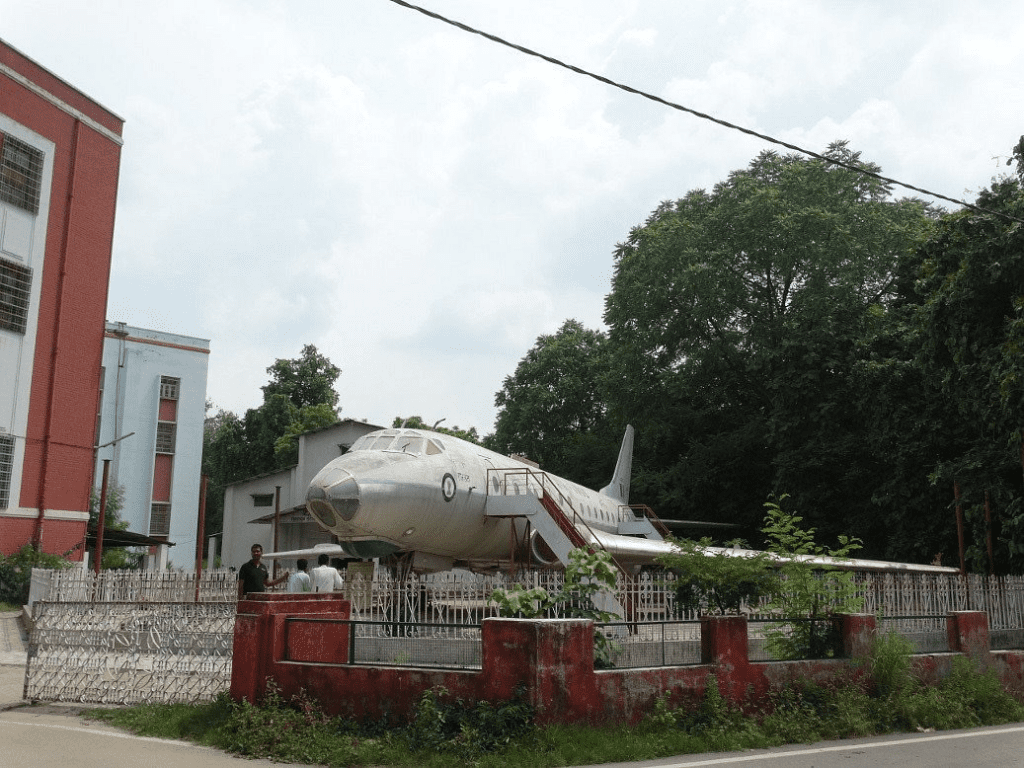
Outside, visitors still stop at the old aircraft on the lawn. Inside, look at the sculpture rooms before you run out of attention. A library and conservation lab serve scholars on request; they are not extra public galleries.
Hours, tickets, closed days
The museum is widely listed as closed on Mondays. Many official and museum-directory pages give visiting hours of about 10:30 am to 4:30 pm, Tuesday to Sunday. Some news reports have printed longer clocks. Public holidays can close the building even when a directory says otherwise. Last ticket is usually a little before closing. Confirm the day’s hours at the counter, or by phone with the museum, before you cross town.
Entry is modest, but printed rates disagree. Older museum listings still show a few rupees for Indian adults and a higher foreigner fee. News reports in recent years have quoted figures around Rs 12 for Indian adults, Rs 5 for children, a camera fee, and a much higher foreigner ticket. Visitor notes also say you must buy the zoo ticket first, because the museum sits inside the zoo precinct, then a second ticket at the museum door. None of those numbers should be treated as frozen. Pay what the window asks on the day. School groups are often admitted on a concession; carry a letter if you are bringing a class.
Address: Banarasi Bagh / Narhi, Hazratganj, inside the zoo complex. Charbagh is the nearest large station. Combine the visit with the zoo rather than treating the museum as a separate pilgrimage across the city.
Nearby
You are already next to Lucknow Zoo. A short drive takes you to La Martiniere College and Dilkusha Kothi, or back toward the British Residency and Chattar Manzil. The Imambara stretch, Chota Imambara and Rumi Darwaza, is the other classic half-day. For a wider list, see Lucknow places.
Go on a weekday morning if you want the sculpture rooms without a school crowd. This museum has been gathering Uttar Pradesh’s stones since the 1860s, long before the present building, and long before the zoo took the Nawab’s name.
\n\n
FAQs
What is Lucknow State Museum and why visit?
It is the state museum at Banarasi Bagh — galleries of sculpture, coins, paintings and regional history for a slow indoor hour.
What can visitors do there?
Walk galleries with time for labels. It pairs naturally with the zoo next door when weather is ugly outdoors.
What are the timings or entry arrangements?
Follow the museum’s posted hours and ticket board; closed days and fees change, so confirm at the gate rather than an old blog.
How do I reach it and what should I know before going?
Banarasi Bagh with the zoo cluster. For a rainy-day sequence see also Regional Science City in Aliganj.
How long should I spend and what can I pair nearby?
Ninety minutes to two hours. Pair with Lucknow Zoo or skip straight to a cafe if children are done with labels.