Prayagraj Food Hubs Expansion Offers New Culinary Spots for UP Visitors
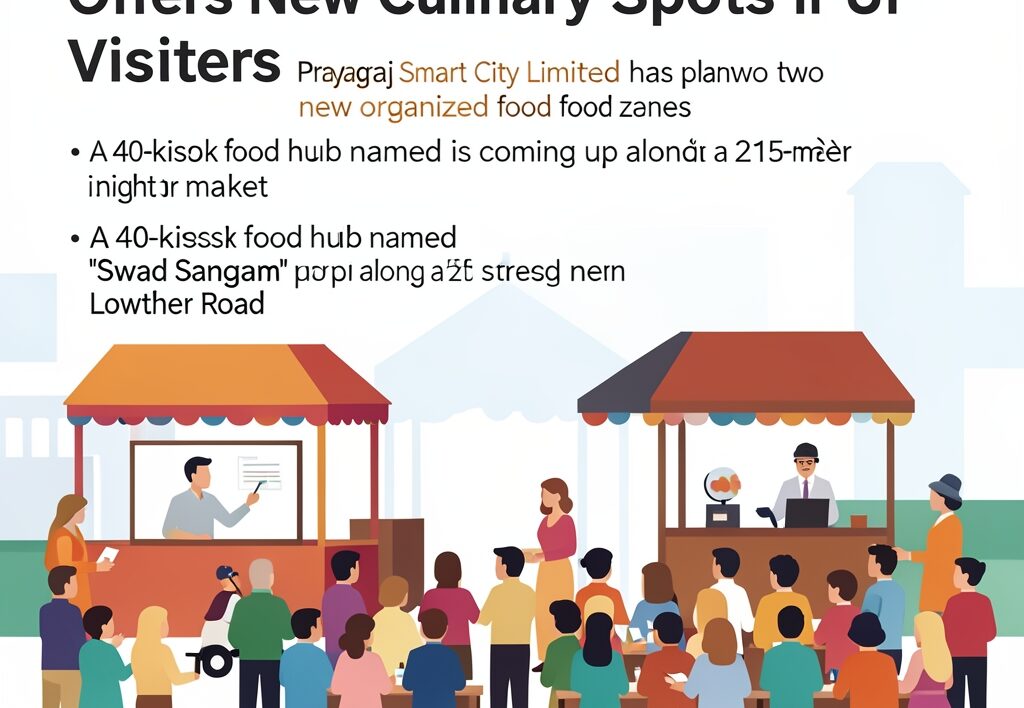
Prayagraj food hubs are set to expand significantly as Prayagraj Smart City Limited invites private operators to develop two major culinary destinations. According to a report by Hindustan Times, following the runaway success of the city’s night market, authorities announced plans for a 40-kiosk facility on Lowther Road and a riverfront pavilion at Kali Ghat along the Yamuna. For food enthusiasts and travelers from Lucknow and across Uttar Pradesh, these upcoming projects promise structured spaces to sample regional delicacies in clean, organized environments.
Urban authorities across Uttar Pradesh are increasingly recognizing how organized public spaces drive local commerce and evening tourism. Much like residents of the state capital exploring Lucknow’s iconic food spots, visitors to Prayagraj have shown an enormous appetite for vibrant street food experiences. Civic planners are capitalizing on this momentum by bringing private operators on board to manage hygiene, vendor alignment, and infrastructural consistency, steering away from ad-hoc roadside setups that often choke local traffic.
Street vending in historic UP cities has traditionally operated on an informal, fragmented scale. While this gave neighborhoods their distinct charm, it also created severe sanitation bottlenecks and pedestrian hurdles. By shifting vendors into dedicated bays, municipal corporations are protecting micro-enterprises while elevating urban standards. This transition mirrors how modern city planning attempts to marry heritage with contemporary civic convenience.
Swad Sangam and Yamuna Riverfront Projects
The first of the two approved ventures is officially titled “Swad Sangam”. Situated along a nearly 215-metre stretch near the Medical College crossing on Lowther Road, this designated hub will house up to 40 specially designed food carts and kiosks. Private operators will shoulder the responsibility of onboarding multiple vendors, ensuring a balanced mix of traditional snacks and contemporary street bites.
Complementing the Lowther Road site, the second development focuses on scenic urban aesthetics. A riverfront food pavilion is slated for Kali Ghat along the Yamuna river. This location leverages natural waterfront views to attract evening crowds, offering diners an open-air environment distinct from typical enclosed eateries. Both sites reflect a shift toward structured urban vending that protects traditional street food culture while improving civic order.
Furthermore, these zones are designed to operate under strict waste management protocols. Private housekeeping teams will handle daily garbage collection, grease traps, and water supply hookups—amenities that individual roadside vendors struggle to maintain on their own. For everyday patrons, this means a reliable standard of cleanliness without losing the authentic taste of local street specialties.
- Lowther Road hub (“Swad Sangam”) features 40 specialized kiosks near the Medical College crossing.
- Kali Ghat pavilion introduces a scenic riverfront dining option along the Yamuna.
- Private operators will handle layout, vendor onboarding, and daily maintenance.
- Strict waste management protocols will ensure clean public dining areas.
What This Means for Travelers and Regional Commerce
For visitors traveling between major UP hubs—whether they are exploring student initiatives like the youth outreach programs in Prayagraj or navigating everyday administrative shifts tracked via local safety advisories—these developments offer reliable places to eat. Organized food zones also prevent the chaotic traffic congestion traditionally associated with unmanaged street food clusters.
The economic impact on small-scale vendors is equally notable. By securing a fixed stall in a high-footfall zone, vendors are spared the constant anxiety of civic anti-encroachment drives. Stable locations allow them to invest in better ingredients, uniform branding, and digital payment acceptance, which broadens their customer base among tech-savvy youth and tourists from other states.
At the same time, this initiative mirrors broader state-level economic shifts. While western districts witness heavy interest in industrial vehicle scrappage units, central and eastern UP cities are channeling investments into tourism, hospitality, and consumer services. Students, families, and tourists benefit from cleaner public amenities that elevate the urban experience without losing local character.
Structured food destinations successfully balance the raw charm of local street food with the hygiene, safety, and modern convenience expected by contemporary urban consumers.
Why it matters
Urban infrastructure projects often focus solely on roads and transit, overlooking the social spaces where communities actually gather. By formalizing night markets and creating dedicated culinary pavilions, municipal authorities are reshaping how residents interact with their cities after dark. These hubs stimulate micro-entrepreneurship, give local vendors stable platforms, and provide safe recreational spaces for families and students alike.
Safe public spaces also have a direct bearing on community well-being. Well-lit food plazas with active foot traffic naturally deter petty crime and create welcoming environments for women and families returning late from work or studies. When municipal bodies invest in night-time economies, they signal that the city belongs to all residents around the clock, not just during peak business hours.
As these projects move from blueprints to reality, they offer a working model for other Tier-2 cities in Uttar Pradesh looking to boost evening economies. Whether you are tracking rural welfare updates or planning a weekend culinary road trip down the highway, Prayagraj’s evolving food street landscape is worth keeping on your radar.