Samajwadi PDA Rath Campaign Launches in Rae Bareli as Akhilesh Yadav Secures 2027 Alliance Alignment
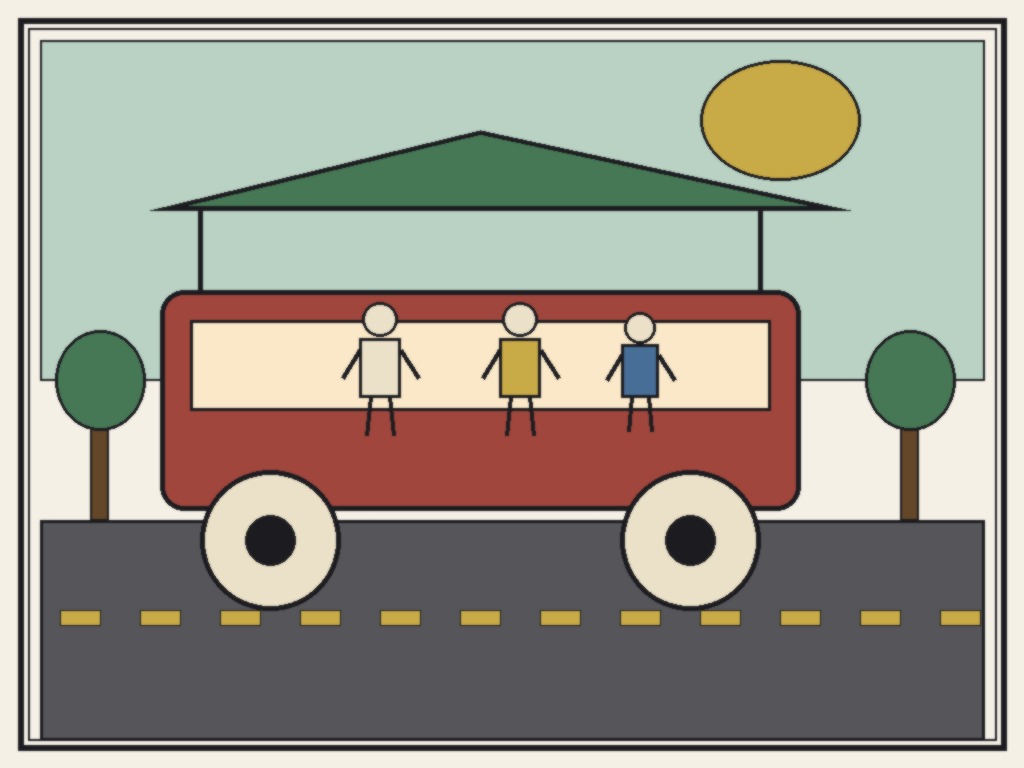
As the Samajwadi PDA Rath rolled out in the Congress stronghold of Rae Bareli on Thursday, Samajwadi Party national president Akhilesh Yadav officially fired the opening salvo for the 2027 Uttar Pradesh assembly elections. Completing a grueling five-hour journey atop the custom-built vehicle, Yadav reached the Government Inter College ground to address a charged public gathering. According to reports from the Hindustan Times, the launch sets the tone for future opposition strategies across the state, keeping local residents and the wider diaspora tracking regional developments closely.
Speaking to the media after concluding the yatra, Yadav sought to quell speculation regarding internal friction within the opposition bloc. He reiterated that the alliance with the Congress party is robust and functioning smoothly. “I have said it earlier also and today once again I am saying that our alliance is very strong and we will work for the alliance,” Yadav stated, driving home the point that unseating the ruling administration remains their unified target. Earlier during the day’s events, the former chief minister focused his criticism on the Election Commission, made a sharp pitch for social justice, and brought up the contentious temple donation issues.
Political Ripple Effects Across Lucknow and Central UP
For observers tracking political currents from Lucknow to Delhi, the choice of Rae Bareli holds immense symbolic weight. By launching the campaign from a historic opposition bastion, the Samajwadi Party aims to signal a unified front early in the electoral cycle. This move mirrors broader strategic positioning seen across party lines, where state leaders are already laying groundwork—much like the high-stakes strategy sessions held by rival camps or local protests that shape urban discourse, as noted in discussions surrounding the Sanjay Nishad protest in Lucknow and ongoing alignments detailed in analyses of Sanjay Nishad Uttar Pradesh alliance updates. Furthermore, parties are intensely locking their messaging, echoing previous thematic rollouts similar to when the Samajwadi PDA yatra bus reached Lucknow.
Local political watchers point out that grassroots mobilization is starting much earlier this cycle compared to previous years. With multiple factions ramping up their ground presence—competing with initiatives like the ruling party’s roadmap, referenced in reports on the BJP 2027 polls roadmap and high-level strategy sessions like BL Santhosh Lucknow meetings—voters across the state are bracing for a prolonged campaign season. Opposition leaders are also keeping a close eye on administrative actions, frequently raising concerns about institutional independence, a theme that echoes past confrontations regarding Akhilesh Yadav’s demands to the CEC and critiques of local law enforcement operations as seen in past debates over Akhilesh Yadav’s Lucknow critique.
Why It Matters
Electoral campaigns in Uttar Pradesh dictate not just who holds power in Lucknow, but also steer massive developmental spending, administrative priorities, and civic policy implementation across every district. For ordinary residents, students, and local business owners, an early and aggressive campaign season means that civic grievances, local infrastructure demands, and socio-economic debates will take center stage well ahead of polling day. Understanding these realignments helps citizens anticipate policy shifts and public discourse in the months leading up to 2027.
- The campaign launch signals an early consolidation of opposition votes in central Uttar Pradesh.
- Public messaging heavily emphasizes social justice and accountability frameworks.
- Alliance durability between regional players and national parties will heavily influence district-level electoral outcomes.
The ultimate success of these mobilization efforts will depend on how effectively opposition parties translate grassroots grievances into cohesive voting patterns over the coming months.