UP seed dealer licences cancelled in statewide crackdown ahead of rabi season
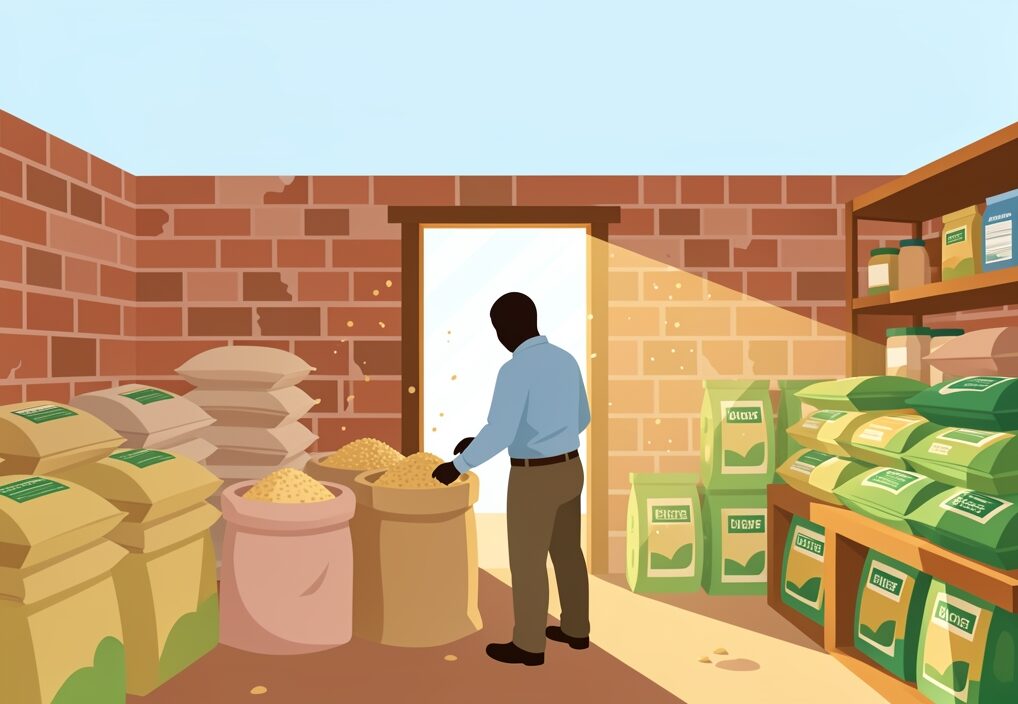
The Uttar Pradesh government has cancelled seed dealer licences for five establishments and banned operations at five others during a rigorous statewide crackdown ahead of the rabi sowing season. Directed by state authorities following October orders, agriculture officials have fanned out across districts to inspect retail outlets and protect rural livelihoods from substandard farm inputs. For farming communities across the state, access to reliable seeds at government-prescribed rates is the single most critical factor determining harvest success. Local cultivators in districts surrounding Lucknow rely heavily on timely inputs, making this administrative intervention a vital shield against marketplace fraud.
As winter sets in across Awadh and surrounding regions, the pressure on agricultural supply chains mounts. Local farmers invest their hard-earned savings into wheat and oilseed crops, making them vulnerable to unscrupulous traders selling inferior products. This enforcement surge directly addresses those anxieties, ensuring that administrative oversight reaches local shops before sowing peaks. When local retail networks operate without strict oversight, smallholders face catastrophic crop failures that ripple through rural families and local markets alike.
The state’s administrative apparatus has long grappled with counterfeit agricultural products that cheat rural producers. By tightening checks on commercial vendors, authorities hope to restore trust in certified distribution channels. Similar governance scrutiny is evident in other public sectors across the state, such as the administrative vigilance seen during the Uttar Pradesh Poll Preparedness Reviewed by ECI Ahead of 2027 Elections, reflecting a broader push for institutional accountability. Whether checking administrative readiness for polls or verifying seed stock quality, state agencies are under immense pressure to deliver transparent public services.
Statewide Inspections and Quality Control
During the massive enforcement sweep, field officials conducted surprise inspections at 2,858 locations across the state. Authorities collected a total of 1,865 seed samples for strict quality testing in state laboratories. Alongside the five licences cancelled and five sales bans imposed, inspectors issued show-cause notices to 188 dealers and slapped formal warnings on 26 others for various operational irregularities. These surprise visits disrupt illicit supply networks before compromised seeds reach village markets.
These actions stem from strict instructions issued on October 27, when the state government ordered divisional commissioners and district magistrates to personally oversee surprise checks. State spokespersons confirmed that the enforcement drive will continue unabated to safeguard farmers’ interests. Similar administrative tightening has previously been witnessed in other sectors, mirroring broader governance pushes such as the recent UP Cabinet expressways and Robotics Park Approved in Major Infrastructure Push where regulatory oversight meets heavy state investment. Furthermore, winter safety measures like the UP Expressways Speed Limits Lowered Starting November 1 for Winter Safety show how seasonal administrative interventions protect citizens across different domains.
For urban policy watchers in Lucknow, these rural crackdowns highlight the interconnected nature of the state economy. When agricultural supply chains remain secure, urban mandis experience stable grain arrivals and predictable pricing. Conversely, supply failures in rural districts can spark inflation and hardship across city markets. Sound agricultural governance therefore acts as a stabilizing force for the entire regional economy.
- 5 seed dealer licences cancelled permanently
- 5 business establishments banned from selling seeds
- 188 show-cause notices issued to errant traders
- 1,865 samples collected for laboratory quality checks
Why it matters
For residents and the wider UP diaspora keeping track of state developments, agricultural stability remains the backbone of the regional economy. When seed quality drops, rural debt spirals and urban markets feel the pinch through volatile food prices. Robust administrative crackdowns send a clear warning to black-marketeers operating in local districts. While rural communities grapple with seasonal input costs, urban policy watchers also note how administrative crackdowns intersect with wider political themes, such as debates seen around UP Assembly Elections 2027: Akhilesh Yadav Signals New Political Reality Ahead and regional governance accountability. Effective enforcement ensures that government subsidies and quality standards reach actual cultivators rather than falling prey to local cartels.
Political commentary surrounding upcoming electoral cycles often focuses on rural sentiment and agrarian grievances, mirroring discussions found in analyses like Akhilesh Yadav Flips 80-20 Pitch, Says NDA Capable of Contesting Only 80 Seats Ahead of 2027 UP Polls. When the ruling administration acts decisively against corrupt traders, it sends a powerful signal to rural voters about state responsiveness. Protecting farmers from substandard agricultural inputs is not just an administrative duty; it is a fundamental test of governance credibility across rural Uttar Pradesh.
As testing results trickle in from the 1,865 collected samples, further penal actions are expected against dealers whose stocks fail quality parameters. Farmers are advised to purchase certified seeds only from authorized dealers displaying valid paperwork and government-approved pricing charts. Local administration units have also set up grievance cells where cultivators can report overcharging or suspicious seed quality during the ongoing sowing season.
Other civic developments in the state capital, such as efforts to monitor public health and sanitation or urban air quality trends like Lucknow air quality plunges into poor category ahead of Diwali celebrations, show that citizen welfare remains a constant theme across departments. Similarly, social welfare initiatives like Saksham Anganwadi Kendras Upgrade Transforms Early Education in UP illustrate how grassroots governance touches everyday families. Whether managing rural farm inputs or urban education centres, administrative vigilance remains essential for equitable development.
Source details and official updates can be verified directly via the Hindustan Times report.