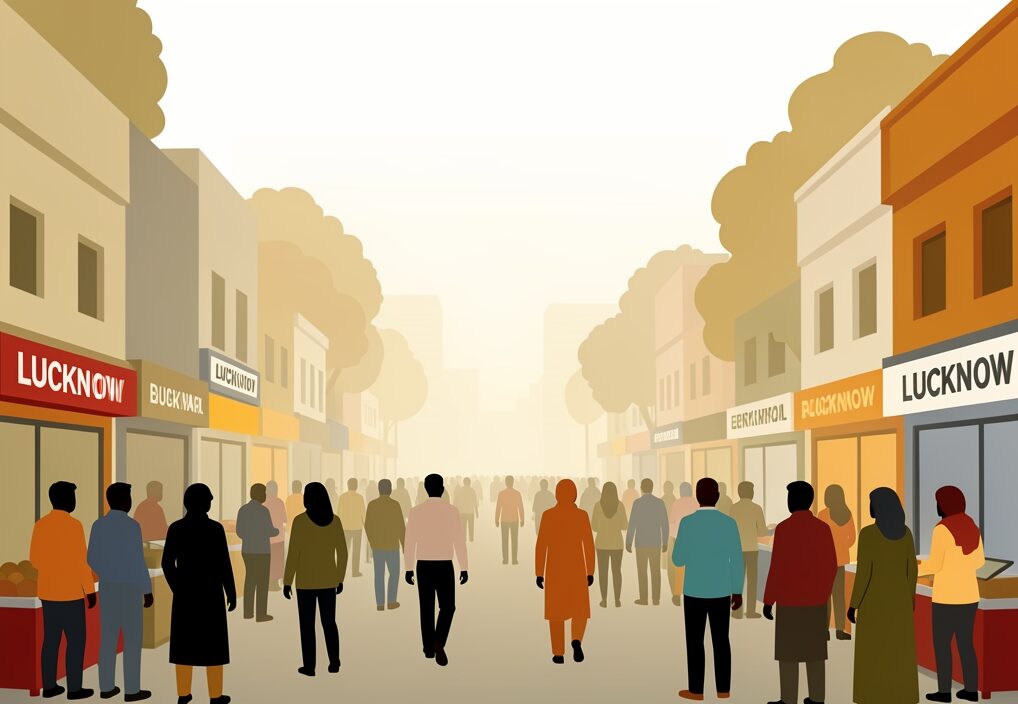
Lucknow air quality plunges into poor category ahead of Diwali celebrations
As residents stepped out for final festive purchases, Lucknow air quality slipped straight into the poor category on Saturday, casting a grey pall over the city a day before Diwali. According to the Central Pollution Control Board’s 4 pm bulletin, the shift from moderate air comes even before the peak of firecracker burning, catching neighborhoods off guard and raising health concerns across the capital. Families out buying sweets and diyas found themselves squinting through a thick morning haze that lingered well past noon.
The sudden drop in air quality points to a compounding urban crisis. While festive preparations bring vibrant life to local markets—echoing trends seen when Dhanteras automobile sales in Lucknow projected to soar past ₹150 crore—they also trigger massive vehicular jams. Environmental analysts note that relentless vehicular movement due to the pre-Diwali rush is aggressively adding particulate matter to the atmosphere, compounding existing urban stressors much like how Lucknow air pollution spikes as unceasing road digging leaves residents choking in dust. At the same time, authorities have rolled out Lucknow Festive Security: Undercover Cops Deployed in Markets to manage crowds, though traffic congestion remains an uphill battle.
Neighborhood Breakdown: Where the Smog Hits Hardest
The CPCB monitoring stations laid bare a stark geographical divide across the city. Lalbagh, situated in the bustling city centre, logged the worst reading with an Air Quality Index of 282, teetering dangerously close to the very poor threshold.
Residential and commercial pockets did not fare much better across the urban sprawl:
- Kendriya Vidyalaya station in Aliganj hit 264.
- Talkatora station in the industrial area recorded 252.
- BR Ambedkar University, Gomti Nagar, and Kukrail Picnic Spot recorded comparatively lower readings at 145, 158, and 142, respectively.
This uneven distribution shows that central and commercial hubs bear the brunt of localized congestion. It also runs parallel to other seasonal health worries in the city, such as how Scrub Typhus Testing Surges in Lucknow As Seasonal Infections Overlap, putting vulnerable populations under dual pressure from respiratory irritants and vector-borne ailments. Meanwhile, public safety remains a priority on roads where Lucknow Road Accidents Claim Three Lives in Alambagh and BKT, reminding commuters to stay cautious amidst the festival rush.
Looking Ahead: Why the Worst is Yet to Come
Meteorologists and pollution experts warn that the current numbers are merely a prelude to heavier atmospheric strain. With firework celebrations anticipated to peak on festival night, the AQI is widely projected to cross the 300 mark, plunging Lucknow into the very poor bracket. The last time the city breathed air this foul was on November 4, when the AQI stood at 223.
City administrators face a perennial balancing act between age-old festive traditions and public health safety. As traffic management tightens—with measures reminiscent of periods when authorities grappled with Allahabad HC Asks CBSE to Fix Lucknow School Traffic Chaos—citizens are urged to exercise caution. Families planning outdoor visits should monitor real-time updates, especially for children and the elderly.
The immediate takeaway for residents is clear: limit unnecessary outdoor exposure over the next forty-eight hours as local pollution levels peak.
Why it matters
For everyday life in Lucknow, worsening air quality transforms a time of joyous celebration into a health hazard. Families balancing festive gatherings must now weigh the traditions of firecrackers against immediate respiratory risks. Understanding these local pollution spikes helps residents plan their celebrations safely, keeping vulnerable family members indoors while authorities navigate broader urban management challenges.
Sources: Hindustan Times