Uttar Pradesh Cattle Rescue System Launches District-Level Emergency Care
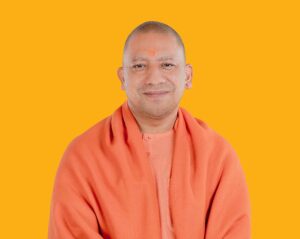
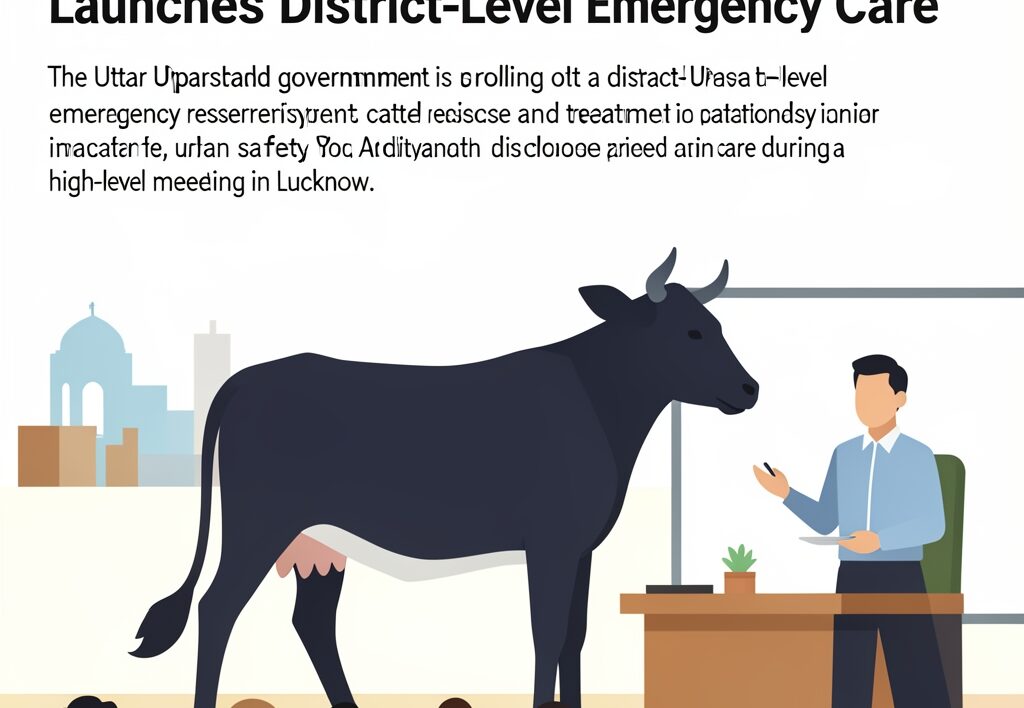
The Uttar Pradesh cattle rescue framework is getting a major overhaul. Chief minister Yogi Adityanath met with the chairman and officials of the Uttar Pradesh Go Seva Ayog at his official residence in Lucknow on Saturday to finalize plans for a dedicated emergency response network. Designed to deliver immediate medical attention to animals injured in road mishaps, the system will operate across every single district in the state.
For residents navigating city streets and rural highways alike, stray cattle collisions have long posed severe safety and humanitarian risks. This newly announced initiative aims to cut response times and coordinate emergency care before injuries become fatal. Alongside accident rescue, the discussion focused on tightening management protocols inside community gaushalas and linking animal protection efforts directly with rural livelihood programs across the state.
Tackling Disease Prevention and Scientific Research
Beyond emergency transport and trauma care, the state administration is tightening surveillance over livestock health. Chief minister Adityanath explicitly instructed veterinary departments to prioritize timely vaccinations. The core objective is blocking the spread of crippling afflictions like Lumpy Skin Disease and Foot-and-Mouth Disease. Officials received strict warnings that any administrative negligence regarding disease prevention or cattle welfare will trigger immediate disciplinary action.
The state is also institutionalizing traditional veterinary science through modern research pipelines. Authorities have been directed to scale up scientific investigations into Panchgavya-based medical treatments. Key institutions tasked with this research include the Pandit Deendayal Upadhyaya Veterinary Science University and Cow Research Institute in Mathura, alongside the Government Ayurvedic College located right here in Lucknow. Bringing traditional medicine into structured trials offers a distinct path for local animal husbandry.
- District-level emergency medical deployment for mishap-hit livestock.
- Mandatory vaccination drives targeting Lumpy Skin and Foot-and-Mouth diseases.
- Research partnerships between Mathura veterinary institutions and Lucknow’s Government Ayurvedic College.
Administrative Groundwork and Civic Accountability
Translating state-level directives into functional local infrastructure requires strict oversight at the municipal and panchayat tiers. District magistrates have been tasked with monitoring response vehicles and ensuring that local shelters have adequate fodder, medicines, and veterinary staff. In urban pockets like Lucknow, Kanpur, and Varanasi, stray animal movement often peaks during seasonal transitions, making rapid-response helpline numbers an absolute necessity for commuter safety.
Civic bodies face mounting pressure to bridge the gap between policy formulation and everyday execution. When stray cattle receive prompt medical triage, it alleviates distress on overcrowded municipal pounds. At the same time, rural communities benefit when veterinary teams reach remote villages quickly during disease outbreaks, protecting both livestock assets and rural dairy economies.
Why it matters
Livestock management and stray animal safety sit at a complex intersection of civic infrastructure, rural economics, and public safety across Uttar Pradesh. When state policies shift toward structured district-level emergency responses, urban centers like Lucknow stand to benefit from cleaner arterial roads and reduced animal suffering. Similar administrative pushes often parallel debates on bureaucratic efficiency, as seen in discussions around mid-career bureaucratic patience and broader governance challenges tracked across shifting seasonal realities. Managing rural agricultural economies involves balancing prompt farmer payments—comparable to resolved sugarcane dues—with the daily upkeep of stray cattle. Whether looking at political policy shifts or regional developments like law and order updates, the welfare of civic spaces remains a top concern for residents. Ensuring accountability on the ground transforms policy announcements into tangible relief for everyday citizens.
Strict implementation of these district rescue protocols will determine whether this administrative blueprint bridges the gap between official directives and actual street-level safety for animals and commuters alike.
Sources
Reporting based on official state briefings and details covered by Hindustan Times.