
Vedic Centre Robbery Shocks Region as Late-Night Crime Sparks Safety Concerns
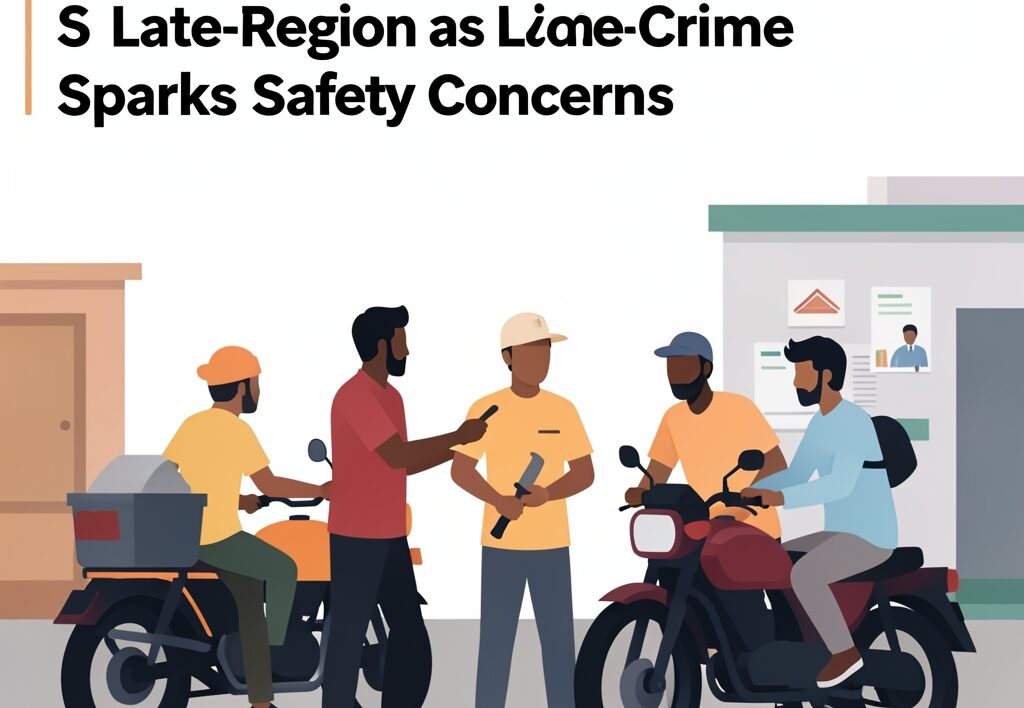
Vedic centre robbery incidents send immediate shockwaves through urban neighborhoods, reminding residents of the fragile boundary between routine evening commutes and sudden danger. Late Monday night, a 51-year-old practitioner who operates a free cervical treatment vedic centre faced a brutal ambush near Madhopuri Chowk. Returning home on his scooter after finishing work at 10:15 pm, he was intercepted by five men traveling on two motorcycles. The attackers threatened him before striking with a blunt weapon, stripping him of his valuables, cash, and personal identification documents.
For everyday commuters across Uttar Pradesh, violent encounters like this strike a nerve. Whether returning late from workplaces in Lucknow or navigating commercial hubs in neighboring regions, the vulnerability of citizens on isolated or semi-lit stretches remains a pressing civic anxiety. When predators track lone motorists, public trust in street-level policing takes a direct hit. Local families often wonder how safe our streets truly are once the sun goes down, especially when municipal authorities struggle to keep secondary roads properly illuminated and monitored.
The Anatomy of Late-Night Street Crime
Street robberies typically exploit predictable human routines. The victim, Gagandeep Jain of Mahavir Jain Colony, was simply wrapping up an ordinary workday. Yet, isolated intersections after dark often transform into hunting grounds for opportunistic gangs. The assailants targeted more than just physical currency; they took two gold rings, a wallet containing ₹25,000 in cash, two mobile phones, a silver coin, a driving license, a doctor’s license, and two debit cards.
Such brazen multi-person attacks mirror patterns seen in other high-profile urban security lapses. Similar incidents, including the recent Agra road robbery and violent confrontations on arterial stretches like the Kohara Chowk corridor, highlight the ongoing challenge law enforcement faces in deterring mobile highway and street predators. While specialized units leverage advanced infrastructure—such as the Agra Police PRAGYA AI data centre—patrol visibility on secondary roads remains the frontline defense for ordinary citizens.
The situation also draws parallels to urban governance struggles in other sectors, reminding us how infrastructure breakdowns affect daily life. For instance, just as commuters worry about dark alleys, motorists in our state capital recently reacted strongly against billing changes, mirroring protests similar to those seen when Lucknow petrol pump dealers threaten cash-only switch over UPI MDR. Every civic inconvenience compounds public frustration, creating an environment where people feel increasingly unsupported by municipal safeguards.
Community Impact and Protection Measures
Local residents and business owners frequently voice concerns over dwindling police presence during late hours. When criminal elements operate with impunity, community members are forced to alter their daily schedules. Essential service providers, doctors, and late-shift workers find themselves weighing the risks of staying out past dark. Similar worries plague healthcare seekers visiting major medical hubs, where capacity issues—akin to debates surrounding the KGMU Trauma Centre referral policy Lucknow proposal—leave patients vulnerable to systemic strain.
- Avoid traveling alone on poorly lit secondary roads late at night.
- Keep emergency contact numbers handy and utilize digital tracking where possible.
- Report suspicious motorcycle formations immediately to local police PCR units.
Civic authorities must address these security gaps proactively. Incidents of extortion and daylight theft, such as the alarming Agra property owner murder case, demonstrate how unchecked criminality escalates into grave tragedies if local intelligence fails to intercept repeat offenders. Furthermore, urban crime prevention requires tackling auxiliary issues like fraudulent syndicates, which authorities recently targeted when they busted another fake call centre in Lucknow. Clean governance and strict policing must work hand in hand to protect the public.
For families who enjoy outdoor leisure during safer hours, visiting spots like the Kukrail Picnic and Nature Centre guide offers a peaceful escape, yet that same tranquility feels miles away when urban residents read about violent street muggings in commercial neighborhoods.
Why it matters
Public safety forms the bedrock of urban economic and social life; when citizens cannot return home without fearing armed interception, the entire community suffers. For residents across Lucknow and the wider state, news of the Madhopuri Chowk assault serves as an urgent reminder that municipal safety requires constant vigilance, rapid emergency response systems, and active police patrolling in commercial and residential peripheries alike.
As investigators work to identify the five suspects utilizing available CCTV footage from the surrounding market district, local stakeholders demand stiffer night patrols. Safe passage after dark should be a baseline guarantee, not a luxury.