
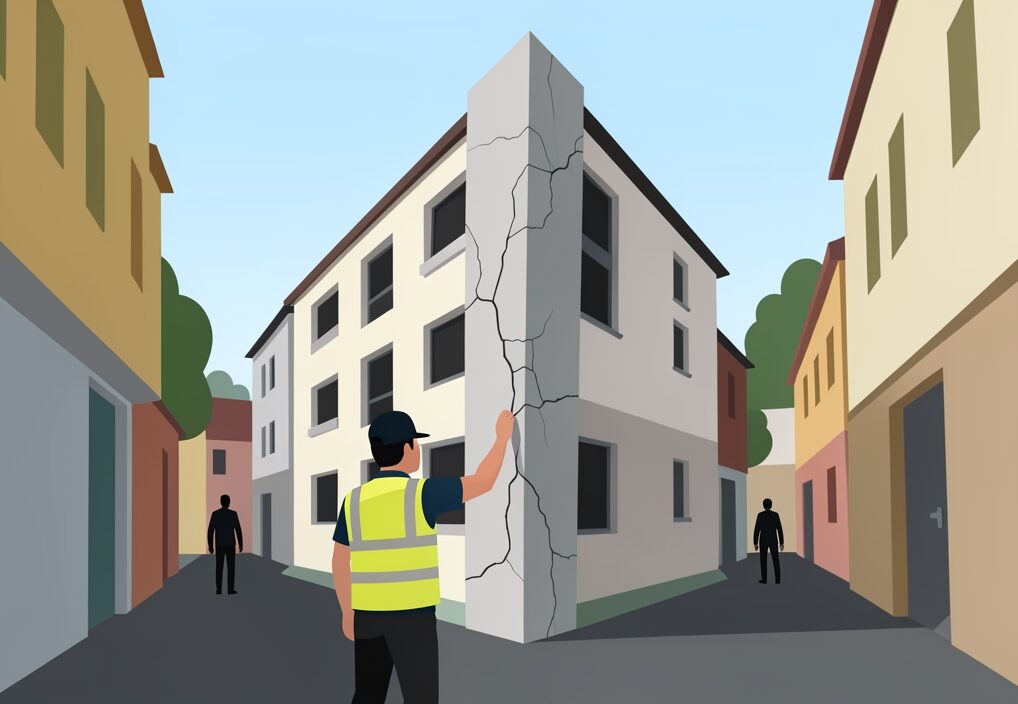
Wazirganj Apartment Declared Unsafe by LDA Audit, Demolition Recommended After Tilt
The Wazirganj apartment crisis in Lucknow has taken a definitive turn as a comprehensive structural safety audit declared SA Apartment unsafe for habitation and recommended its total demolition. Nearly two weeks after portions of the building developed alarming cracks and tilted on September 28 in the Barood Khana locality, the Lucknow Development Authority (LDA) received the final findings from a commissioned private testing laboratory, according to an official statement issued on Friday.
The incident originally sparked intense anxiety across the neighborhood, prompting authorities to rush temporary structural supports to the site and evaluate immediate risks to residents. As families faced sudden displacement, questions mounted over urban oversight and building integrity in older residential clusters. For background on how local families navigated earlier phases of this crisis, readers can check Wazirganj structural safety clearance delayed as families remain locked out and Wazirganj building safety dispute escalates as LDA issues fresh notice. Meanwhile, public attention has also drifted toward other regional administrative shifts, such as security changes and updates like the Nana Patekar Lucknow Visit Boosts UP Police Cyber Campaign.
Non-Destructive Testing Reveals Deep Structural Vulnerabilities
To evaluate the compromised structure accurately without compounding damage to remaining components, the appointed testing agency utilized non-destructive testing (NDT) methods. These advanced diagnostics allowed engineers to peer into the core stability of the columns and load-bearing walls. The verdict delivered by the audit leaves little room for ambiguity, confirming that the building can no longer support residential occupancy.
Local residents and civic observers have frequently highlighted the risks tied to unauthorized construction and weak oversight in densely populated quarters. Similar structural anxiety has surfaced in past incidents across the city, such as those documented in Wazirganj Building Collapse Threat: 25 Families Evacuated After Illegal Floors Crack Pillars. The latest demolition recommendation underscores the pressing need for rigorous civic monitoring before minor structural faults escalate into full-scale emergencies.
Why It Matters
For the residents of Lucknow, the Wazirganj episode serves as a sobering reminder of urban safety vulnerabilities. Beyond the immediate displacement of families, the case exposes systemic gaps in building maintenance and compliance within legacy neighborhoods. Ensuring public safety requires more than temporary propping; it demands transparent accountability from developers and swift municipal enforcement.
- Immediate relocation support for displaced residents while demolition protocols are finalized.
- Heightened scrutiny by the LDA on aging or distressed multi-story structures across the city.
- Re-evaluation of compliance standards for private constructions in historic residential zones.
As municipal authorities move forward with execution plans based on the official Hindustan Times report, the focus shifts entirely to rehabilitation and preventing similar structural failures elsewhere in the capital.
Residents across Lucknow must remain vigilant and report early signs of structural distress in residential complexes directly to municipal authorities before minor cracks turn into major disasters.
Broader Civic Implications
Urban development discussions in Uttar Pradesh often center around massive infrastructure pushes, such as the regional expressways reviewed in Yogi Adityanath Infrastructure Review Pushes Expressway Deadlines in UP. However, the Wazirganj incident refocuses attention on micro-level governance and residential safety standards. Ensuring that everyday housing remains secure is just as vital as laying down new concrete arteries across the state.
As festival season preparations gather momentum alongside civic reviews—similar to the administrative directives noted in recent state-level security orders—urban safety audits must become a routine preventive measure rather than a reactive response to near-disasters.