Uttar Pradesh Lekhpal Bribery Trap Goes Up in Smoke After Cash is Burned and Flushed
When anti-corruption operatives arrived at a rented residence in Lalitpur district on Thursday afternoon, a local Uttar Pradesh lekhpal chose an extraordinary method to erase evidence of wrongdoing. Facing an entrapment team led by Jhansi officials, revenue employee Vipul Tiwari rushed inside, torched ₹15,000 in currency notes on a kitchen gas stove, and flushed the remaining soot down the sink. Yet, quick-witted field tactics and chemical forensics ensured that his desperate bid to dodge justice went completely up in smoke.
For ordinary citizens navigating public offices across the state, such high-drama stings highlight the persistent friction points in grassroots governance. The complainant, a 35-year-old farmer named Manoj Kumar, had reportedly been pressured to pay a ₹20,000 bribe just to move routine paperwork forward. Instead of yielding to persistent demands, Kumar approached the Anti-Corruption Organisation (ACO), setting the stage for a classic trap operation that quickly escalated into a chaotic crime scene.
Inside the Dramatic Lalitpur Sting Operation
The operation unfolded with textbook precision until the suspect realized he was cornered. According to ACO officials, Tiwari had accepted the first installment of ₹15,000 from Kumar around 3 PM on Thursday. Moments after accepting the tainted bills, the anti-corruption team closed in on the premises.
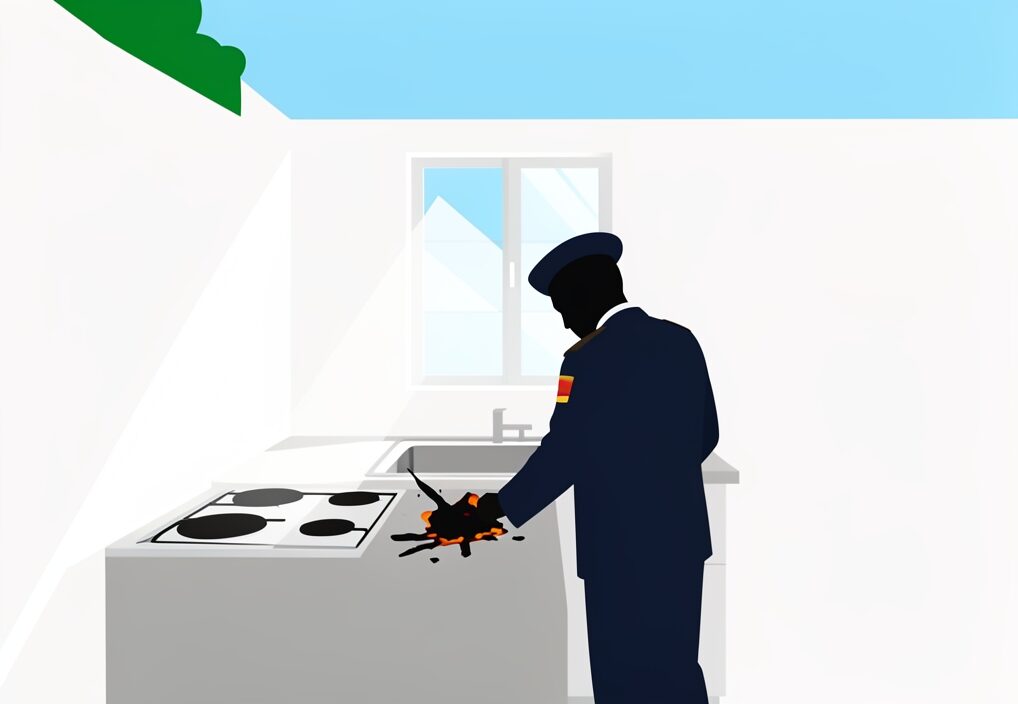
Refusing to surrender, Tiwari bolted the front door from the inside and scrambled to sanitize his surroundings. While officials banged on the entryway, he allegedly tossed the bribe cash onto the burners, reducing the physical currency to charred fragments. He then washed the residue away through the kitchen plumbing.
Realizing that negotiations were futile, the team forced open the locked door. Officers combed the kitchen, unearthing crucial burnt currency fragments left behind in the hasty destruction. To seal the evidence, investigators administered a standard chemical hand-wash test. Tiwari’s hands turned a stark pink, reacting directly with the chemical marker applied to the marked currency notes.
- Suspect: Vipul Tiwari, a local revenue department employee (lekhpal) in Lalitpur.
- Complainant: Manoj Kumar, a 35-year-old local farmer.
- Alleged Bribe Amount: ₹20,000 total, with an initial installment of ₹15,000 handed over.
- Evidence Recovery: Burnt currency fragments and positive chemical hand-wash test.
Why It Matters for Citizens Across the State
Incidents like this resonate deeply far beyond the borders of Lalitpur, drawing anxious glances from residents, students, and professionals keeping track of civil administration across urban and rural UP. Accountability in local land and revenue offices remains a persistent talking point for communities from Lucknow to Agra. While state authorities frequently tout administrative streamlining, the ground reality often forces ordinary citizens to deal with persistent bureaucratic delays.
Legal experts often point out that systemic transparency requires more than high-profile arrests; it demands structural digital overhauls that minimize direct human interface in basic record-keeping. Similar administrative bottlenecks have historically sparked intense debates across legal circles, much like the broader discussions seen when reviewing procedural safeguards or institutional accountability measures across Uttar Pradesh, echoing concerns addressed in matters like the Allahabad High Court illegal detention ruling regarding procedural overreach. Public administrative debates also connect to broader civic themes, such as regional governance reforms discussed in the context of the Uttar Pradesh division demand returns to center stage, and institutional accountability reviews seen during events like Congress protests at the chief election commissioner’s residence.
As political parties and civic groups gear up for major public engagements—ranging from regional rallies and constituency debates similar to those analyzed during Asaduddin Owaisi Uttar Pradesh rallies and local party mobilization like the AIMIM campaign in Kanpur—governance and grassroots corruption remain central kitchen-table issues for voters. Citizens also monitor how massive state events, such as trade expositions or cultural showcases like the Uttar Pradesh International Trade Show deals and the Akhilendra Mishra heritage tour, contrast with day-to-day administrative hurdles. Whether discussing large-scale infrastructure transformations or routine administrative integrity, ordinary citizens continue to demand absolute fairness from public servants.
The ultimate takeaway for residents is that while corrupt practices continue to plague local administrative machinery, aggressive anti-corruption stings and forensic evidence collection are increasingly closing off traditional escape routes for rogue officials.