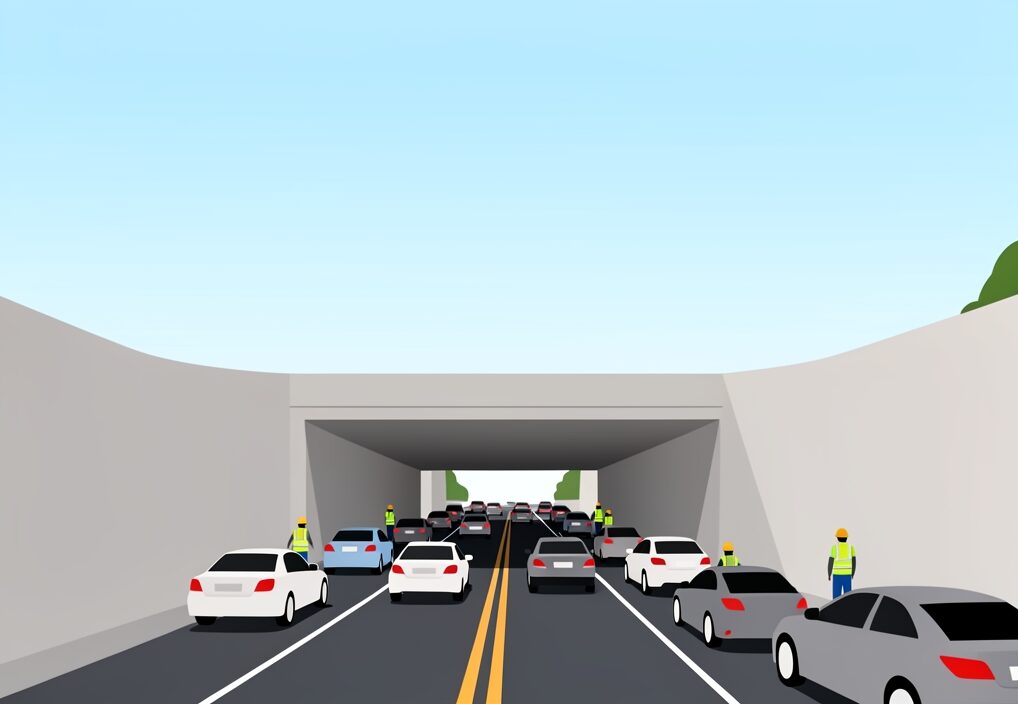
Awadh Underpass Lucknow Nears Finish: Commuters Set for Relief by March
Lucknow commuters navigating the grueling daily gridlocks around Alambagh can finally look forward to smoother journeys, as the long-awaited Awadh underpass Lucknow project nears its final phase of construction. Officials announced on Wednesday that vehicular movement through this strategic corridor is likely to begin by March, offering massive relief to thousands of motorists who lose precious hours stuck at one of the city’s most notorious traffic bottlenecks.
Executing the 887.36-metre-long, two-lane project is the Uttar Pradesh State Bridge Corporation Limited (UPSBC), with an estimated expenditure of ₹152.4 crore according to Hindustan Times reporting. Originally initiated in December with an aggressive initial target, minor construction hurdles pushed the structural timeline slightly, but progress has now surged past the 80% completion mark.
Bypassing the Awadh Crossing Gridlock
For anyone who has tried crossing the bustling intersection during peak hours, the chaotic confluence of vehicles moving toward Kanpur Road, airport routes, and inner city arteries is a daily test of patience. Much like the broader challenges highlighted in our reports on Lucknow traffic gridlock chokes city roads and the constant administrative scramble to manage school-zone pileups detailed in Allahabad HC asks CBSE to fix Lucknow school traffic chaos, urban infrastructure here has struggled to keep pace with soaring vehicle registrations. Local residents often find themselves trapped in stationary queues that stretch for blocks, burning fuel and patience.
Once fully operational, the underpass will establish seamless, uninterrupted connectivity between Para and VIP Road. Motorists will cleanly dive under the main intersection, completely bypassing the surface-level chaos at the Awadh crossing. This engineering intervention aims to shave critical minutes off commutes for office workers, students, and travelers heading toward the Chaudhary Charan Singh International Airport. Families traveling south will no longer have to dread the evening rush hour at this specific junction.
Project Status and Timeline
Construction updates from UPSBC show that heavy civil work is largely in the rear-view mirror, with finishing touches currently underway across the entire stretch. While the initial blueprint targeted a slightly earlier finish, finishing work and safety audits have shifted the vehicular rollout to March. Local residents and shopkeepers around Alambagh, who endured months of localized dust, detours, and disrupted business, are eager to see the barricades finally come down.
- Project length: 887.36 meters (two lanes)
- Executing agency: Uttar Pradesh State Bridge Corporation Limited (UPSBC)
- Estimated cost: ₹152.4 crore
- Target operational date: March
The ultimate measure of this project’s success will be whether it permanently dissolves the daily vehicular tailbacks that plague the southern corridors of our city. As infrastructure planners look ahead, citizens dealing with overlapping urban strains—ranging from seasonal air quality issues like dense fog blankets Lucknow to long-term resource management challenges such as Lucknow groundwater extraction exceeds safe limits—will be watching closely to see if modern engineering solutions can match our city’s rapid growth without creating secondary environmental headaches.
Why it matters
Urban mobility dictates the economic pulse of a growing metropolis. For Lucknow, easing transit bottlenecks at major junctions like Awadh crossing does more than save fuel; it transforms the daily quality of life for residents spread across west and south Lucknow. When commutes become predictable, productivity rises, and the stress of navigating city roads diminishes for families, delivery riders, and daily wage earners alike. As real estate developments continue to pull buyers from metropolitan hubs—a trend explored in Why Lucknow property market is pulling buyers from Delhi and Bengaluru—robust civic infrastructure remains the bedrock of sustainable urban expansion. Investing in smooth transit corridors ensures that growth remains manageable and livable for long-time residents.
Sources: