Lucknow Traffic Gridlock Chokes City Roads Amid Heavy Dhanteras and Festive Rush
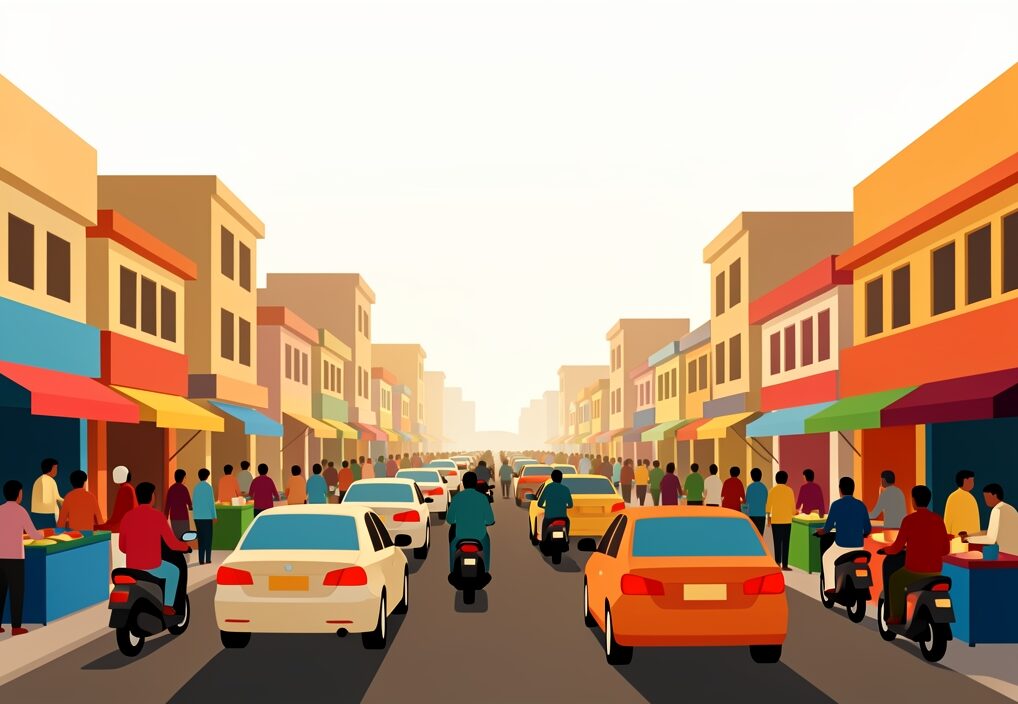
Lucknow traffic reached a breaking point as a massive wave of shoppers and newly purchased vehicles overwhelmed municipal preparations during the Dhanteras and Diwali festivities. Despite a detailed traffic management plan involving 13 route restrictions, additional police deployment, and designated parking zones, motorists found themselves trapped in unmoving gridlocks that spilled over from major commercial corridors straight into residential neighbourhoods across the city.
The vehicular surge exposed the structural limits of urban planning in India’s sprawling state capital. Drivers attempting to navigate busy arteries faced severe delays as cars and two-wheelers competed aggressively for limited road space.
Where the Gridlock Hit Hardest
Commuters trying to access key shopping districts reported spending hours caught in slow-moving queues. The worst affected zones included primary commercial hubs where festive retail activity peaked simultaneously:
- Bhootnath market and surrounding Indiranagar stretches
- Patrakarpuram and Gomti Nagar interior connectors
- Hazratganj and the Vidhan Sabha Marg corridor near the BJP office
- Chinhat and Kamta entry points on the city outskirts
- Bangla Bazar and residential lanes in Ashiana
Intended traffic diversions often backfired, funnelling frustrated motorists onto alternative neighbourhood streets that were equally unequipped to handle the heavy volume. For residents living near these commercial pockets, stepping out for daily errands became an exercise in extreme patience.
The Surge in New Vehicles and Consumer Boom
Fueling the congestion on the asphalt was a massive influx of private transport. According to UP Adarsh Vyapar Mandal state president Sanjay Gupta, retail automobile sales spiked dramatically, with dealers handing over roughly 3,000 cars and 6,000 two-wheelers on Dhanteras alone. This brought nearly 9,000 fresh vehicles onto the streets in a single day, dwarfing previous years’ figures where around 2,625 four-wheelers and 5,000 two-wheelers were registered. While these robust commercial numbers signal healthy consumer sentiment and strong performance across the local economy—mirroring trends noted in Dhanteras automobile sales in Lucknow projected to soar past ₹150 crore—the physical reality on the ground highlighted a stark infrastructure deficit.
The sudden influx of vehicles also brings a reminder of how commercial celebrations ripple into everyday safety concerns. Much like families navigating dense crowds during cultural events such as Navratri dandiya nights in Lucknow kick off high-energy festive celebrations or admiring community installations during Lucknow Durga Puja pandals blend Bengal heritage with local festive storytelling, public spaces undergo immense strain during seasonal peaks.
Balancing Festive Joy and Urban Security
City authorities deployed extra security personnel to manage crowds, echoing measures seen when Lucknow Festive Security: Undercover Cops Deployed in Markets to curb pickpocketing and maintain law and order. However, policing foot traffic and managing surging automobile density require two entirely different infrastructural responses. The chaotic scenes on Vidhan Sabha Marg and surrounding lanes also evoke recurring concerns about urban congestion management similar to issues raised in Allahabad HC Asks CBSE to Fix Lucknow School Traffic Chaos, proving that peak-hour bottlenecks remain a chronic challenge for local administrators.
When daily mobility breaks down, the friction extends beyond retail corridors into other essential services. Just as health authorities track public wellbeing during seasonal overlaps as seen in Scrub Typhus Testing Surges in Lucknow As Seasonal Infections Overlap, city planners must reckon with how immobilized transport networks delay emergency medical responses. Furthermore, public anxieties around civic quality mirror safety debates seen in sectors like Online Grocery Hygiene In Noida Sparks Fresh Food Safety Concerns Across Uttar Pradesh Ahead Of Festive Rush, highlighting a broader public demand for accountability across all civic domains.
Road Safety and Municipal Accountability
The pressure on our roads carries tragic consequences when congestion combines with rash driving. Incidents such as Lucknow Road Accidents Claim Three Lives in Alambagh and BKT serve as a grim reminder that vehicular discipline must go hand in hand with traffic management. As political figures and local bodies discuss long-term development visions, referenced in policy discussions like Shivraj Singh Chouhan Lucknow Rally Launches BJP Mission-2027, residents expect tangible improvements in everyday urban infrastructure rather than recurring gridlocks.
Whether the topic is cultural vibrancy celebrated in local arts such as Mark Bennington Short Film Born From Lucknow Festival Inspiration or basic civic governance, the city’s growth requires sustainable foresight.
Why it matters
Urban mobility failures during peak festivals inflict economic and psychological costs on residents, turning joyous celebrations into exhausting ordeals. When roads freeze, emergency response times lengthen, local commerce suffers from accessibility fatigue, and ambient air quality deteriorates rapidly as engines idle in dense queues. For a city rapidly expanding its footprint, these recurring gridlocks demonstrate that seasonal traffic management requires permanent structural overhauls rather than temporary barricades and last-minute diversions.
As celebrations continue and families travel across the city for festivities, residents will hope for a smoother flow once the immediate retail rush subsides. Yet, the underlying challenge of balancing private vehicle ownership with efficient public transit remains a pressing priority for municipal planners.