Ayodhya-Janakpur Rail Link: PM Modi and Nepal PM Balen Shah Set to Unveil Trans-Border Project
Prime Minister Narendra Modi and Nepal Prime Minister Balendra Shah are holding high-level bilateral talks in New Delhi today, highlighted by the expected inauguration of the Ayodhya-Janakpur rail link and other major India-backed infrastructure initiatives. Shah, 36, arrived in the national capital on Sunday for his first official foreign visit since taking office, setting the stage for a strategic reset in diplomatic and economic ties between the two neighbors. Union minister Jitin Prasada received the visiting leader, whose diplomatic itinerary immediately kicked off with a substantive meeting with External Affairs Minister S Jaishankar, as reported by Hindustan Times.
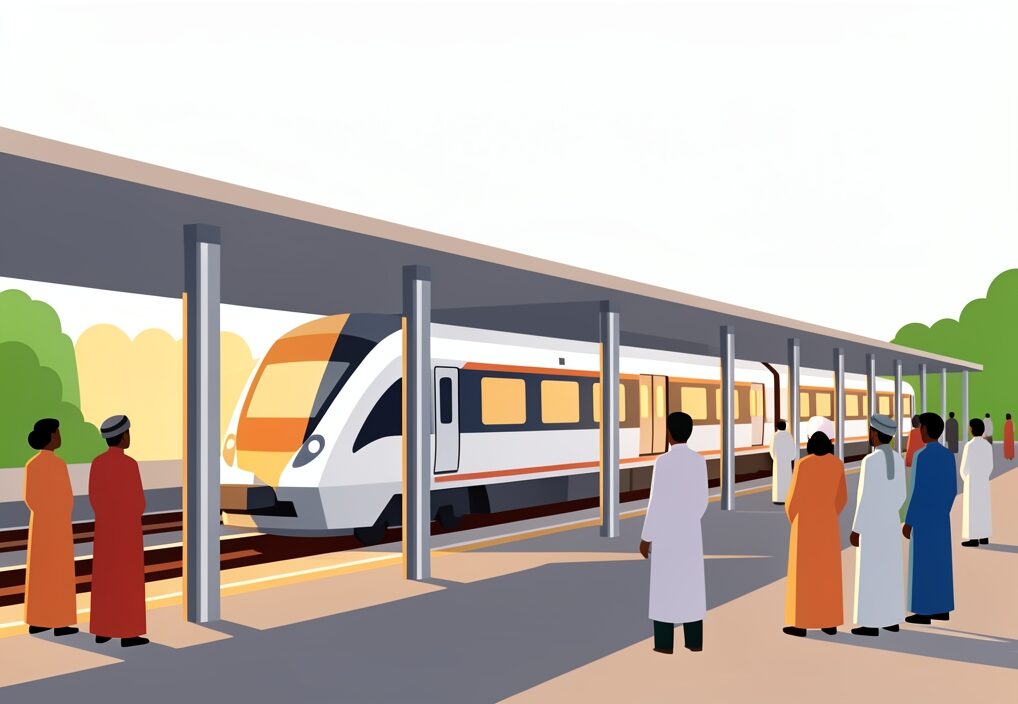
For residents across Uttar Pradesh, particularly those tracking spiritual tourism and cross-border transit, this diplomatic milestone carries profound local resonance. The operationalization of the rail corridor bridges two monumental cultural sites: Ayodhya, which has seen massive urban transformation, and Janakpur in Nepal. This direct connection promises to streamline pilgrimage travel, transforming historical cross-border bonds into accessible, everyday transit routes. As discussions extend to energy sharing, trade transit, and climate cooperation, the ripple effects will be felt keenly across the Gangetic plains, influencing regional commerce and tourist footfall.
Deepening Ties Through Regional Infrastructure
The bilateral agenda goes far beyond symbolic diplomacy. Officials from both nations have spent months hammering out frameworks for enhanced energy grids, technological cooperation, and human resource development. By linking Ayodhya directly to Janakpur via modern rail infrastructure, New Delhi and Kathmandu are banking on economic multipliers that benefit local businesses, hoteliers, and transport operators throughout northern India. Travelers from Uttar Pradesh looking toward Himalayan destinations will find these logistical upgrades simplify cross-border mobility significantly.
Urban observers in Lucknow note that enhanced connectivity with Nepal frequently influences regional trade dynamics and transport corridors passing through the state. Previous diplomatic milestones have often sparked parallel logistics planning closer to home, matching infrastructural expansions seen during high-profile state visits and transport reviews. Whenever cross-border transit improves at the federal level, local supply chains and tourism packages—such as those promoted by UP Tourism’s regional heritage itineraries—experience a direct surge in public interest.
Furthermore, state-level adjustments often run parallel to major federal announcements. Residents tracking regional transit developments frequently look at how infrastructure projects manage heavy footfall, drawing comparisons to local traffic management seen during events like the National Skills Convocation in Lucknow. Whether it is managing crowds or preparing transit networks for dignitaries, local authorities in Uttar Pradesh pay close attention to how federal transport projects influence state-wide movement.
Strategic Realignment and Future Cooperation
Beyond railways, the talks are slated to cover a sprawling economic package and long-term energy partnerships. External Affairs Minister S Jaishankar emphasized on social media that India deeply cherishes its special friendship with Nepal. This sentiment is echoed by policy analysts who view Shah’s choice of New Delhi for his debut bilateral trip as a strong signal of mutual political trust. The dialogue comes at a time when regional stability and infrastructure security remain top priorities for state administrators, drawing parallels to how the region manages large-scale logistical surges during high-security national visits and security operations like those surrounding Shaheed Path VIP movements and high-profile executive arrivals.
For families across Lucknow and neighboring districts, improved cross-border connectivity also opens up new avenues for trade, education, and tourism. As historical travel routes modernize, local business owners in Uttar Pradesh are positioning themselves to cater to an influx of international travelers passing through northern corridors. Past regional disruptions, such as the logistics challenges caused by weather events affecting Nepal travelers, highlight just how vital robust, weather-resilient rail infrastructure is for the safety and convenience of everyday commuters.
- Ayodhya-Janakpur rail link designed to ease pilgrim transit and cultural tourism.
- Comprehensive talks covering energy grids, trade transit, and climate change mitigation.
- Bilateral agreements aimed at boosting human resource development and educational exchanges.
The successful rollout of cross-border rail infrastructure cements a new chapter in India-Nepal relations, directly linking cultural heritage sites to modern economic corridors that benefit northern Indian commerce.
Why it matters
For the people of Lucknow, the UP diaspora, and visitors navigating the state’s evolving transport landscape, federal infrastructure agreements with neighboring countries dictate regional economic momentum. Improved rail and trade routes reduce transit friction, encouraging deeper cultural exchanges. Whether it is traders expanding their footprint or families planning spiritual journeys, these geopolitical developments translate into tangible travel and economic opportunities on the ground.
For deeper context on how major state visits and federal policy shifts intersect with local governance, readers can review past analyses on the UP law and order models or examine how regional leadership responds during political developments across Uttar Pradesh.