Delhi CJP March Security Spells Travel Headaches for Lucknow Travellers Heading North
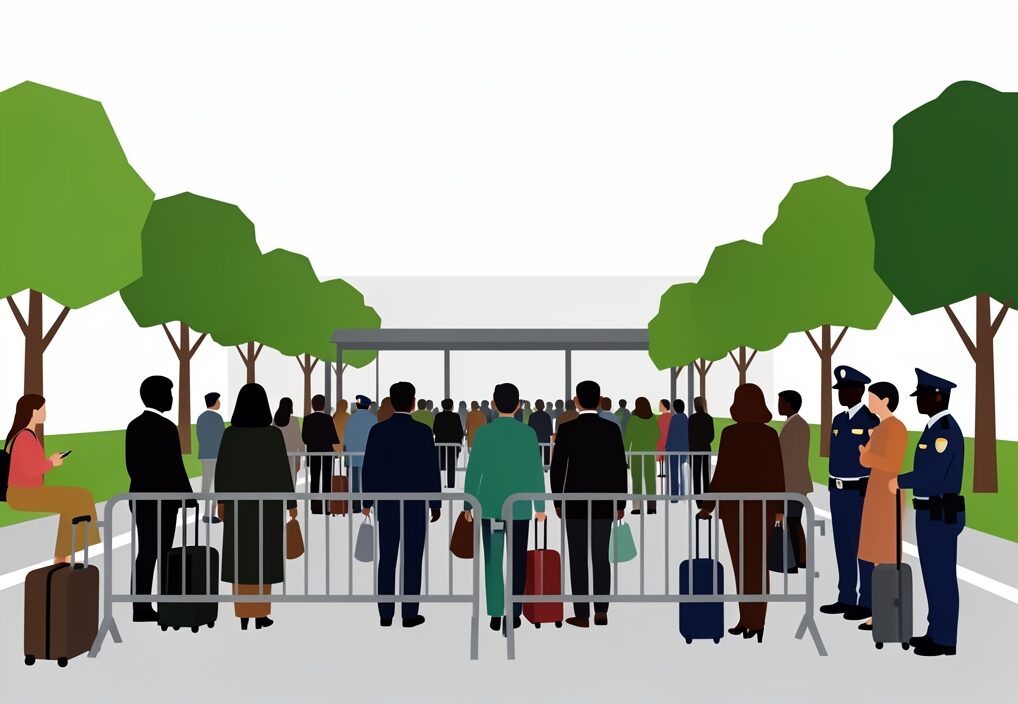
Delhi CJP march preparations have thrown a wrench into travel plans for commuters, students, and business travellers from Uttar Pradesh heading toward the national capital. The Delhi Police has deployed more than 6,000 police personnel, alongside 220 companies of the Central Armed Police Forces, to lock down Lutyens’ Delhi and the Connaught Place areas ahead of the Cockroach Janta Party’s planned flag march. For residents of Lucknow and across UP who frequently travel to Delhi for commerce, governance paperwork, or transit connections, the high-security gridlock means immediate travel disruptions and severe congestion around major transport hubs like Rajiv Chowk and Jantar Mantar.
The security escalation follows a tense sequence of events in the capital. CJP convenor Abhizaet Dipke announced the Tiranga Yatra after his co-convenors, Saurav Das and Ashutosh Ranka, were arrested and remanded to five days of judicial custody for unfurling the national flag. While student organizations, activists, and the Aam Aadmi Party have signaled participation in the 5 pm march, Delhi Police PRO Neha Yadav confirmed that formal permission has been denied. Authorities have imposed Section 163 of the BNSS across the zone, setting up over 10 CCTV cameras, heavy barricades, and reserved forces drawn from multiple districts to seal off Central Park and Palika Bazaar.
Impact on Lucknow Travellers and UP Commuters
For families and business owners commuting from Lucknow, Delhi is not merely a political capital but an essential economic and transit artery. Capital-bound trains from Charbagh station often discharge passengers directly into central transit networks that are now choked with security checkpoints. Previous political confrontations in the capital have routinely rippled outward, mirroring regional tensions similar to those seen when the INDIA bloc march to EC over Gyanesh Kumar row disrupts travel and stirs debate across Uttar Pradesh. When Delhi comes to a virtual standstill, the ripple effects are felt instantly by passengers relying on smooth inter-state transit corridors. Similar logistical snarls have even impacted rail networks further down the line, as seen in incidents where a Railway official dismissed over 70,000 bribe charge in North Central Railway caused ripple effects for passengers.
Civic management in major urban centres remains under intense scrutiny. While Lucknow residents navigate local administrative updates—such as local governance checks and urban safety measures akin to how Lucknow Traders Protected As UP Government Warns Against Extortion—the chaotic scenes in Delhi highlight a stark contrast in urban crowd control and public assembly protocols. Commuters accustomed to the paced rhythm of Awadh find the draconian barricading of Central Park jarring and disruptive to standard commercial schedules. For commuters heading across western sectors, infrastructure projects like the Ghaziabad Foot Over Bridge construction begins on NH-9 and Delhi-Meerut Expressway to curb accidents offer a reminder of how heavy transit arteries undergo constant strain.
Security Clampdowns and Public Assembly Restrictions
The deployment of thousands of armed personnel underscores a hardening stance by law enforcement against unpermitted street demonstrations. Key checkpoints include:
- Rajiv Chowk and Connaught Place radial markets
- Central Park and Palika Bazaar perimeter zones
- Metro stations connecting to Lutyens’ Delhi
- Jantar Mantar protest coordination points
While police authorities have indicated that alternative spaces might be considered for controlled gatherings, the blanket prohibition under Section 163 leaves little room for demonstrators. For the UP diaspora keeping a close eye on national politics, these developments signal a tightening administrative grip on public space usage in the heart of the country.
Key Takeaway: Travellers from Lucknow heading to Delhi should anticipate severe metro and road delays around Connaught Place due to massive police barricades and restricted public assemblies.
Why it matters
Understanding these capital-centric disruptions is essential for Lucknow’s business community, students appearing for national examinations, and frequent flyers or train passengers. Security clampdowns in Delhi frequently trigger cascading delays across northern railway routes and national highways. Staying informed helps travellers bypass choked transit arteries and adjust itineraries before stepping out of Uttar Pradesh. For broader context on regional administrative shifts, readers often look at how governance intersects with public movement, paralleling infrastructure reviews like Yogi Adityanath Infrastructure Review Pushes Expressway Deadlines in UP or legal administrative actions such as Meerut Lawyers Strike Over High Court Bench Demand Rattles Western UP. Other welfare measures, such as Yogi Adityanath farmers relief funds distributed in UP, show how state administration works to balance regional stability while capital issues brew.
As the situation unfolds in the capital, local authorities advise keeping track of live transit advisories before boarding trains or flights toward Delhi. Additional updates on how regional transport responds to the security lockdown will be tracked as the situation develops.