Diljit Dosanjh Mumbai Tour Highlights How Major Live Entertainment Transforms Urban Culture
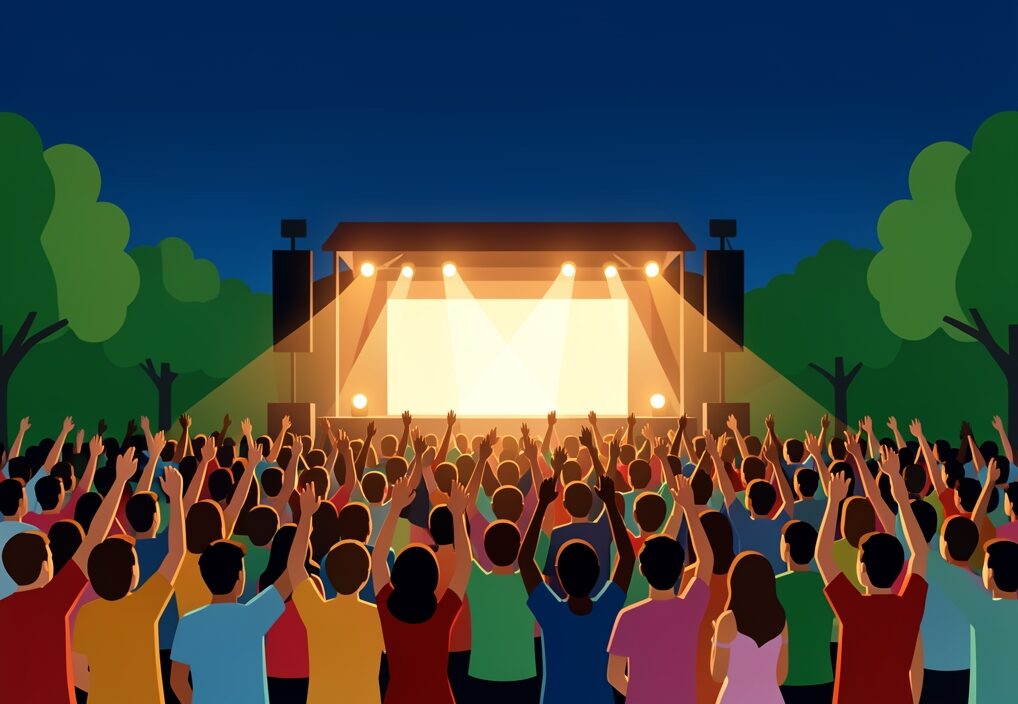
During the Diljit Dosanjh Mumbai Tour, music lovers gather at landmark venues for an unforgettable night of high-energy performances as the Punjabi superstar brings his massive Aura India Tour to the city. This major concert stop underscores a broader national shift in how urban centers consume live entertainment, turning standard weekend outings into massive cultural happenings. For enthusiasts keeping track of large-scale touring acts, mega-concerts provide a window into the evolving dynamics of urban nightlife and public event curation.
Mega-concerts do much more than simply fill up stadium seats for a single evening. They alter local economies, boost hospitality sectors, and create shared cultural moments that resonate long after the final track fades. While fans in coastal metros enjoy packed calendars featuring everything from arena tours to niche coffee festivals, similar shifts are taking place across other urban landscapes as residents demand richer, more diverse live entertainment options. Urban planners and local organizers increasingly view large cultural productions as vital markers of a city’s social vitality.
The Mechanics of Arena-Scale Touring
Staging a production of this magnitude requires intricate logistical coordination, from massive sound engineering setups to crowd management across large open-air venues like the Mahalaxmi Race Course. When artists with massive cross-demographic appeal hit the road, ticket sales spike rapidly, transforming ordinary weekends into major tourism spikes. Cities hosting these tours experience a tangible surge in foot traffic, benefiting local eateries, hotels, and transport networks alike.
This surge in live entertainment reflects changing consumer preferences. Audiences increasingly prioritize experiential spending over passive entertainment. Whether it is a stadium concert, a heritage walk, or a community food festival, people want to participate in real-time cultural moments. This shift mirrors discussions around urban public spaces seen in initiatives like the Delhi Tourism Takeover of Old Delhi Heritage Park, where civic bodies rethink how public arenas serve cultural life.
Impact on Local Event Ecosystems
The success of arena-level tours sets a high benchmark for event organizers everywhere. When top-tier performers draw tens of thousands of fans, local infrastructure is tested and improved. Cities must adapt by streamlining security protocols, improving public transit connectivity, and upgrading venue facilities. These improvements lay the groundwork for future cultural events, making it easier for cities to host diverse artistic programs.
- High-capacity venues drive massive economic activity in surrounding neighborhoods.
- Collaborative security and traffic management ensure smooth crowd flow during peak hours.
- Expanded ticketing and digital marketing platforms connect regional fans directly with national tours.
Understanding these large-scale entertainment trends helps residents and cultural observers anticipate how local event calendars will evolve. Just as political and social shifts shape the public sphere—as seen in discussions surrounding events like Constitution Day in Lucknow or local urban debates regarding Ayodhya Cultural Heritage Under Yogi Adityanath’s Watch—cultural entertainment remains a powerful mirror of societal energy and community aspirations.
As discussions around public accountability and civic governance continue—touching upon legal matters such as the Income tax inspector sentenced to 3 years in jail for ₹60 lakh bribe demand in Lucknow or administrative scrutiny like the Lucknow Jail Suicide Official Suspensions—the vibrant pulse of live arts provides a necessary counterweight, reminding communities of the unifying power of music and shared celebration.
Massive live music tours act as economic and cultural catalysts, reshaping how cities host major entertainment and bringing diverse audiences together.
Why It Matters
For residents, students, and cultural enthusiasts across Tier-1 and emerging urban centers, the growth of touring infrastructure means better access to world-class performances without needing to travel cross-country. As metropolitan event standards rise, audiences everywhere benefit from improved venue safety, better hospitality integration, and a more dynamic cultural calendar.