
Delhi Tourism Takeover of Old Delhi Heritage Park Points to a Fresh Civic Playbook That UP Cities Can Learn From
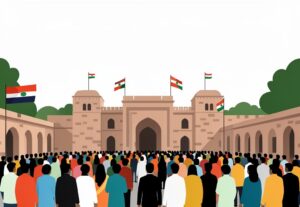
In a major shift for urban governance, Delhi Tourism is taking over the development of a heritage park near the Red Fort and Jama Masjid, aiming to transform the space into a vibrant cultural showcase of historic Shahjahanabad. Announced in late November 2026, the municipal transfer from the Municipal Corporation of Delhi signals a strategic move to blend civic maintenance with active heritage tourism. For residents across Uttar Pradesh, where historic cores in cities like Lucknow and Varanasi constantly balance modern congestion with ancient pride, this administrative handoff offers a compelling blueprint for how civic bodies can monetize and protect urban memory.
Located opposite the Parade Ground parking area between Jama Masjid and the Red Fort, the park was initially developed by the erstwhile North Delhi Municipal Corporation. While the first phase established Mughal-inspired red sandstone carvings, landscaped walkways, a baradari, and shopping counters, municipal upkeep alone struggled to animate the space. By handing the reins to the tourism department, the city hopes to inject life into an area that sees millions of footfalls annually. Similar administrative synergy is often debated when discussing regional tourism packages, such as the Ayodhya heritage tour package, where specialized state intervention proves vital for visitor satisfaction.
When public spaces are maintained with a singular focus on horticulture without cultural programming, they often face unexpected municipal friction. Public safety and orderly management remain everyday concerns in fast-growing urban sectors, reminding residents of why incidents like the tragic Noida park fight claims 25-year-old life spark intense debates about how public parks are governed, secured, and kept welcoming for families across northern states.
Shifting from Maintenance to Cultural Activation
The core friction in historic Indian cities has long been the division of labor between municipal corporations tasked with basic sanitation and horticulture departments that lack promotional bandwidth. When a horticulture wing manages a prime historical precinct, the result is usually manicured lawns with zero cultural programming. The new arrangement between MCD and the tourism department changes that equation by injecting active programming into public infrastructure.
According to senior municipal officials, the upcoming phase-2 expansion will cover a sprawling three-acre area specifically designated for:
- Curated heritage walks focusing on the history of Shahjahanabad
- Live musical and dance performances reflecting North Indian classical traditions
- Exhibits and stalls celebrating traditional culinary arts of the walled city
- Civic forums and cultural gatherings that bring local artisans into the economic mainstream
This model of handing over prime urban land to dedicated tourism boards resonates deeply with the diaspora and visitors who frequently navigate historic tourist hubs. Much like how travelers commuting through northern transit networks feel the pinch of regional infrastructure crunches—remembering when Delhi-bound buses Lucknow faced severe post-festive crunches—effective management of public spaces dictates the overall quality of urban tourism.
Beyond transit and tourism, regional healthcare and municipal projects are also scaling up across the state, mirroring massive investments such as the Park Hospitals Uttar Pradesh Prayagraj project, which highlights how large-scale infrastructure requires coordinated execution rather than isolated departmental efforts.
Why It Matters for Uttar Pradesh
For Lucknow residents and the wider UP diaspora tracking municipal trends, the Delhi experiment holds direct relevance. Urban spaces in North India face dual pressures: rapid commercial sprawl and the decay of historical precincts. When administrative bodies silo their responsibilities, heritage parks become sterile islands. By bridging the gap between municipal land ownership and tourism promotion, cities can protect public land while turning it into an economic asset.
Furthermore, as regional real estate dynamics shift and the Lucknow property market attracts Delhi and Bengaluru buyers looking for cultural depth combined with modern convenience, municipal governance must step up. Ensuring that public parks and heritage zones function as cultural hubs rather than locked gates is essential for modern urban livability.
Cultural preservation in Uttar Pradesh also receives high-level administrative attention, echoing state directives similar to those seen in the Ayodhya cultural heritage Yogi Adityanath warning that urge local bodies to protect historical integrity against uncoordinated commercial pressures.
Civic management succeeds when municipal infrastructure and cultural tourism operate under a single, unified vision rather than administrative isolation.
As state capitals modernize, keeping a close eye on how metropolitan authorities manage public spaces helps residents anticipate local policy changes. Whether evaluating civic upgrades or monitoring environmental stressors like the Delhi air quality crisis impacting Uttar Pradesh travel, urban residents remain directly affected by interstate administrative trends. For further details on the project scope, refer to the original reporting on Hindustan Times.