Faizullaganj floods Lucknow residents face waterlogged homes and disrupted final rites
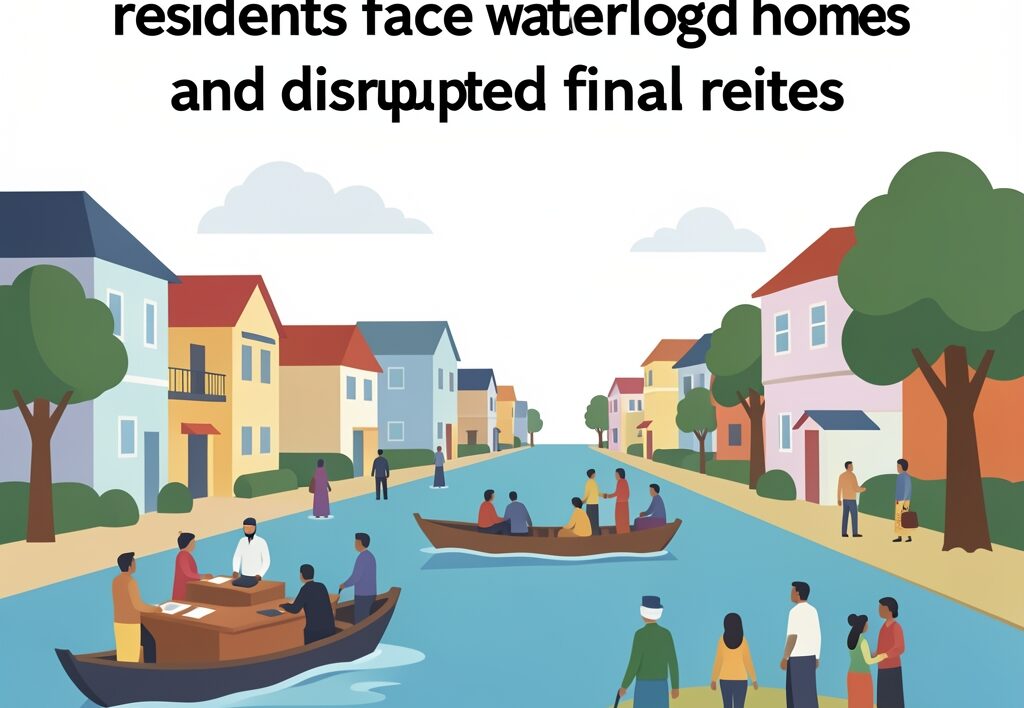
Severe Faizullaganj floods Lucknow residents are enduring have completely paralyzed daily existence in the area, turning residential blocks into isolated islands and swallowing roads whole. As floodwaters refuse to recede, basic survival has become an uphill battle for families who now struggle to secure even safe drinking water or dry shelter. While municipal authorities grapple with seasonal inundations, the sheer scale of the disaster highlights long-standing urban planning deficits in expanding residential zones across the Uttar Pradesh capital.
The situation on the ground remains grim as standard civic amenities break down entirely. People are trapped inside submerged properties, and a severe shortage of evacuation boats has delayed relief efforts. Many displaced families have abandoned their waterlogged homes altogether, setting up makeshift camps on higher footpaths. This unfolding crisis mirrors broader seasonal vulnerabilities seen during extreme downpours, similar to what residents experienced during recent spells of heavy monsoon weather across the city, or when dealing with general daylong rain as the monsoon begins retreat.
When the skies open up, daily life grinds to a halt. Commuters find themselves wading through knee-deep water just to reach grocery shops or bus stops. Families living in ground-floor apartments have lost household appliances, mattresses, and stored food grains. Local communities often find themselves looking for alternative rainy day Lucknow indoor options, but when your entire home is underwater, staying indoors offers no dry sanctuary. For newcomers and long-time residents alike, the contrast between official urban development claims and reality becomes painfully stark during these weeks.
When Even Final Rites Become an Ordeal
The human toll of the inundation extends far beyond ruined possessions and disrupted routines. In the worst-hit pockets of the neighbourhood, the disaster has compromised the dignity of passing. When local resident Meena Kannaujia passed away in Kailash Bihar, her husband Ram Chandra Kannaujia and sons Ram Dinesh, Rakesh, and Dilip faced an agonizing hurdle. Deprived of dry paths or accessible transport, the grieving family had to manually carry her bier through submerged, waist-deep streets simply to reach the cremation grounds for her final rites.
This harrowing incident exposes the raw reality of civic neglect during natural emergencies. While the administration frequently issues directives for infrastructure maintenance—akin to periodic orders for city road repairs—outlying areas like Faizullaganj continue to suffer from chronic water logging due to poor drainage design and delayed municipal interventions. Navigating these neighbourhoods requires coping strategies usually reserved for severe riverine floods rather than urban residential pockets.
The local anxiety is palpable. People wonder how routine emergencies, medical crises, or even festive preparations are managed when ambulances cannot enter narrow lanes. Many residents look back at happier cultural moments, such as attending the Baarish concert in Lucknow bringing monsoon melodies, with a sense of irony, given how destructive these rains have proven to be for daily survival.
Why It Matters
For anyone living in Lucknow, the Faizullaganj crisis serves as a stark reminder of how rapidly urban infrastructure can collapse under extreme weather. Beyond the immediate misery of stranded commuters and flooded basements, the situation raises urgent questions about disaster preparedness, storm-water drainage accountability, and equitable resource distribution by municipal authorities. When basic civic infrastructure fails to protect homes or provide dignified pathways for grieving families, the impact goes deeper than property loss—it strikes at the core of urban public welfare.
City planning must evolve past temporary patch-works. Whether it is addressing grievances voiced during events like the Seva Sankalp Abhiyaan in Lucknow or addressing structural municipal shortcomings, accountability starts with listening to vulnerable neighbourhoods. People deserve better than wading through knee-deep sewage water to buy groceries or bury their dead.
- Houses turned into isolated islands with roads completely submerged.
- Severe shortage of rescue boats delaying urgent evacuations.
- Grieving families forced to wade through deep water to conduct funerals.
Residents and local community networks must stay vigilant, conserve safe drinking water, and pressure local bodies for immediate deployment of drainage pumps and relief boats.