Gorakhpur Police Crime: Advocates Demand Capital Punishment for Accused Constable
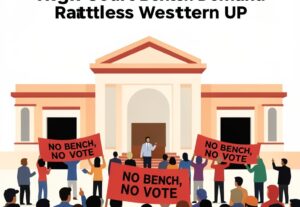
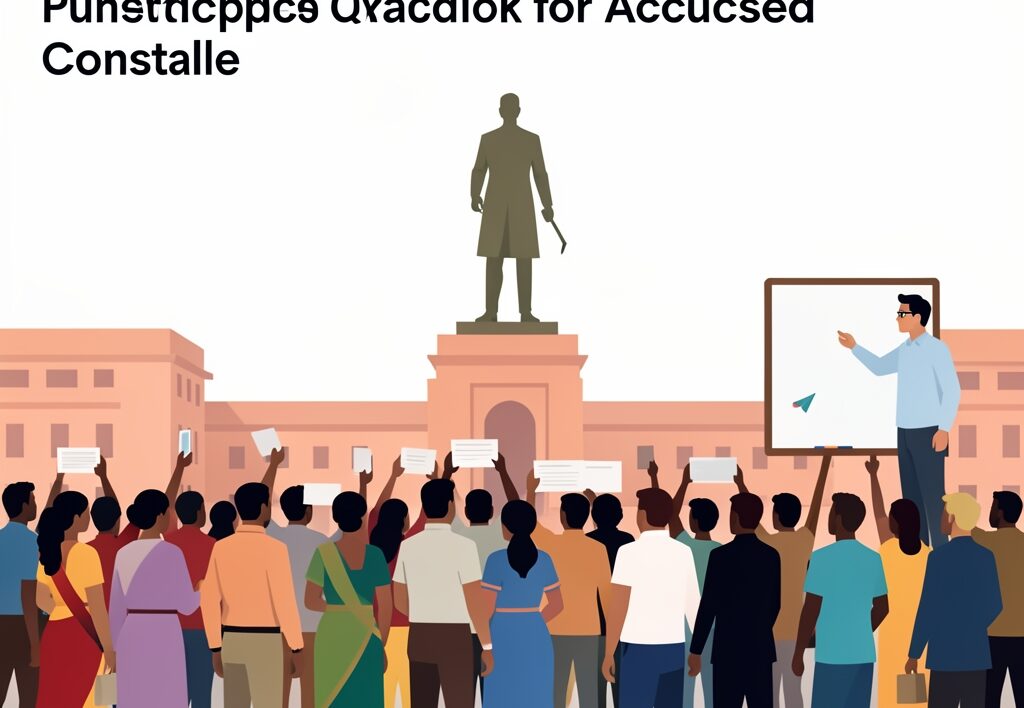
Public outrage over a Gorakhpur Police Crime involving a UP 112 constable who allegedly abducted, raped, and murdered a 10-year-old girl intensified sharply on Saturday, August 1, 2026. Hundreds of advocates took to the streets in Uttar Pradesh’s Gorakhpur district, marching from the civil court premises to the Mahatma Gandhi statue at Golghar to demand capital punishment for the accused officer. This incident echoes deep systemic concerns previously highlighted when a similar Gorakhpur cop arrest exposes institutional failures in Uttar Pradesh law enforcement.
The brutal crime has shattered local communities across the state, prompting civil society and legal practitioners to question internal vetting mechanisms within uniformed services. For residents watching from Lucknow and across the wider UP diaspora, the case underscores an urgent necessity for accountability. Communities are asking how individuals entrusted with public safety can commit such heinous acts, bringing back painful memories of civic distress seen during other major uprisings like the Prayagraj protest arrests: 10 held for vandalism as police lodge three FIRs.
When guardians of the law turn against the vulnerable, the shock reverberates far beyond district boundaries. Everyday families rely on the state apparatus for protection. When that trust is broken by someone wearing a uniform, public faith takes a massive hit. Citizens across Uttar Pradesh are demanding answers, noting that internal accountability mechanisms must be drastically overhauled to prevent future tragedies. Similar anxieties over administrative oversight have surfaced in other civil cases, such as the inquiries sparked after incidents like the Gorakhpur night boating ban after fatal Ramgarh Tal collision.
Legal Fraternity Escalates Protests
The Civil Court Bar Association has taken a firm stand against the growing wave of crimes targeting children. During Saturday’s march, lawyers paid floral tributes to the victim while drafting strict demands for the state administration. The association announced clear directives for the upcoming week:
- Observing a state-wide style “Protest Day” across Gorakhpur district on Monday, August 3.
- Advocates abstaining from all judicial and court work for the day.
- Demanding adequate financial compensation for the grieving family alongside a fast-track investigation.
Sumit Mishra, vice-president of the Civil Court Bar Association, confirmed that lawyers would not back down until the judiciary delivers the harshest possible verdict. This collective mobilization mirrors past demonstrations witnessed in the region, such as the agitation seen during the Ajay Rai Leads Lucknow Paper Leak Protest: Candlelight March Demands Justice for Students, where citizens demanded immediate systemic reforms.
Legal professionals across Uttar Pradesh have increasingly stepped forward to back aggrieved families, ensuring that local administration faces immediate pressure to act. Such protests highlight a growing intolerance among advocates toward procedural delays in heinous criminal trials. Similar professional pushback was seen in other legal disputes, including incidents reviewed under the Allahabad High Court Bars Four Advocates Following Lucknow District Court Assault ruling.
Why It Matters
When law enforcement personnel become perpetrators, the social contract binding citizens to the state fractures entirely. For everyday families living in Uttar Pradesh, security infrastructure must guarantee protection rather than breed fear. Incidents like this force a hard look at administrative oversight, mirroring administrative anxieties highlighted in corruption cases such as the LDA engineer arrest in ₹7.5 lakh bribery case exposes persistent civic corruption in Lucknow. Public trust takes decades to build, but it evaporates overnight when accountability fails.
Furthermore, digital discourse and civic vigilance across the state have amplified these demands. Incidents from neighboring regions, including the debates sparked by the Noida Zero FIR Filed Against Woman Over Abusive Remarks at Delhi Protest, demonstrate how swiftly public sentiment mobilizes around accountability and police response protocols. Whether dealing with bureaucratic lapses or severe criminal misconduct, citizens expect swift justice.
The immediate demand for a fast-track trial and capital punishment serves as a vital test for the state’s judicial and executive machinery to prove that no badge shields a criminal.