Lucknow garbage crisis persists despite civic crackdowns and punitive action
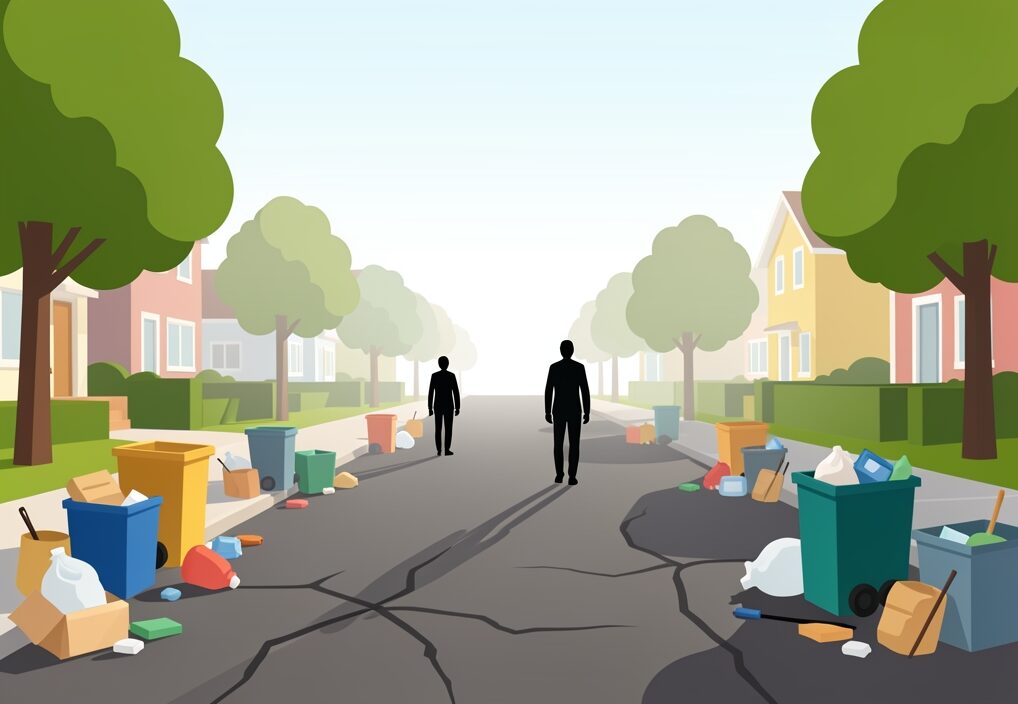
Days after a high-profile official visit triggered swift punitive measures, Lucknow garbage problems remain stubbornly visible across the city’s major thoroughfares. Uncollected waste, open dumping, and littered streets continue to confront residents, highlighting a persistent disconnect between high-level administrative crackdowns and ground-level municipal delivery. While civic authorities lean heavily on penalties and midnight demolitions, everyday sanitation management across neighborhoods remains severely disjointed.
The latest crisis stems from administrative fallout following a November 2 visit by Chief Minister Yogi Adityanath to a private hospital in Chinhat. In response to local observations, the civic administration moved aggressively. Officials imposed a penalty of ₹15 lakh on the sanitation agency Lucknow Swachhta Abhiyan (LSA), summarily dismissed 10 sanitation workers including a supervisor, and deployed bulldozers in a midnight drive to clear roadside huts and shops.
However, these theatrical punitive steps failed to translate into cleaner roads. A ground inspection across Ashiana, Dalibagh, Gomti Nagar Extension, and Viraj Khand revealed widespread heaps of plastic waste and organic refuse rotting under the festive air. Rather than solving the structural failure, the administration simply reassigned road sweeping duties in the affected locality to a different private entity, Lion Security, leaving fundamental accountability blurred.
The Accountability Vacuum in Municipal Contracting
For residents navigating the city, the core issue is not a shortage of punitive instruments, but a systemic failure in contractor oversight. Municipal sanitation in state capitals often relies on outsourced private agencies. When service standards plummet, authorities typically default to knee-jerk punitive measures—levying heavy fines or swapping contractors overnight—without establishing reliable monitoring mechanisms.
This cycle of crisis and retribution creates immense friction across local neighborhoods. Residents living near major commercial hubs often find themselves dealing with overflowing bins and choked drains. The festive rush only exacerbates the strain, mirroring the broader infrastructure pressures seen when Lucknow Traffic Gridlock Chokes City Roads Amid Heavy Dhanteras and Festive Rush, leaving urban systems buckling under peak seasonal demands. At the same time, commercial zones see spikes in economic activity, such as when Dhanteras automobile sales in Lucknow projected to soar past ₹150 crore, bringing more people into public spaces where waste collection remains stalled.
Furthermore, sanitation vulnerabilities do not exist in a vacuum. Accumulating garbage and stagnant waste compounds public health risks, particularly during seasonal shifts when residents already face elevated health hazards. Similar administrative vigilance is frequently demanded during public health crunches, such as when Scrub Typhus Testing Surges in Lucknow As Seasonal Infections Overlap. These overlapping health and safety challenges echo concerns managed by Government hospitals in Lucknow brace for firecracker emergencies and security measures like Lucknow Festive Security: Undercover Cops Deployed in Markets, reminding authorities that environmental hygiene directly dictates civic well-being.
When public areas deteriorate, the impact reaches visitors and residents alike. Infrastructure projects and developments, such as the additions highlighted in Lucknow Airport Hotels Added Under New Adani IHCL Pact, aim to welcome travelers into the city, making street cleanliness an essential priority for civic presentation. Furthermore, safety on roads remains tied to proper municipal maintenance, aligning with concerns raised after Lucknow Road Accidents Claim Three Lives in Alambagh and BKT where clear visibility and unblocked corridors matter.
Why It Matters
The persistent garbage crisis on Lucknow roads is a stark reminder that administrative optics cannot replace steady, accountable governance. For everyday citizens, students, and visitors, clean public spaces are a fundamental right rather than a seasonal luxury. When punitive actions against sanitation workers mask deeper structural flaws in contractor management, the city’s overall liveability suffers.
Addressing this recurring breakdown requires moving past knee-jerk penalties and enforcing transparent, daily accountability for waste management agencies. Until municipal authorities bridge the chasm between boardroom decrees and street-level execution, the state capital’s sanitation woes will continue to resurface.
Key Takeaways
- Superficial Crackdowns: High-profile penalties and bulldozer drives have failed to secure sustained cleanliness across key residential sectors.
- Contractor Confusion: Shifting street-sweeping responsibilities between private agencies without robust oversight leaves accountability fragmented.
- Public Impact: Uncollected waste threatens both neighborhood liveability and local public health during peak festive seasons.
For further details on the ongoing sanitation ground check, read the original reporting on Hindustan Times.