Prayagraj protest arrests: 10 held for vandalism as police lodge three FIRs
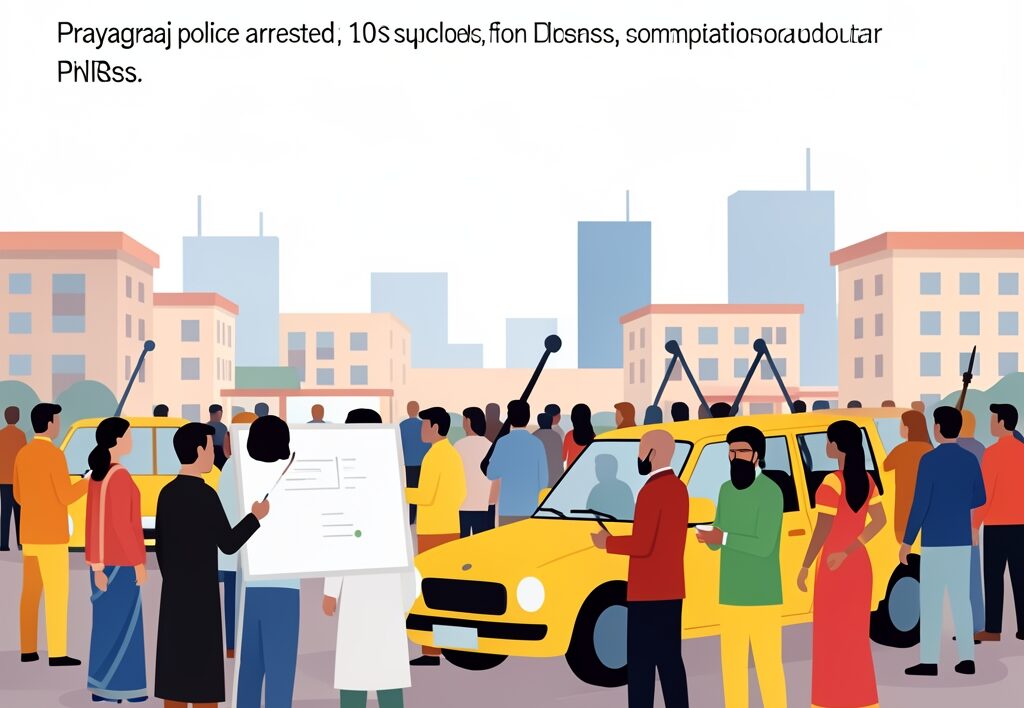
Prayagraj protest arrests made headlines on Monday after local police apprehended 10 individuals accused of attacking vehicles during turbulent student demonstrations at Civil Lines. The unrest, which erupted on July 25, prompted law enforcement to file three distinct First Information Reports under strict sections of the Bharatiya Nyaya Sanhita (BNS). For residents across Uttar Pradesh watching closely from cities like Lucknow, these developments highlight the delicate balance between civil demonstrations and public security.
According to DCP (City) Manish Shandilya, a mob took advantage of the student gatherings to incite violence and vandalize private and public transport. Police teams spent days reviewing CCTV footage and video clips gathered from the area to identify the wrongdoers. Among those sent to judicial custody are a local hotel worker and a known history-sheeter linked to the Naini police station. A fresh complaint was also submitted by a Bharatiya Janata Party leader whose vehicle sustained damage during the chaos, adding criminal intimidation charges to the case files.
When public demonstrations cross the line into open property destruction, the shockwaves are felt far beyond the immediate neighborhood. Local authorities find themselves walking a very thin line. On one side, they must protect the fundamental right of citizens and student bodies to voice grievances against administrative delays, exam mismanagement, or policy shifts. On the other side, they face immediate pressure from traders, commuters, and district administrators to clamp down on unlawful elements who use student platforms as cover for violence.
Cracking Down on Unruly Elements
The swift police response underscores a zero-tolerance approach toward public property destruction in Uttar Pradesh. When student grievances escalate into unlawful destruction, the civic administration faces immense pressure to separate genuine voices from opportunistic miscreants. Similar concerns regarding student rights and administrative accountability have sparked discussions across the state, drawing parallels to earlier events such as the Lucknow paper leak protest where citizens demanded transparency without descending into chaos. In a similar vein, public outrage over systemic flaws often gets hijacked by bad actors, reminding us of how criminal elements infiltrate public gatherings, much like the syndicate operations exposed during recent investigations or the shocking incidents seen during the Varanasi school teacher arrested after branding student with hot knife case where institutional trust takes a severe beating.
Law enforcement officials maintain that the investigation remains active. Authorities are scouring additional digital evidence to track down remaining participants who slipped away during the initial melee. Public safety infrastructure, including the widespread deployment of security cameras, played a decisive role in matching faces to the violence. Security cameras have become the primary witness in urban unrest across Uttar Pradesh, shifting police work away from guesswork toward precise digital forensics.
Broader Implications for UP Residents
For students, commuters, and the wider diaspora tracking local governance, maintaining peace during civil agitation remains a paramount priority. Unchecked vandalism not only disrupts daily transport but also shifts public discourse away from legitimate grievances. Security measures in urban centres across the state often tighten in response to such flashpoints, affecting everything from traffic diversions to local business hours. Similar vigilance is visible when authorities manage crowd control during massive religious gatherings, such as the precautions seen during the Kawar yatra traffic: Ghaziabad announces major road closures and diversions plan. Municipal authorities also stay on high alert for urban fire hazards and commercial violations, echoing safety debates seen after incidents like the Aliganj fire aftermath: Why Lucknow residential misuse still threatens safety discussions.
Administrative crackdowns also ripple into regional cultural and political discussions. Whenever law and order takes center stage in districts like Prayagraj or Varanasi, state leaders use these inflection points to signal their policy direction, mirroring the rhetorical strategies observed during events like the Yogi Adityanath Agra speech targets ‘Saifai syndicate’ and museum plans address. At the same time, opposition leaders continue to press for systemic educational overhauls, reminding voters of the broader demands raised during discussions surrounding the Mayawati urges focus on education system reform amid NEET controversy statements.
- 10 suspects identified and jailed based on extensive CCTV and video analysis.
- Three formal FIRs filed under BNS sections 191 (2), 324 (4), and 109 (1).
- Police probing external instigators who exploited the student demonstration.
Civic safety depends on peaceful dialogue rather than property destruction, making prompt accountability essential for urban stability.
Why it matters
Incidents in regional educational hubs like Prayagraj quickly ripple through the entire state administrative apparatus. When protests turn destructive, policymakers often recalibrate security protocols, which directly impacts public gatherings, student movements, and civic life in state capitals like Lucknow. Understanding these enforcement patterns helps residents anticipate traffic shifts, enhanced police patrols, and policy changes across Uttar Pradesh.
For further context on how urban administration handles localized disruptions and public safety enforcement, you can review ongoing updates on regional security trends. Ground-level monitoring ensures that citizens stay informed about how local policing impacts daily life, whether it involves cracking down on betting rings like the ones uncovered in recent urban raids or managing sacred community traditions such as the decisions made by religious bodies like the committee behind the New Ram Temple committee formed to guide Ayodhya rituals amid donation row updates.