Government hospitals in Lucknow brace for firecracker emergencies
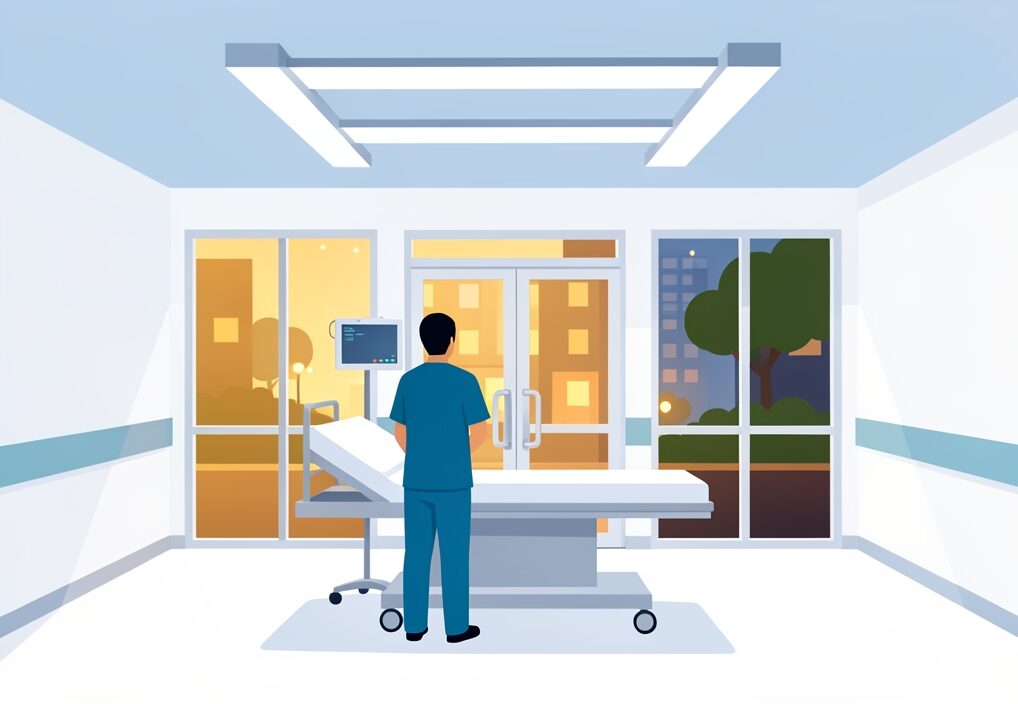
Government hospitals in Lucknow have swung into emergency preparedness mode as the city prepares for peak Diwali celebrations, deploying dedicated medical teams and reserving specialized beds for festival-related trauma. As families stock up on sweets and light lamps, the darker side of the celebrations—burns, eye injuries, and acute respiratory distress—demands immediate civic intervention.
According to reports from Hindustan Times, major state-run and autonomous medical institutions have overhauled their emergency protocols. Around 70 beds have been cordoned off across four primary healthcare hubs, ensuring that patients requiring urgent surgical or ophthalmological intervention do not face administrative delays when every minute counts.
Emergency Infrastructure and Medical Readiness
The sudden rush expected in emergency wards requires meticulous administrative planning. Medical authorities across the capital have cancelled routine leaves for critical care staff and reinforced trauma bays. The key facilities stepping up their preparedness include:
- King George’s Medical University (KGMU)
- Ram Manohar Lohia Institute of Medical Sciences (RMLIMS)
- Balrampur Hospital
- SPM Civil Hospital
Beyond physical infrastructure, hospital administrators have confirmed round-the-clock availability of essential pharmaceutical stocks, burn ointments, intravenous fluids, and rapid diagnostic services. This systemic vigilance mirrors recent administrative pushes seen elsewhere in the health sector, much like how Scrub Typhus Testing Surges in Lucknow As Seasonal Infections Overlap, forcing local medical systems to stay perpetually agile during changing weather and festive transitions.
Broader Health and Civic Implications
The medical mobilization happens against a backdrop of deteriorating environmental conditions across Uttar Pradesh. Air quality metrics have already dipped, prompting public health warnings from experts even before fireworks hit their seasonal peak. Families navigating congested markets—often patrolled closely under measures like Lucknow Festive Security: Undercover Cops Deployed in Markets—must also weigh the health hazards posed by unchecked particulate matter.
The logistical strain on urban emergency services extends beyond burns. Traffic congestion and road safety bottlenecks, reminiscent of issues highlighted when Allahabad HC Asks CBSE to Fix Lucknow School Traffic Chaos, can severely delay ambulances ferrying patients from densely populated neighborhoods like Alambagh or Mahanagar to central hospitals.
Ensuring prompt medical access during high-risk festivals remains a vital test of municipal emergency response capabilities across Uttar Pradesh.
Why it matters
For residents, visitors, and the wider diaspora keeping a close eye on home affairs, this medical alert underscores the fine line between festive joy and public safety. While commercial hubs report massive surges in consumer activity—evidenced by trends where Dhanteras automobile sales in Lucknow projected to soar past ₹150 crore—the civic machinery must quietly absorb the human cost of unmonitored safety standards. Healthcare workers bearing the brunt of these night shifts deserve community cooperation, starting with responsible handling of high-decibel explosives and chemical-heavy sparklers.
As commuters navigate festive routes—whether tracking projects like the Park Hospitals Uttar Pradesh: ₹200 Crore Prayagraj Project or checking transport networks after incidents such as Lucknow Road Accidents Claim Three Lives in Alambagh and BKT—public awareness remains the strongest defense against avoidable tragedy.