Ram Janmabhoomi temple stands as monument of Hindu pride: Vice-President in Ayodhya
Vice-President CP Radhakrishnan described the Ram Janmabhoomi temple as a monument of pride for all Hindus during an address at Ram Katha Park in Ayodhya on Saturday. Speaking as the chief guest at the milestone 10th edition of Deepotsav, Radhakrishnan emphasized that the grand shrine stands as a reflection of centuries of patient waiting and unrelenting struggle by lakhs of devotees across the country.
For residents across Uttar Pradesh and the global diaspora watching from afar, the remarks mark another chapter in the cultural transformation reshaping the region. The celebrations in Ayodhya draw massive crowds, reflecting the deep emotional resonance tied to the site. For travelers looking to understand the scale of these changes, exploring local initiatives like the Ayodhya heritage tour package up tourism provides clear context on how pilgrimage routes have evolved over recent years.
Looking Back at Five Centuries of Struggle and Regional Transformation
Addressing the gathering, Radhakrishnan noted that for nearly 500 years, the location remained the center of unfulfilled aspirations. He credited the sacrifices of Ram bhakts for altering the political and social landscape of the country, noting how grassroots persistence eventually culminated in the construction of the temple. These sentiments echo broader discussions taking place across the state, where political figures frequently debate historical milestones and past neglect, similar to themes seen in Ayodhya neglect claims by Yogi Adityanath.
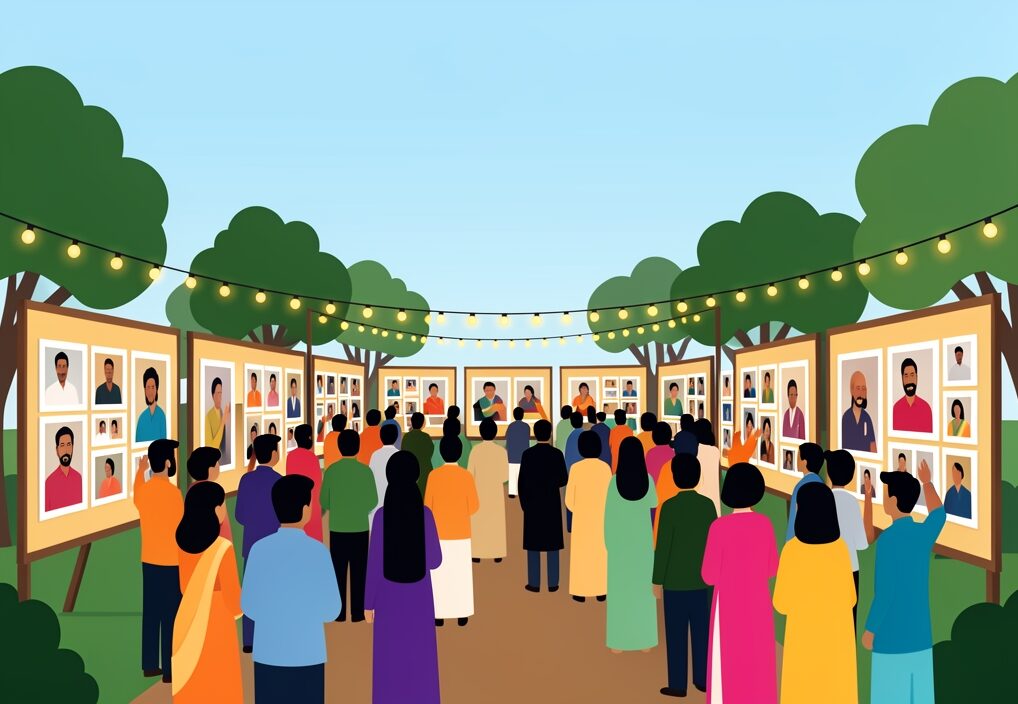
To document this journey, organizers have set up a special public exhibition at the venue. Titled ‘Ayodhya: Faith, Struggle and Revival’, the display brings together rare historical documents, photographs, manuscripts, and maps. Running on November 8 and 9, the exhibition traces the city’s ancient spiritual heritage and the intense mobilization that defined the movement, mirroring the massive public spectacles documented during events like Ayodhya Deepotsav 2026: 3 Million Earthen Lamps and Drone Show Mark a Decade of Celebrations and Ayodhya Deepotsav 2026: Thirty-Six Lakh Diyas Illuminate Saryu Banks in Landmark Edition.
As the state government pours resources into improving road connectivity, local commerce, and civic infrastructure, neighboring cities like Lucknow feel the ripple effects. Families planning weekend trips find themselves navigating new transit routes, while local authorities work overtime to manage the massive influx of pilgrims heading east toward the Saryu riverbanks.
Civic Impact and Cultural Reflection Across Uttar Pradesh
The transformation of Ayodhya extends far beyond symbolic milestones, altering traffic patterns, tourism economies, and local administration throughout the region. Visitors traveling from Lucknow and neighboring districts experience vastly improved infrastructure, though major festive surges frequently prompt comparisons with urban congestion challenges seen closer to home, such as the Lucknow traffic gridlock chokes city roads amid heavy Dhanteras and festive rush.
Key highlights from the ongoing celebrations include:
- The official inauguration of the 10th Deepotsav celebrations at Ram Katha Park by state dignitaries.
- Public access to the historical exhibition detailing the decades-long Ram Janmabhoomi movement.
- Extensive security, crowd management, and traffic diversion arrangements overseen by state police authorities.
- Surging hotel bookings and homestay expansions across Faizabad and surrounding rural sectors.
The realization of the temple project fundamentally shifts the cultural identity of Uttar Pradesh, bridging historic grievances with modern state-led tourism development and urban planning initiatives.
Why it matters for local residents
For everyday citizens, students, and visitors navigating the cultural shifts in Uttar Pradesh, events in Ayodhya dictate regional priorities, economic investments, and social discourse. Understanding the historical narratives showcased in these exhibitions helps residents contextualize the ongoing infrastructural overhaul across the state. As local markets adapt to high visitor volumes, small business owners in Awadh find new commercial opportunities while civic bodies tackle the logistics of managing millions of pilgrims every single season.
For further details on the official statements, read the full reports on Hindustan Times and the exhibition schedule on Hindustan Times Cities.