KGMU Trauma Care Upfront Fund: ₹11,000 Financial Relief for Lucknow Patients
Effective KGMU trauma care relies on removing early financial hurdles, which is why King George’s Medical University has fundamentally altered emergency admission protocols by crediting ₹11,000 upfront to every incoming trauma patient. Implemented to eliminate the harrowing bureaucratic delays that often plague critical care, this financial buffer ensures that life-saving interventions begin the moment registration is completed.
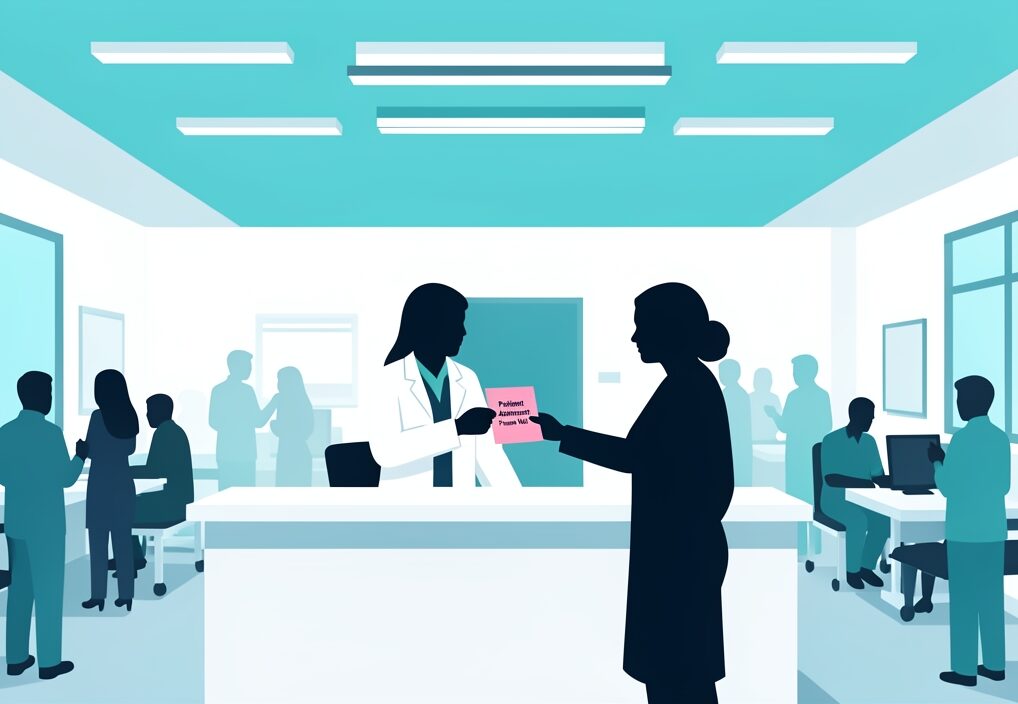
For families rushing a loved one into the bustling KGMU Trauma Centre, the initial hours are a blur of panic and mounting expenses. Previously, arranging diagnostic fees, blood panels, and emergency surgical supplies meant running frantically between counters while clinical care hung in the balance. Under the revised mechanism, patients are issued a pink slip that grants instant access to necessary medical resources without requiring direct cash payments at every turn.
Breaking Down Financial Barriers in the Golden Hour
The first 24 hours after a severe accident dictate survival outcomes. Recognizing this medical reality, hospital authorities removed historical eligibility walls. While the facility previously restricted financial aid to Below Poverty Line cardholders and destitutes, the current framework covers all surgical and non-surgical admissions uniformly. According to Trauma Centre Chief Medical Superintendent Dr Premraj Singh, the system has quietly operated across all emergency cases over the past four months, proving vital for everyday residents.
The upfront grant absorbs the immediate costs of critical diagnostic investigations, which traditionally drain a family’s liquidity before a bed is even secured. The covered services include:
- Comprehensive blood and urine laboratory tests
- Advanced imaging including CT scans, X-rays, and MRI scans
- Essential surgical consumables and emergency procedures
Furthermore, if a patient requires prolonged intensive management past the initial 24-hour window, the hospital provides unlimited financial top-ups. This structural safety net prevents mid-treatment discharges driven by depleted personal funds—a scenario that historically forced families to borrow heavily or transfer patients prematurely.
Why It Matters
Trauma care in Uttar Pradesh has long faced scrutiny over infrastructure bottlenecks, financial friction, and administrative delays. While institutions like SGPGIMS Lucknow handle advanced super-specialities, high-volume emergency centres carry the immense burden of street-level accidents and acute trauma referrals from across the state. By absorbing the initial friction of medical billing, KGMU directly addresses the systemic anxiety families face during medical emergencies.
However, financial relief at the registration desk must be matched by sustained institutional support. Past challenges at the campus—ranging from resident doctor grievances to concerns regarding patient dignity and discrimination—demonstrate that medical equity requires holistic administrative vigilance. Ensuring that the ₹11,000 credit translates into compassionate, uninterrupted care remains an ongoing operational test for hospital leadership.
For Lucknow residents and visitors navigating the city’s healthcare ecosystem, this policy offers tangible relief during moments of acute vulnerability. By removing the upfront cash barrier for diagnostics and stabilization, KGMU ensures that financial distress does not dictate survival during life-threatening emergencies.
Looking Ahead
As state-run medical institutions expand specialized education—mirroring developments seen elsewhere in the region, such as the establishment of the Gorakhpur Forestry University—the core metric of public health success remains point-of-care delivery for everyday citizens. Streamlining the entry point at Lucknow’s premier public hospital marks a welcome shift toward patient-first emergency management.
Source details and official updates regarding this initiative can be reviewed directly via the Hindustan Times report.