Lucknow Traffic Jams: 25 Racer Mobiles Upgraded to Marshals
Commuters navigating Lucknow traffic jams on Wednesday evening faced the familiar frustration of gridlocked corridors, but a fresh enforcement strategy aims to loosen those bottlenecks. Facing compounding pressures from heavy monsoon spells and waterlogging, local authorities have moved swiftly to overhaul emergency enforcement.
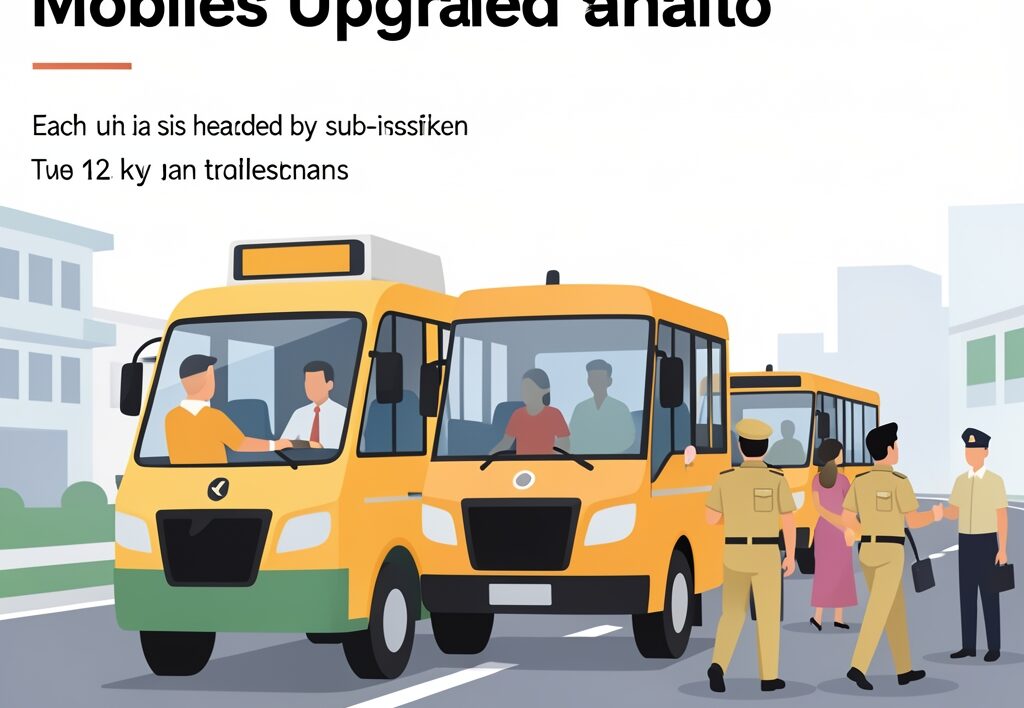
Traffic authorities in Lucknow have officially upgraded 25 of their 42 racer mobiles into dedicated, officer-led sub-route marshals designed to slash response times to congestion spots. Launched initially in June of last year under the Reducing Traffic Congestion (RTC) project, this latest upgrade transitions the motorcycles from static positioning to active, continuous surveillance across 12 major city routes.
How the Sub-Route Marshal System Works
Instead of waiting at fixed intersections where their utility remains limited to a single junction, these upgraded units will now maintain constant mobility. Each marshal team consists of a traffic sub-inspector paired with a traffic constable. Together, they will log up to 100 kilometers daily per vehicle.
Their operational mandate is direct and unyielding:
- Patrol designated sub-routes continuously to spot early warning signs of blockages.
- Respond immediately to localized waterlogging, broken-down vehicles, and sudden traffic disruptions.
- Coordinate real-time clearances during peak commuting hours when arterial roads face maximum strain.
This tactical shift comes as repeated downpours continue to compromise city roads. Recent weather events have exposed longstanding vulnerabilities in urban drainage, frequently mirroring the chaos documented when heavy rain in Lucknow floods roads and submerges residential pockets. When vital arteries go under, the entire commuting network stalls, making rapid intervention essential.
Beyond the immediate monsoon headaches, daily life in the city has faced cultural shifts, much like the quiet left behind by the Indian Coffee House Lucknow closure leaves Hazratganj silent. Yet, civic bottlenecks remain the most persistent thorn in the side of working residents trying to cross town.
Why It Matters for Daily Commuters
For residents, office-goers, and students trying to cross the city, the effectiveness of civic infrastructure dictates daily productivity. Stretches that previously remained paralyzed for hours due to minor vehicular breakdowns or stagnant rainwater often lacked immediate administrative oversight. The presence of mobile sub-inspectors directly on these sub-routes introduces localized accountability.
However, mobile patrols alone cannot solve systemic urban bottlenecks. While police units work to clear choke points, broader municipal interventions remain vital. Similar scrutiny has fallen on other urban departments, especially after Lucknow municipal projects face scrutiny as mayor reprimands contractors over delayed or substandard public works.
Long-term urban health requires holistic improvements, similar to ongoing efforts like Gomti river cleaning set for year-end completion in Lucknow. Meanwhile, severe weather patterns threaten long-term habitability, echoing warnings highlighted in studies regarding the Lucknow humid heat crisis threatening thousands of lives by 2050.
Residents have also seen how severe weather disrupts routine transit on multiple fronts, much like when Lucknow monsoon rain floods key stretches and paralyzes traffic across the urban core. For now, the upgraded racer mobiles offer a much-needed tactical shield against complete gridlock.
Other civic domains are seeing regulatory shifts as well, ranging from legal checks on administrative overreach, such as when the Lucknow juvenile arrests: Allahabad HC cautions police and magistrates ruling was issued, to everyday municipal compliance tackled by new Lucknow pet licensing rules: New fees for dogs and cats. Urban transformation also appears in unexpected places, such as the new Fragrance park Lucknow opens on former garbage site in Chowk, proving that public spaces can be reclaimed from neglect.
As the city looks toward future growth, symbolized by events like the 80th Independence day celebrations in Lucknow mark patriotic fervour, smooth daily transit remains the foundation of urban life.
Key Takeaway: The success of these 25 newly minted sub-route marshals will depend entirely on consistent deployment and seamless coordination with drainage and municipal repair crews during peak monsoon disruptions.
Sources
Reporting for this article is based on official updates and local briefings. Read the original reporting via Hindustan Times.