Lucknow University SC/ST Teachers’ Body Revived After Decade With Landmark Election
Lucknow University SC/ST teachers stepped back into active academic democracy on Thursday, reviving their representative association through a rare, fiercely contested election after more than a decade of dormancy. Held at the university’s staff club under the watchful eye of returning officer Prof Kaviraj, the poll saw an enthusiastic turnout as 70 out of 71 registered voters cast their ballots to shape the future of campus advocacy.
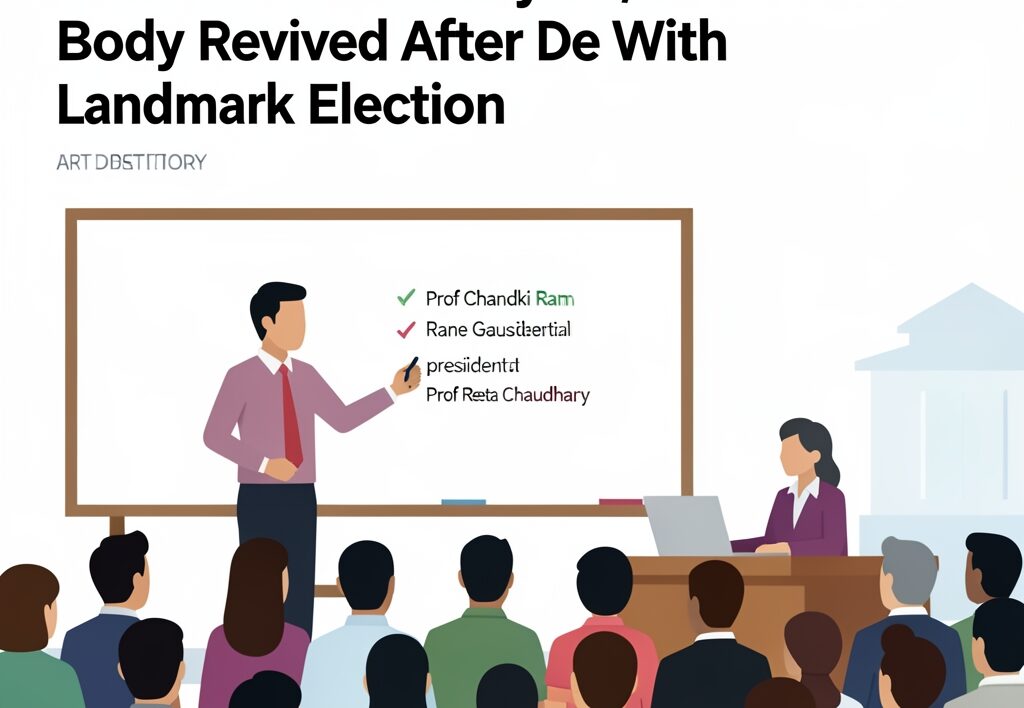
The ballot box outcome reshaped the leadership of the faculty collective, which was originally established back in 2007 by just 12 founding educators. Prof Chandki Ram Gautam from the Physics department secured the presidential seat by bagging 39 votes. He defeated the outgoing president, Prof Reeta Chaudhary from the Hindi department, who managed 31 votes. For faculty members who spent years waiting for regular elections, this reset signals a welcome shift toward transparent administration and active engagement.
A Decade of Quiet Ends on Campus
For years, faculty welfare bodies across state universities have faced questions regarding their active engagement and regular electoral cycles. Campuses thrive when institutional governance meets active representation. Students navigating campus life often look up to faculty bodies to safeguard academic integrity and equity. This shift echoes broader academic discussions across the state, mirroring regional anxieties seen when looking at institutional transparency data, such as IIT-Kanpur faculty vacancies reveal zero SC/ST professors in recent RTI data.
Elections ground a collective in accountability. When campus bodies run smoothly, they influence everything from student welfare to administrative policy. Just as the university community tracks changes like the Lucknow University Hostel Mess Fee Hike Rumors Debunked by Administration, faculty unions play a practical role in keeping communication channels open between educators and the administration. When lines of communication break down, administrative oversight suffers, affecting the broader academic atmosphere across Uttar Pradesh.
Beyond internal campus management, active teacher associations help bridge the gap between state-level policy decisions and ground-level classroom realities. Observers note that when educators organize freely, they can better address systemic hurdles, mentoring gaps, and professional equity. Similar civic conversations ripple outward into regional politics, touching debates on social justice similar to those analyzed around Mayawati Akhilesh Yadav Lucknow Politics Clash Over PDA Strategy.
Looking Ahead for Lucknow University Faculty
With a fresh leadership team now at the helm, the association faces renewed expectations. Academic circles across Uttar Pradesh are watching closely to see how the newly elected executive committee addresses faculty grievances, professional development, and campus inclusivity.
- President-elect: Prof Chandki Ram Gautam (Physics Department)
- Runner-up: Prof Reeta Chaudhary (Hindi Department)
- Supervising Authority: Returning Officer Prof Kaviraj
As the campus prepares for upcoming academic milestones—echoing celebrations like the Lucknow University Convocation 2026: Three Students to Receive Nine Medals Each—strong internal representation ensures that faculty voices remain unified. Observers hope this election signals a permanent return to regular democratic renewals rather than a one-off event. Past updates on city-wide academic achievements, including those covered in the Lucknow Pulse | Aug 1 roundup, show that institutional health directly impacts student success.
Meanwhile, other critical urban institutions continue to upgrade public facilities across the city, such as the rollout of KGMU Bone Bank: Uttar Pradesh’s First Comprehensive Facility Opens in Lucknow, proving that institutional milestones require steady governance.
Transparent faculty representation builds stronger, more resilient higher education institutions across Uttar Pradesh.
Why it matters
A thriving university requires active dialogue between faculty and top-tier administration. When professional associations hold regular elections, they build institutional trust and protect faculty rights. For students, alumni, and the broader diaspora keeping an eye on Lucknow, a healthy campus climate ensures that higher education standards remain high and equitable. Uninterrupted faculty governance prevents administrative overreach and keeps student-focused initiatives, such as those monitored after events like Gen Alpha Students Stage Second Protest in Lucknow Over Teacher Shortage Amid Heavy Rain, from falling through the cracks.