Meerut Dussehra Tradition Maintained in Shimla by Muslim Family
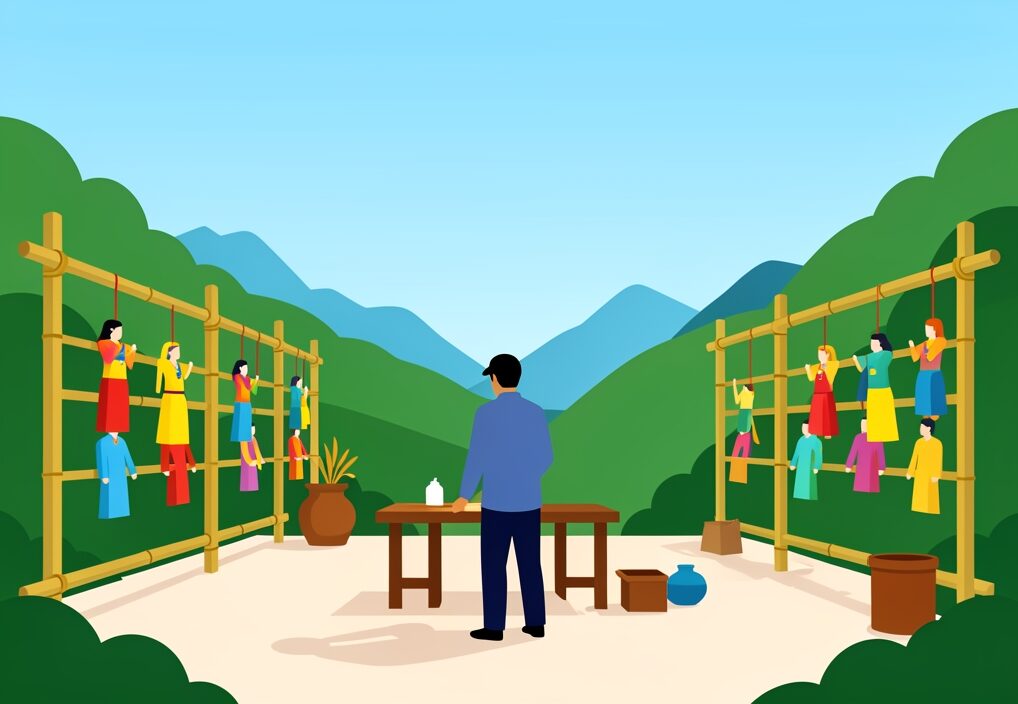
Across cultural divides and regional boundaries, the Meerut Dussehra tradition continues to thrive high in the Himalayas. Ahead of the festival on October 20, a Muslim family from Meerut in Uttar Pradesh is meticulously crafting towering effigies of Ravana, Kumbhkaran, and Meghnad at Shimla’s historic Jakhu temple. These papier-mâché and bamboo structures will soon go up in flames, symbolizing the annual triumph of righteousness over malice.
For young artist Mohammad Sohil and his relatives, the journey from western Uttar Pradesh to the hill station of Shimla represents a lifelong family vocation. While Sohil has personally spent two decades traveling to the capital of Himachal Pradesh for this seasonal craft, the broader family lineage associated with building these effigies spans nearly 70 years. Their work stands as a quiet reminder of shared cultural roots that long predate contemporary political divisions.
A Home Within Sacred Grounds
Life during the weeks leading up to Dussehra is entirely centered around the temple complex for Sohil and his team. They sleep, cook, and work directly within the temple premises, sharing space with devotees, priests, and temple administrators.
- Artisans travel annually from Uttar Pradesh to Shimla to construct giant effigies.
- The family resides inside the temple grounds throughout the preparation phase.
- Local residents and temple managers extend warm hospitality without any friction.
“We have been coming here for the past 20 years. Earlier, our elders used to come, and now we have continued the tradition,” Sohil said, as reported by Hindustan Times. “We live in the temple and eat here. We have never faced any problems. Everyone treats us with love and respect.”
Such narratives often surface around festival seasons across northern India, pointing to deep-rooted economic and artistic interdependencies. While other districts in western Uttar Pradesh frequently dominate news cycles for political tensions—such as the recent administrative disputes seen in Samajwadi Party Meerut reports, highway incidents like the Meerut-Karnal highway accident, investigations such as the Meerut husband murder investigation, or judicial updates like the Meerut blue drum case verdict—grassroots traditions like Sohil’s remind observers of a very different everyday reality.
Why It Matters for Lucknow Readers and the UP Diaspora
For residents, students, and the wider diaspora connected to Uttar Pradesh, stories originating from Meerut often carry complex baggage. Yet, the diaspora spread across India and abroad looks toward these cultural conduits with nostalgia. Craftsmanship and festival economies have historically relied on families moving seamlessly across state lines. Whether it is artisans traveling to Himachal Pradesh or local workers managing civic challenges back home—ranging from unseasonal rain crop losses, improvements at KGMU patient facilities, administrative actions like a railway official dismissed over bribes, clean energy milestones like the Khargapur Solar Village project, or urban updates like the Lucknow power crisis—the human element remains central.
The enduring partnership between a Meerut artisan family and a Himalayan temple committee demonstrates that shared heritage remains resilient against polarizing forces.
As visitors gather around Shimla’s ridges on October 20 to watch the massive effigies burn, the sparks will illuminate a seventy-year legacy built by hands from Uttar Pradesh. It is a tradition rooted in mutual respect, quiet dedication, and the enduring craft of festival artistry.