
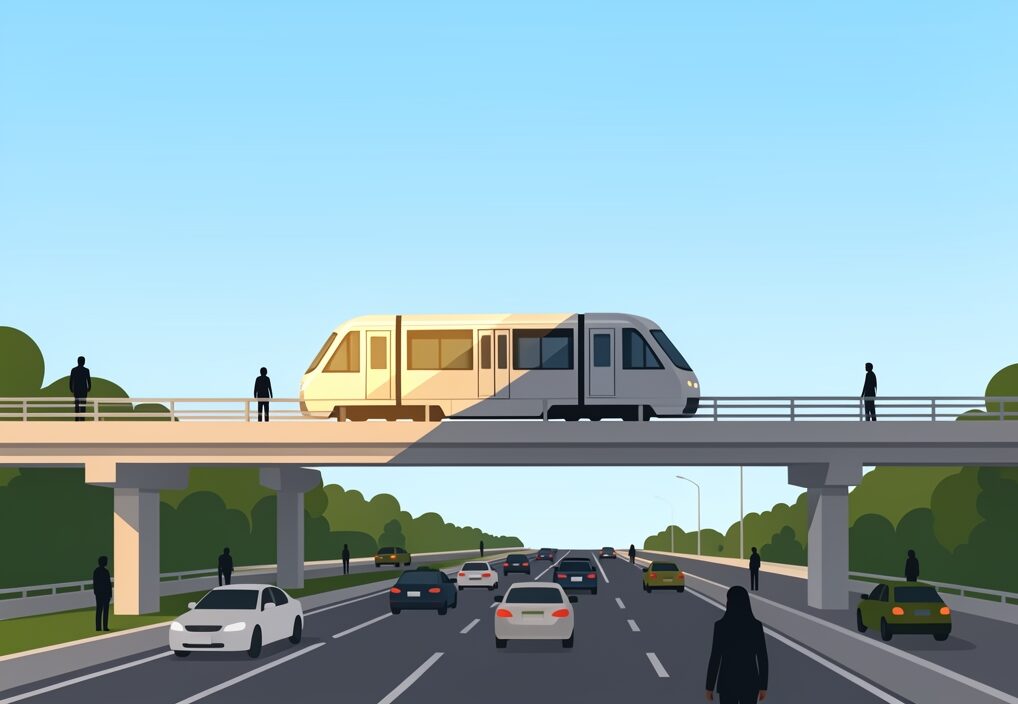
Noida Metro extension clears ₹2,390-crore hurdle, linking Blue and Aqua lines for seamless travel
Noida Metro extension plans received final backing on Wednesday as the Union Cabinet approved an 8.449-kilometre corridor costing ₹2,390 crore. Chaired by Prime Minister Narendra Modi, the decision clears the path for direct connectivity between the Aqua Line and the Delhi Metro network, addressing long-standing commuter bottlenecks in the National Capital Region.
The newly cleared route will stretch from Noida Sector 51 to Greater Noida Sector 4, incorporating five elevated stations along the way. Once operational, the expansion will push the total active metro rail network across Noida and Greater Noida to 71.878 kilometres. Union Minister Ashwini Vaishnaw highlighted that the corridor directly serves an area packed with IT companies and Global Capability Centres, streamlining journeys for thousands of corporate professionals who navigate chaotic surface traffic daily.
Bridging Transit Gaps in the NCR
For daily commuters, the absence of a direct interchange has long meant frustrating detours, wasted hours, and heavy road congestion. This project specifically introduces a much-needed interchange facility with the Delhi Metro’s Blue Line at Noida Sector 61. Regular travelers moving between residential sectors and commercial workplaces will notice immediate relief once construction wraps up. Similar large-scale connectivity pushes have been closely watched across the state, mirroring regional developments seen in projects like the Noida Metro Aqua Line record ridership milestones achieved recently by the corporation.
Infrastructure experts note that transit networks grow more effective only when individual lines stop operating in isolation. The integration of the Noida Metro extension answers this exact problem. Beyond daily office commutes, the alignment promises smoother transit toward proposed multimodal transportation hubs, upcoming regional transit stations, and railway terminals, improving overall regional mobility.
To support this surging urban density, auxiliary projects are also moving through administrative pipelines. For instance, the region has seen related civic upgrades such as the Noida Flyover Project DPR sent for technical vetting, which aims to smooth out arterial bottlenecks near major tech corridors. Similarly, municipal administrators remain alert to site security and material integrity, referencing past local challenges such as those managed during investigations into Noida construction sites theft of iron rebars.
Impact on Residents and the Wider UP Diaspora
While the physical tracks are laid hundreds of kilometres away from Awadh, infrastructural expansions in the state’s western economic engine resonate deeply with Lucknow residents, students, and the broader Uttar Pradesh diaspora. Fast-expanding urban nodes set economic benchmarks for the entire state. Better transit systems attract global investments, boost local property markets, and set administrative templates for civic bodies elsewhere in Uttar Pradesh—echoing strides seen in initiatives like the UP Cabinet expressways and Robotics Park approved in major infrastructure push.
State planners recognize that robust transit directly influences economic participation. Much like how commercial hubs in Awadh grow alongside initiatives such as Dhanteras automobile sales in Lucknow projected to soar past ₹150 crore, consumer confidence in the NCR scales upward when commuting friction drops. Clean transport options also align with broader hospitality and real estate momentum, similar to commercial developments highlighted in the Lucknow Airport Hotels added under new Adani IHCL pact.
- Seamless interchange between Aqua and Blue lines at Sector 61.
- Five new elevated stations easing access to schools, hospitals, and offices.
- Enhanced links to upcoming airport corridors and transport hubs.
The ultimate success of the ₹2,390-crore corridor lies in cutting down travel times while relieving heavy arterial road congestion for thousands of families.
Why it matters
Urban transit improvements directly influence regional productivity and real estate stability. As detailed in reports by outlets like the Free Press Journal, the project specifically targets high-density zones where middle-class families and young professionals reside. For students and working professionals hailing from Lucknow who migrate to the NCR for employment, robust public transit translates to lower daily stress and predictable travel hours. Keeping infrastructure investments moving forward remains a top priority for state planners balancing rapid urbanization across all corners of Uttar Pradesh.