Parking dispute violence in Ludhiana highlights growing urban rage across northern cities
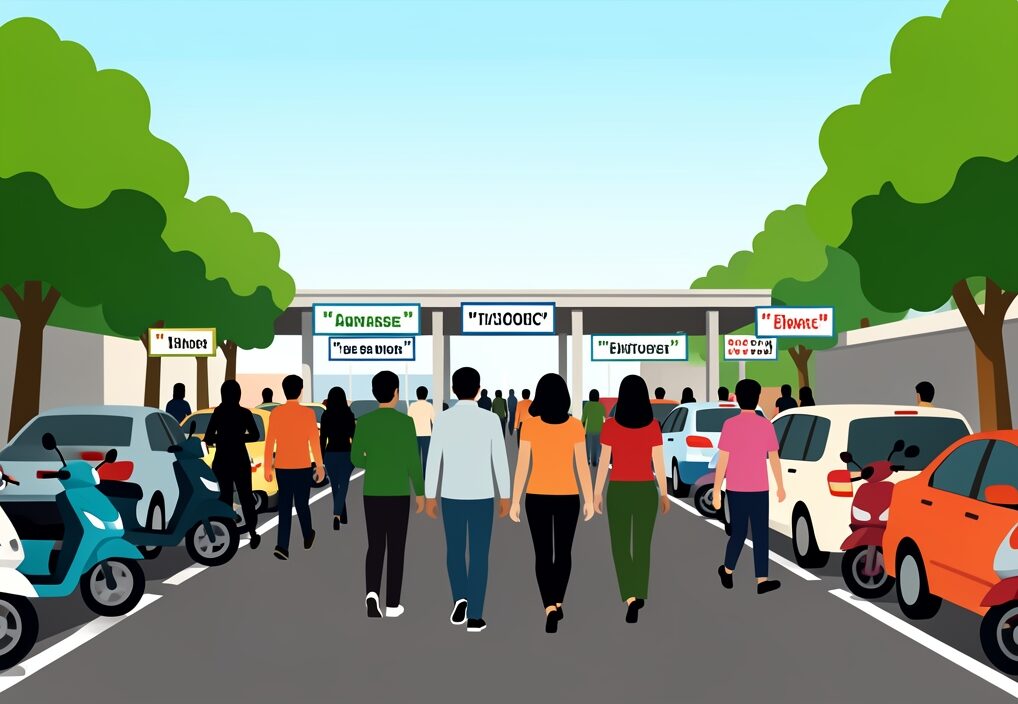
Parking dispute violence erupted outside the Amar Shaheed Sukhdev Thapar Interstate Bus Terminal in Ludhiana when a minor disagreement over vehicle placement escalated into a brutal assault. On September 14, a 27-year-old woman named Varjpreet Kaur and her brother were attacked with baseball bats by three men after she refused to move her scooter to clear a path for a Maruti Suzuki Ciaz car. The Division number 5 police registered an FIR against the accused—identified as Atul, Dilpreet Singh, and Ishpreet Singh—following a complaint by Kaur, who resides near Bharat Nagar Chowk. While the physical injuries heal, the incident exposes a worrying trend of volatile tempers dominating shared public spaces in urban centers.
For residents watching these developments from Uttar Pradesh, the episode strikes a familiar chord. Public spaces in growing cities face intense pressure as vehicular populations outstrip available infrastructure. When civic systems strain under the weight of traffic congestion, human patience wears thin. Similar street-level altercations over parking slots, blocked gateways, and momentary delays routinely threaten public safety. From similar flare-ups documented in Ghaziabad firing incident over firecrackers to localized disputes handled by local authorities, unchecked aggression remains a pressing municipal concern. Urban residents navigate crowded streets daily, where minor inconveniences frequently trigger disproportionate retaliation. These tensions occasionally surface alongside unrelated municipal headaches, such as the Lucknow Crematorium Murder: Contractual Worker Killed Over Video Dispute at Baikunth Dham or disputes regarding public venues like the Lazeez Gali Lucknow Food Hub Project Sealed by LDA Over Unpaid Dues.
The anatomy of street-level escalation
The sequence of events in Ludhiana follows a predictable and dangerous trajectory. A routine errand—in this case, picking up a sibling from a busy transport hub—transforms into a confrontation because basic civic tolerance has eroded. The accused individuals arrived in a car, demanded priority access over a parked scooter, and resorted to verbal abuse when challenged. Refusal to yield immediately invited physical violence and the destruction of personal property, as the attackers vandalized the victim’s scooter before fleeing.
This breakdown in civil behavior points to a deeper societal malaise. Law enforcement agencies face an uphill battle in curbing impulse-driven crimes that erupt without warning in public view. While municipal corporations focus heavily on infrastructure development—akin to discussions surrounding projects like Agra industrial project: Supreme Court Orders Fresh Meeting Over Agra Industrial Project Near Taj Mahal or transit expansions—the softer side of urban governance often gets sidelined. Public safety depends as much on the psychological well-being and civic discipline of citizens as it does on police patrols.
Why it matters for Lucknow and regional urban centers
Urban migration and rising vehicle ownership have transformed cities across northern India into pressure cookers. As commercial hubs expand, spaces for parking and transit shrink relative to demand. For commuters in Lucknow, Delhi, and Ludhiana alike, navigating local markets or transport terminals requires constant vigilance against sudden hostility. Unchecked road rage and aggressive entitlement in public spaces threaten the very fabric of safe community living.
Civic authorities must look beyond immediate punitive measures like filing FIRs after an assault occurs. Preventing such violence requires proactive community engagement, better-regulated parking management in commercial zones, and strict penalties for public intimidation. When authorities fail to enforce orderly conduct, citizens are left vulnerable to volatile individuals who treat public roads as private domains.
- Strict enforcement of parking regulations around high-density transit hubs.
- Faster police response times to minor street-level arguments before they turn physical.
- Public awareness campaigns promoting patience and basic conflict resolution in traffic.
- Clear demarcation of public pathways to prevent unauthorized blocking by vehicles.
As urban centers continue to grow, incidents reported in outlets such as Hindustan Times serve as cautionary tales. Ensuring that a routine trip to the bus station does not end in a hospital visit requires a collective re-commitment to civic decency and the rule of law.
Related civic safety discussions can be tracked through updates on incidents such as the State Human Rights Commission Seeks Inquiry Report Over Prayagraj Pipe Accident Death or local administrative actions that shape everyday urban management across the state.