
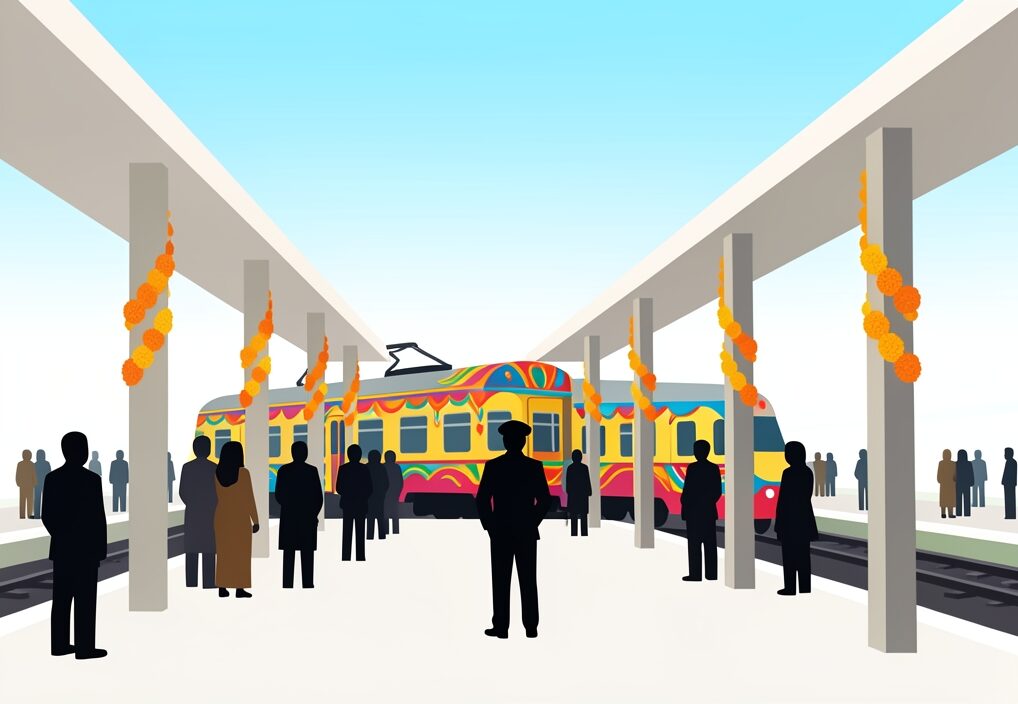
Saryu-Kamala Express Connects Ayodhya to Janakpur Directly
The Saryu-Kamala Express officially rolled onto the tracks on Monday afternoon, bridging a historic geographical gap between the sacred birthplaces of Lord Ram and Mata Sita. As the whistle blew at Ayodhya Dham Railway Station, chants of “Jai Shri Ram” and “Jai Sita Maiyya” rang out across the platform. Prime Minister Narendra Modi and his Nepalese counterpart, Balendra Shah, jointly launched the weekly trans-border service via video conferencing from New Delhi, while Uttar Pradesh Chief Minister Yogi Adityanath flagged off the inaugural train on the ground, setting a new milestone for cross-border passenger transit.
This development follows earlier regional transit enhancements, aligning with broader initiatives such as the Ayodhya-Janakpur Rail Link discussions. For residents across Uttar Pradesh, especially pilgrims setting out from Lucknow, this direct route cuts through older transit hurdles that previously required multiple layout changes or cumbersome road journeys to cross into Nepal’s Mithila region. Instead of enduring exhausting bus rides or complex train changes, families can now book a straightforward passage.
Lucknow serves as the key administrative and transport hub for this corridor. Commuters and travelers coming from the state capital no longer have to navigate fragmented routes. By streamlining immigration and railway integration, federal and state planners have turned a longstanding cultural dream into a reliable, scheduled weekly journey. Local tour operators in Lucknow report an immediate spike in enquiries from senior citizens and family groups eager to visit Janakpur without the traditional transit bottlenecks.
Reviving Cultural and Economic Ties Across Borders
Speaking at the grand launch ceremony, Chief Minister Yogi Adityanath emphasized the deep historical convergence. “Shri Ayodhya Dham and Mithila…the sacred and mythological confluence of two cultures is being revived today as the Saryu-Kamala Express between Shri Ayodhya Dham and Janakpur Dham starts,” Yogi remarked. He added that the service will serve as a vital conduit strengthening enduring friendship, shared heritage, and bilateral economic ties between India and Nepal.
This rail connection slots neatly into a wider ecosystem of religious tourism and infrastructure development across the state. Travelers looking to experience spiritual circuits can pair this journey with packages modeled after the Ayodhya heritage tour package up tourism offerings, or expand their itineraries to include broader regional hubs. In many ways, the route complements high-speed domestic corridors like the Vande Bharat sleeper train launch uttar pradesh, signaling a massive modernization wave across the region’s rail network.
Furthermore, local merchants and small business owners in districts bordering Nepal anticipate an uplift in commercial activity. When passenger transit becomes seamless, cross-border trade in regional handicrafts, textiles, and ritual items naturally accelerates. This economic trickle-down effect benefits vendors from Ayodhya down to Lucknow who supply the booming pilgrim economy.
What This Means for Travelers and the Diaspora
- Seamless weekly transit between two of the most revered cultural centers in South Asia without layout changes.
- Boosted local commerce, hospitality, and cross-border tourism for traders and devotees alike.
- Enhanced regional integration running parallel to grand events like the Ayodhya Deepotsav 2026 3 million lamps drone show.
- Expanded multi-destination pilgrimage planning alongside the upcoming Dharm yatra tourism circuit set to connect Prayagraj, Ayodhya, and Kashi in December 2026.
- Strengthened civic ties supporting regional youth initiatives akin to the State Transformation Commission: Yogi Adityanath Orders Private Sector Perks to Direct Youth Benefits framework.
For the UP diaspora and international visitors tracking developments from Lucknow, the train represents a tangible material bridge across borders. Government officials note that streamlining this route eliminates logistical friction for thousands of pilgrims who traverse between the twin cultural capitals every year.
The launch of the Saryu-Kamala Express transforms a mythological bond into a practical weekly commute, permanently altering how devotees and tourists experience cross-border heritage travel.
Why It Matters for Civic Growth and Regional Mobility
Infrastructure projects of this scale do more than simply move passengers from one platform to another. They anchor economic growth in tier-2 and tier-3 towns across Uttar Pradesh, feeding into hospitality, local handicrafts, and regional transport. As state administrators continue aligning tourism with modern transit—much like the discussions surrounding the Ram janmabhoomi temple monument of hindu pride vice president ayodhya milestones—Lucknow acts as the primary administrative and transit springboard for travelers heading toward these newly connected destinations.
For everyday residents of Uttar Pradesh, expanding rail connectivity reduces highway congestion and lowers travel costs. As security and transit measures tighten—echoing past local administrative reviews such as the response to security alerts like the Ayodhya man arrested in Lucknow for pasting train threat letters at Charbagh station—passengers can also expect safer, more regulated rail journeys across northern railway divisions.
Sources: