UGC equity regulations put BJP in tight political spot across Uttar Pradesh
As the Union government moves to revisit the University Grants Commission’s UGC equity regulations, the ruling Bharatiya Janata Party finds itself walking a tight political tightrope in Uttar Pradesh. The shifting stance on these campus anti-discrimination guidelines exposes the fragile caste arithmetic that governs electoral fortunes in the heartland. Scheduled Castes, Scheduled Tribes, and Other Backward Classes back the stringent safeguards. Meanwhile, upper-caste communities, long considered the foundational voter base for the party, have voiced strong concerns over the potential misuse of these provisions.
On Thursday, the government informed the Supreme Court that a dedicated committee will be established to review the contentious rules after they were initially put in abeyance. For residents, university students, and the diaspora keeping a close watch on state affairs, this policy pivot highlights how campus administration intersects directly with street-level political anxieties. Similar policy adjustments often ripple through regional alliances, bringing parallel debates like the Nishad Party SC quota demand puts fresh pressure on BJP alliance in Uttar Pradesh into sharp focus. Local leaders are also managing legislative priorities, keeping an eye on movements like UP MLC polls 2026: BJP top leadership sprints into final campaign phase across state as organisational machinery shifts into higher gear.
Balancing Act Between Core Bases and Marginalised Communities
Political calculations in Lucknow and surrounding districts rarely operate in a vacuum. The central leadership faces the difficult task of placating upper-caste voters who felt alienated by the original rules, without alienating the broader coalition of marginalised communities. Party strategists understand that any perceived backtracking on social justice commitments could dismantle years of meticulous grassroots outreach. This delicate dance is further complicated when opposition figures step up street agitation, drawing swift counter-mobilisations similar to tensions seen during incidents like Aradhana Mishra Slams BJP Women Wing Protest Outside Congress office in Lucknow.
This tightrope walk runs parallel to broader political mobilizations across the state. Parties are gearing up their organisational apparatus well in advance of the electoral cycle, echoing past campaigns such as when Shivraj Singh Chouhan Lucknow Rally Launches BJP Mission-2027 set early momentum. Grassroots cadres now face the challenge of explaining nuanced policy reviews to voters in tea stalls and university campuses alike. Meanwhile, civic leaders watch administrative shifts, noting how separate legal developments like the Uttar Pradesh Anti-Conversion Law: Allahabad HC Grants Bail to Eight Convicts continuously shape public discourse on institutional fairness.
- Upper-caste voters seek protection against potential regulatory misuse.
- SC, ST, and OBC communities demand firm protections against campus discrimination.
- State leadership must manage competing demands without eroding trust.
Why it matters for Lucknow and the Heartland
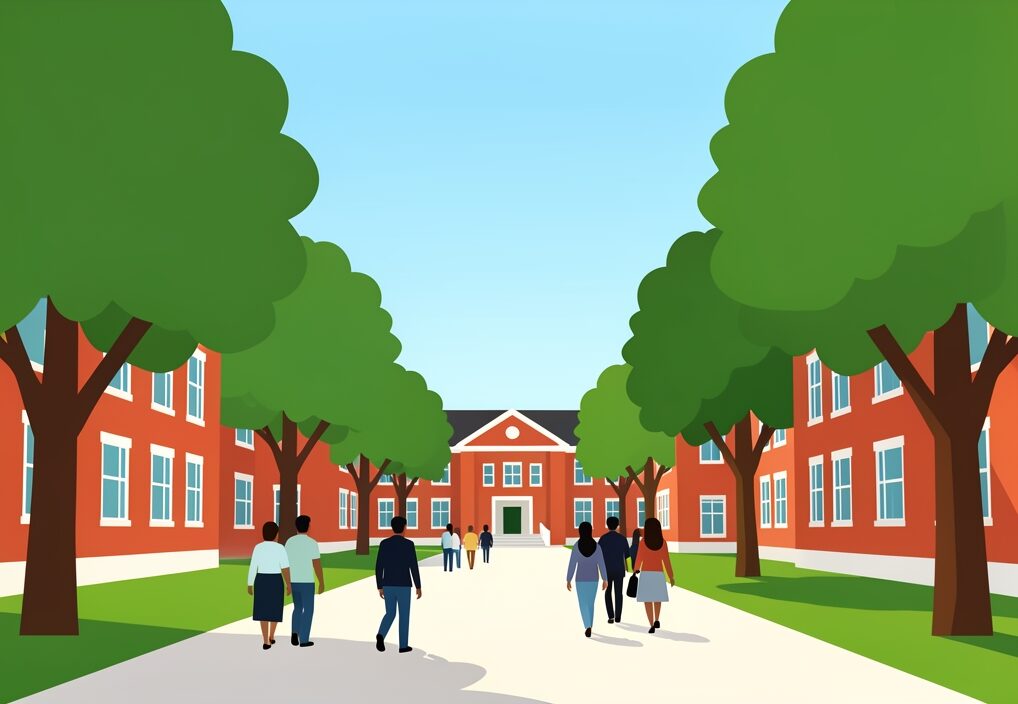
Higher education campuses in Lucknow and across Uttar Pradesh serve as barometers for social equity and state politics. When national guidelines shift, the impact hits local universities immediately, influencing student politics, faculty appointments, and administrative transparency. For families tracking educational policy, these regulatory changes dictate the safety, fairness, and inclusivity of academic spaces where the next generation trains. The capital city often reflects broader economic shifts too, matching trends observed when Uttar Pradesh manufacturing Emerges as Top Hub with 9.28% GVA Jump highlights regional development outside purely political arenas.
Furthermore, party leaders remember earlier historical transitions and figures who shaped local political identity, similar to the legacy discussed when RK Sinha death: Remembering the BJP Veteran and Industry Pioneer brought local cadres together in mourning. Navigating institutional equity while keeping diverse social groups aligned requires delicate political navigation that will define upcoming campaigns. Observers also note how public demonstrations unfold or stay muted, recalling instances like CEC protest Uttar Pradesh: Why the capital stayed quiet during Saturday’s agitation call where urban centres reacted with unexpected calm.
As election season approaches, debates over institutional fairness will continue to shape public discourse. Whether the newly announced committee can bridge the gap between safeguarding marginalised students and reassuring core supporters remains the central question for political observers in the state capital.
Key Takeaway: The Centre’s decision to review equity guidelines highlights the intense pressure political parties face in balancing competing caste interests within university spaces ahead of state elections.