
Ancient Underground River Discovery in UP Sparks New Scientific Push for Groundwater Security
The recent underground river discovery in Uttar Pradesh marks a major turning point, proving that the state is finally turning to deep antiquity to solve a very modern crisis. In a fresh push for water security across the Gangetic belt, the Yogi Adityanath administration has rolled out a ₹1.65-crore Managed Aquifer Recharge (MAR) project across the Ganga-Yamuna Doab. Announced right here in Lucknow, this three-year scientific initiative directly targets declining water tables by capturing surface rainwater and funneling it back into natural underground reservoirs before summer shortages set in.
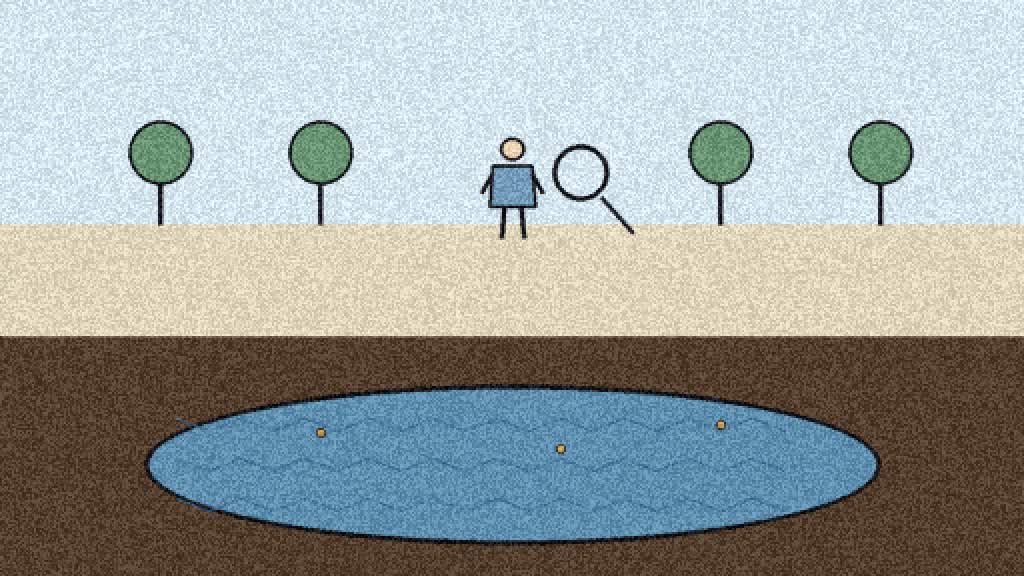
At the center of this breakthrough is an extraordinary geological finding that is reshaping regional hydrology. Scientists have identified a 200-kilometer-long ancient underground river, commonly referred to as a paleochannel system, stretching between Kanpur and Prayagraj. Researchers from the CSIR-National Geophysical Research Institute (NGRI) in Hyderabad mapped these subterranean structures using advanced aerial geophysical surveys and borehole logging. For residents watching regional water tables fluctuate year after year, this mapping offers a tangible, science-backed path toward stabilizing both urban and rural water supplies.
Mapping Subsurface Channels Through Modern Science
Water management in Uttar Pradesh has historically relied on surface canals and tube wells. However, erratic monsoons and rapid urban expansion put immense strain on shallow aquifers. The new MAR project shifts the strategy toward subterranean hydrology. By tracking where ancient waterways once flowed, hydrologists can predict how water naturally moves underground today.
Dr. Rajesh Kumar Prajapati, Special Secretary and Director of the Ground Water Department, notes that these legacy channels act as natural conduits. Instead of allowing monsoon runoff to drain away wastefully, the project will pinpoint exact recharge locations. Rainwater will be systematically guided into these ancient pathways, replenishing the aquifers that fuel local tube wells and municipal water grids.
To understand the sheer scale of administrative focus required for such regional initiatives, look at how state leadership regularly reviews urban execution. Whether it is administrative reviews on transparency such as Yogi Adityanath Lucknow Lokayukta Address Stresses Public Trust in Governance or mass public outreach like Yogi Adityanath Lucknow Press Conference Launches Month-Long Seva Sankalp Abhiyan for PM Modi, ground-level accountability remains central to UP policy.
What This Means for Lucknow and Neighboring Districts
While the physical discovery lies further south between Kanpur and Prayagraj, the policy implications resonate heavily across Lucknow and the wider plains. Urban planners dealing with depleting groundwater levels can adapt these geophysical insights to protect local water bodies—echoing local restoration efforts such as the ongoing Gomti River Cleaning Set for Year-End Completion in Lucknow. Furthermore, improved regional water infrastructure ties directly into broader administrative pushes, matching the urgency seen in recent civic reviews where state leadership demands measurable progress on public works, much like past directives on Lucknow Roads Repair Ordered by Yogi Adityanath Ahead of Festive Season.
For families tracking state development, this project demonstrates a shift toward evidence-based conservation. Similar subterranean explorations elsewhere in the state, such as archaeological and hydrological finds investigated by experts like the Saharanpur mosque well discovery: Lucknow archaeologists date ancient structure to 200-250 years old, highlight a growing reliance on scientific heritage mapping. Meanwhile, better water security upstream stabilizes agricultural belts that feed regional markets, connecting rural innovations like Prayagraj Flights Expansion Brings Festive Travel Relief with sustainable resource management. At the same time, district authorities remain vigilant about aquatic ecosystems, monitoring regional challenges such as those seen during the Pandu river flood impacts thousands in Kanpur while Lucknow weighs 40,000 e-rickshaw crackdown.
- Project Outlay: ₹1.65 crore allocated for the initial three-year phase.
- Geographic Scope: Ganga-Yamuna Doab, focusing on the Kanpur-Prayagraj corridor.
- Technology Used: Aerial geophysical surveys and borehole logging by CSIR-NGRI.
Why it matters
Groundwater depletion threatens drinking water safety, municipal supplies, and agricultural yields across northern India. By identifying ancient paleochannels, the state moves from guesswork to precision hydrology. Capturing monsoon runoff before it evaporates or causes urban flooding ensures that future generations retain access to clean, reliable well water.
Key Takeaway: The discovery of a 200-km underground river system gives Uttar Pradesh a geographical blueprint to recharge depleted aquifers, transforming how the state handles water conservation over the next three years.
Sources
Reporting is based on official state announcements and findings released via Free Press Journal regarding the Managed Aquifer Recharge project.