Saharanpur mosque well discovery: Lucknow archaeologists date ancient structure to 200-250 years old
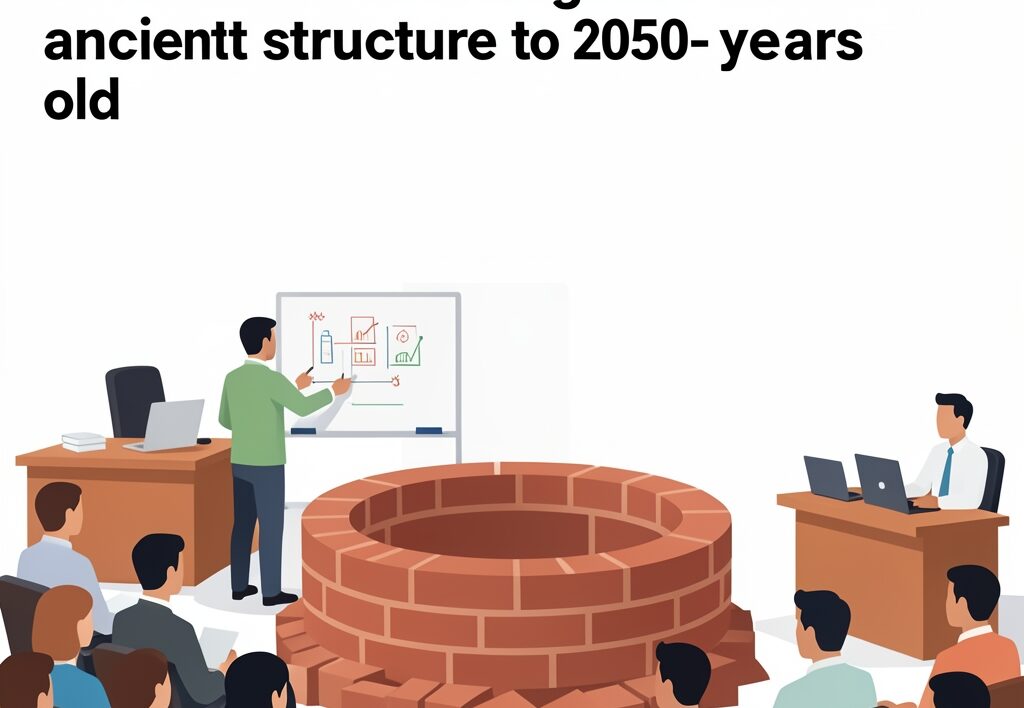
A team of state archaeology experts dispatched from Lucknow has completed a preliminary inspection of the Saharanpur mosque well uncovered during debris removal on the Saharanpur Collectorate premises on Sunday, September 6. Assistant archaeological officer Manoj Kumar Yadav led the team that descended into the 20-foot-deep and three-foot-wide structure on Monday to analyze its physical composition, material makeup, and structural integrity. Based on the distinctive building techniques observed at the site, officials estimate the underground fixture to be roughly two to two-and-a-half centuries old.
For residents across Uttar Pradesh following shifting urban developments, archaeological finds of this scale offer a tangible link to regional history. Similar architectural oversight frequently involves state capital experts tracking heritage preservation, mirroring administrative shifts seen when major policy documents like the UP State Capital Region Base Map Approved redefine municipal boundaries and regional planning. Discoveries unearthed during demolition or infrastructural changes often trigger deep historical inquiries across districts, much like how officials manage major civic transformations seen in CM Yogi Adityanath Ayodhya Visit: Honorarium Hikes and Temple Reviews Shape New Welfare Push.
Brickwork and Material Analysis Reveal Age
The primary indicators guiding the team from Lucknow involve traditional construction methods. Inspectors focused heavily on the use of Lakhori bricks and lime-surki mortar lining the circular walls. These materials serve as reliable chronological markers for historical structures across northern India, pointing directly toward the late Mughal or early British colonial era.
Urban excavation surprises often disrupt routine civic processes, pushing administrative machinery to balance modernization with heritage protection. Similar to how municipal crackdowns or rapid administrative shifts demand careful oversight—such as the recent actions detailed in Lucknow Cracks Down on Illegal Dairies in Para After Attack on Civic and Police Team; Nearly 200 Buffaloes Seized and the follow-up deployment noted in Heavy Police and PAC Deployment Clears Illegal Dairies in Lucknow Para; Nearly 200 Buffaloes Removed After Attack on Team—unexpected underground finds require immediate technical protocols to ensure safety and historical documentation. These events draw parallels to internal administrative accountability issues highlighted when Six Maharajganj Cops Suspended After Birthday Cake Video Goes Viral at Police Outpost.
Why It Matters
Unearthing an ancient water source on an administrative collectorate compound connects modern civic spaces with centuries-old urban habitation patterns. For readers keeping track of governance and historical preservation across the state, such discoveries highlight the fragile layer separating current municipal functions from deep historical archives. Whether analyzing urban sprawl through initiatives like the UP State Capital Region Base Map Approved or reviewing high-stakes administrative changes like Divya Mittal resignation: UP cadre IAS officer steps down after 13 years, understanding the state’s layered past remains vital to navigating its future. Such heritage updates also intersect with emergency response awareness seen when the Lucknow Trauma Centre Saves Six-Year-Old Boy in Rare Emergency Surgery.
- Discovered on September 6 during debris clearance on the Saharanpur Collectorate premises.
- Measured approximately 20 feet in depth and three feet in width.
- Examined by a specialized team from the Uttar Pradesh state archaeology department based in Lucknow.
Historical relics discovered during structural clearance underscore the importance of immediate expert intervention by state archaeological units to preserve local heritage.
As state agencies compile final reports on the Saharanpur site, the focus remains on documenting local water management practices from centuries past. Readers interested in broader regional developments can also track related infrastructure milestones, such as public transit expansions documented in Lucknow Metro Clocks 15 Crore Passenger Journeys in Nine Years, alongside civic updates regarding Uttar Pradesh Steps Up Flood Relief Operations, Nearly 20,000 Evacuated Across Multiple Districts and judicial actions like Kanpur Dehat Court Sentences Woman to Life Imprisonment Over ₹3 Change Dispute After 16 Years.