
Pandu river flood impacts thousands in Kanpur while Lucknow weighs 40,000 e-rickshaw crackdown
The Pandu river flood has disrupted lives across Kanpur and neighbouring Kanpur Dehat on September 7, 2026, leaving nearly 40,000 people stranded as rising waters submerge homes up to six feet deep. District authorities reported that five to seven feet of water had flooded local streets, forcing families to huddle under makeshift plastic sheets. Upstream water levels at the Kanpur Barrage climbed to 114.200 metres, inching past the 114-metre warning mark and threatening the danger threshold of 115 metres. While families in Kanpur battle nature’s fury, civic administrators in Lucknow are simultaneously grappling with a massive transport headache involving tens of thousands of urban transit vehicles.
Regional commuters and daily wage earners find their connectivity severed as the river overflows its banks. According to Kanpur District Magistrate Jitendra Pratap Singh, the downstream water level touched 113.930 metres with a discharge rate of 3,59,202 cusecs. This unfolding crisis mirrors broader infrastructure vulnerabilities across Uttar Pradesh, highlighting how quickly extreme weather can paralyze everyday life. Readers tracking regional connectivity issues can review our previous reporting on the Lucknow-Kanpur Expressway fresh soil erosion near Bandukheda, which underscores the recurring challenges facing transit routes between these two major urban centres. For broader perspective on how regional waterways impact daily life, residents often look toward seasonal patterns seen during events like the Prayagraj floods recede Ganga and Yamuna water levels drop or the municipal efforts noted when Gomti River Cleaning Set for Year-End Completion in Lucknow is discussed across local forums.
The looming e-rickshaw crisis in Lucknow
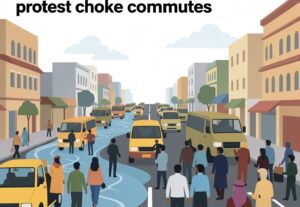
As Kanpur manages its inundation emergency, the transport department in Lucknow is setting its sights on another urban bottleneck. Officials are moving forward with plans to suspend the registration of nearly 40,000 e-rickshaws operating without valid fitness certificates or insurance. Pradeep Kumar, ARTO administration in Lucknow, noted that the lack of caps on e-rickshaw registrations has flooded city streets with unregulated vehicles. Owners will soon receive a six-month window to clear compliance backlogs. Vehicles that fail this audit face total de-registration, seizure, and eventual scrapping at authorized yards.
This impending crackdown intersects with wider municipal governance issues across the state. Past administrative investigations, such as the inquiry highlighted in our coverage of the Kanpur Municipal Bungalow Allotment to Peon Triggers SIT Probe and the fallout from the Kanpur Tender Row Shakes Up Municipal Contracting Across Uttar Pradesh, point to a growing institutional push for tighter oversight. Furthermore, transport office operations have drawn intense scrutiny, echoing the dramatic events detailed in the Kanpur RTO Raids: Drones and Bullet-Proof Cops Descend on Office as 22 Brokers Detained. Other public safety concerns, such as local criminal incidents investigated in the Kanpur domestic dispute shooting leaves family shattered as police hunt for suspects, the Kanpur Pharma Trader Murder Shocks Uttar Pradesh as Police Detain Two Suspects, the Prayagraj photographer murder: 3 arrested for killing friend over Rs 50,000 debt, and the Shooting coach arrest in Meerut links Uttar Pradesh to tragic Andhra river suicide case, remind residents of the complex law and order landscape underlying daily civic administration. Residents relying on battery-operated transit must prepare for sudden route disruptions if thousands of vehicles are pulled off the road.
Why it matters
Urban residents across Uttar Pradesh face a dual squeeze from natural disasters and tightening municipal regulations. When rivers breach their banks in industrial hubs, supply chains fracture and regional commerce slows to a crawl. Simultaneously, aggressive vehicle purges in state capitals test the limits of urban mobility for students and working-class commuters who depend on cheap, last-mile transit options. Infrastructure strain requires constant vigilance from civic bodies, whether managing seasonal floodwaters or enforcing safety standards on crowded streets.
- Kanpur district administration maintains active discharge monitoring at the barrage as water levels hover near critical thresholds.
- Lucknow transport officials plan to issue a strict six-month compliance window before seizing non-compliant e-rickshaws.
- Commuters should anticipate localized transport shortages and plan alternative routes across affected districts.
The convergence of rural river flooding and urban transit crackdowns demonstrates how quickly municipal stability can be tested across Uttar Pradesh.
Sources used for this report include official updates from the Hindustan Times Kanpur report and details on vehicle registration from the Hindustan Times Lucknow e-rickshaw report.