Agra station master assault: RPF staff suspended as Parliament steps in
Agra station master assault sparks accountability questions in Parliament
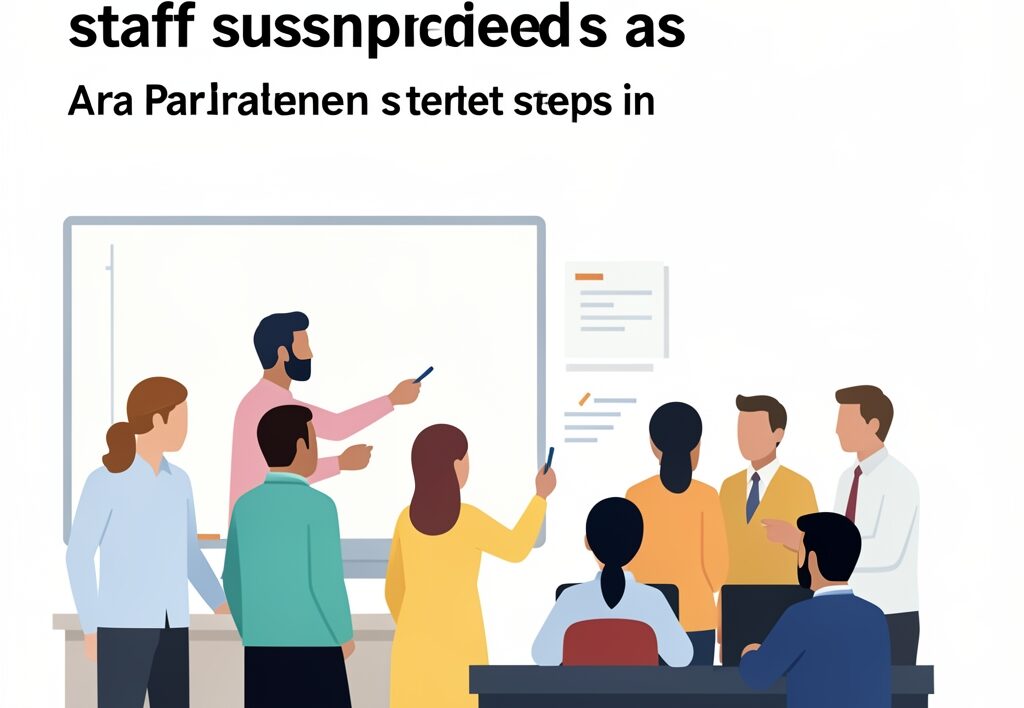
Railway Minister Ashwini Vaishnaw informed the Rajya Sabha on Friday that an inter-departmental enquiry committee has been constituted following the Agra station master assault at Agra Cantt Railway Station in July 2026. Responding to a query raised by Samajwadi Party MP Ramji Lal Suman in the Upper House, Vaishnaw confirmed that four Railway Protection Force (RPF) staff members were placed under suspension immediately after the altercation involving a railway employee.
The incident has drawn sharp attention across Uttar Pradesh, raising serious questions about inter-departmental coordination and basic professional respect among frontline government workers. When uniform-wearing security personnel clash violently with station operations staff, public trust takes an immediate hit. Everyday commuters depend on a seamless chain of command at busy transit hubs like Agra and Charbagh in Lucknow. Similar systemic tensions surface in other public sectors, such as the administrative friction addressed during the UP monsoon session or political debates following the Yogi Adityanath Agra speech targets ‘Saifai syndicate’ and museum plans.
Why it matters
For residents and travelers across Uttar Pradesh, railway stations serve as the vital arteries of daily movement. Safety and order rely entirely on cooperation between operating staff and security personnel. When institutional friction boils over into physical altercations, it exposes deep systemic cracks that stretch far beyond a single platform. Daily transit security should never be compromised by ego clashes or jurisdictional turf wars between departments.
- Four RPF personnel stationed at Agra Cantt faced immediate suspension following the July altercation.
- An inter-departmental joint enquiry committee is actively investigating the root causes of the clash.
- Parliamentary intervention highlights the heavy political and administrative weight of the incident.
Citizens keeping track of state developments often draw parallels to other accountability issues across departments. For instance, public safety and municipal oversight remain persistent challenges, whether residents are monitoring municipal sanitation priorities: why VIP routes get cleaned while local lanes wait or navigating urban mobility hurdles like Lucknow cycle tracks collapsing under disrepair and encroachments. Law enforcement agencies also face scrutiny during major state events, mirrored in security arrangements like those discussed when women Kanwariyas transform Sawan pilgrimage as UP administration expands safety measures.
Accountability must extend beyond transit networks. Similar administrative vigilance is required across all public institutions, whether authorities are tracking down criminal rings as seen when the UP STF busts illegal firearms racket in Meerut, recovering 21 pistols, investigating security breaches in state recruitment examinations like the case where an Agra man surrenders in Maharashtra TET paper leak, revealing printing press security flaws, or managing civil disputes such as the fallout after the Allahabad High Court bars four advocates following Lucknow district court assault.
Whether commuters are navigating local transit or watching state headlines unfold, professional decorum among public servants remains a non-negotiable expectation. Public scrutiny will stay high as the joint inquiry moves toward its findings. Administrative reform in railways depends heavily on ensuring frontline personnel operate with mutual respect rather than hostility.